Key Takeaways
- •Nanoplastics boost biofilm thickness and resilience
- •Prophage activation increases viral particles within biofilms
- •Bacteria deploy CRISPR defenses against activated prophages
- •Strengthened biofilms resist standard disinfectants in water systems
- •Particle size influences nanoplastic impact on microbial dynamics
Pulse Analysis
Nanoplastics, the smallest fraction of plastic debris, are increasingly detected in municipal water supplies, wastewater effluents, and natural reservoirs. Their sub‑micron dimensions allow them to infiltrate filtration media and interact directly with microbial communities. While the toxicological effects of ingesting nanoplastics have drawn headlines, their role as a catalyst for microbial evolution is only now emerging, prompting water utilities and regulators to reassess risk models that traditionally focus on chemical contaminants alone.
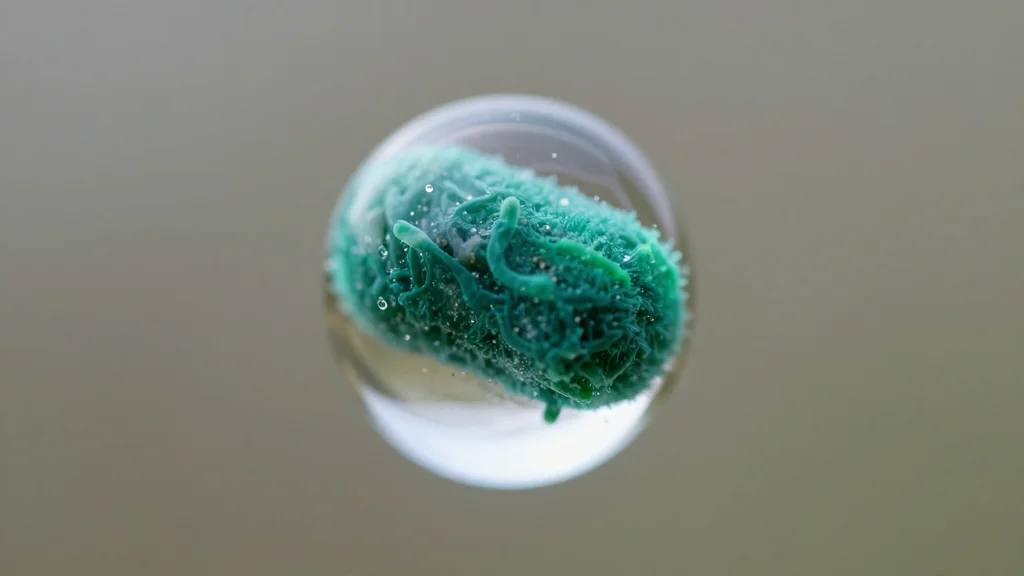
The Virginia Tech study reveals a cascade of microbial responses when nanoplastics embed within biofilms. By stimulating quorum‑sensing pathways, the particles encourage bacteria such as E. coli and Pseudomonas aeruginosa to secrete extracellular polymeric substances, thickening the biofilm matrix. Simultaneously, integrated prophages are activated, releasing viral particles that reshape community dynamics. Bacteria counteract this viral onslaught with CRISPR‑based immunity, creating a resilient, multi‑layered defense that markedly reduces the efficacy of chlorine, ozone, and UV disinfection. For water‑treatment operators, these findings signal a potential rise in maintenance costs and a need for advanced monitoring technologies capable of detecting nanoplastic concentrations and associated biofilm changes.
Beyond immediate operational challenges, the research underscores broader public‑health implications. Enhanced biofilms can harbor antimicrobial‑resistant strains, increasing the likelihood of pathogen transmission through drinking water. Policymakers may need to incorporate nanoplastic thresholds into water‑quality standards, while manufacturers are urged to develop greener polymers with reduced fragmentation potential. Continued interdisciplinary research—combining environmental engineering, microbiology, and materials science—is essential to devise mitigation strategies that safeguard both infrastructure and consumer health.
The hidden dangers of nanoplastics
Comments
Want to join the conversation?