Light-Based 3D Printing Method Lets Scientists Program Plastic Properties at the Microscale
Key Takeaways
- •Light intensity controls thermoplastic crystallinity during printing.
- •Spatial property gradients achieved without changing base material.
- •Software converts CAD to light patterns in seconds.
- •Enables recyclable, multi‑function parts for soft robotics and damping.
Pulse Analysis
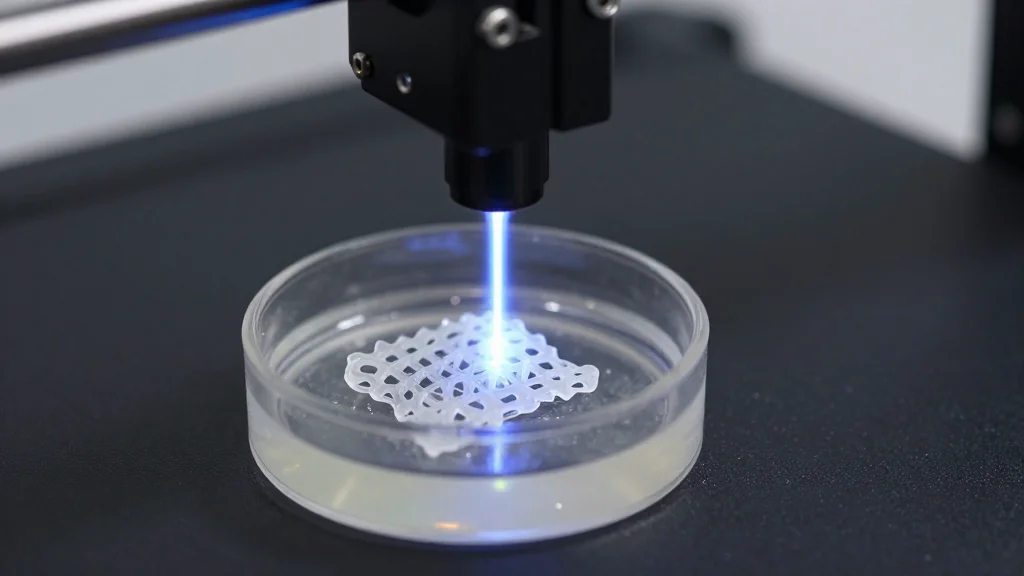
The CRAFT process leverages light‑activated polymerization to steer the stereochemistry of growing polymer chains, producing either highly ordered crystalline regions or amorphous, flexible zones. This level of molecular control, traditionally reserved for post‑processing or multi‑material assemblies, is now embedded directly in the printing step, offering unprecedented precision in mechanical and optical properties while using a single thermoplastic feedstock.
A critical enabler of CRAFT’s practicality is the newly developed software that translates complex CAD geometries into grayscale exposure maps in seconds. Built on high‑performance computing resources, the workflow parallelizes pattern generation, shrinking turnaround from days to real‑time. This rapid instruction generation not only accelerates prototyping but also opens the door to integrating topology optimization directly into the light‑pattern design, allowing engineers to target performance metrics rather than material placement.
Industry implications are immediate. Soft‑robotic actuators, aerospace components requiring tailored vibration damping, and recyclable consumer goods can now be fabricated with built‑in property gradients, eliminating the need for assembly of disparate parts. By keeping the process material‑agnostic and recyclable, CRAFT aligns with circular‑economy goals while reducing inventory and tooling costs. As the technology matures, its adoption could reshape additive manufacturing supply chains, driving a shift toward single‑material, functionally graded production across multiple sectors.
Light-based 3D printing method lets scientists program plastic properties at the microscale
Comments
Want to join the conversation?