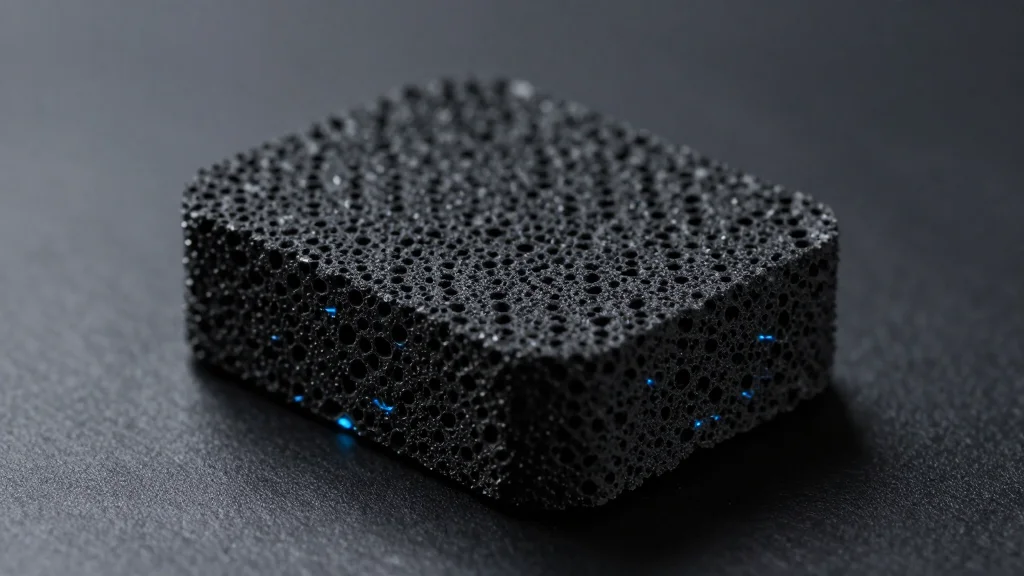
Cigarette Butts Could Power the Next Generation of Energy Storage
Key Takeaways
- •Cigarette butts converted to nanoporous carbon electrodes
- •Surface area reached 2,133.5 m² g⁻¹
- •Specific capacitance 345 F g⁻¹, 95% retention after 10k cycles
- •Energy density 24.3 Wh kg⁻¹ exceeds many biochar electrodes
- •Scalable hydrothermal carbonization and KOH activation method
Pulse Analysis
The world discards millions of tons of cigarette butts each year, creating a persistent source of toxic leachate in soils and waterways. Turning this litter into a value‑added material aligns with the growing circular‑economy agenda that seeks to monetize waste streams. Recent advances in biomass‑derived carbons have shown that low‑cost precursors can replace petroleum‑based activated carbons in energy‑storage devices. By applying a waste‑to‑resource mindset to cigarette filters—largely composed of cellulose acetate—researchers open a new pathway for sustainable material sourcing while simultaneously mitigating environmental contamination.
The Henan University team employed a two‑step route: hydrothermal carbonization to generate a nitrogen‑rich carbon scaffold, followed by potassium hydroxide activation that tailors pore size and surface chemistry. This combination yields a hierarchical nanoporous network with a specific surface area exceeding 2,100 m² g⁻¹ and a balanced 1–3 nm pore distribution, ideal for rapid ion transport. Electrochemical tests recorded a specific capacitance of roughly 345 F g⁻¹ and retained 95 % of that value after 10,000 charge‑discharge cycles, delivering an energy density of 24 Wh kg⁻¹—metrics that rival or surpass many commercial activated carbons and some bio‑derived alternatives.
From a commercial perspective, such performance positions butt‑derived supercapacitors for high‑power niches like grid‑frequency regulation, regenerative braking in electric vehicles, and fast‑charging portable electronics. The low‑cost, abundant feedstock could reduce material expenses and lessen reliance on mined carbon sources, supporting greener supply chains. However, scaling the process will require robust collection systems, safe handling of nicotine residues, and consistent activation parameters. Continued research into life‑cycle assessment and integration with existing supercapacitor manufacturing lines will determine whether this innovative approach can transition from laboratory proof‑of‑concept to a viable component of the next generation of energy‑storage markets.
Cigarette butts could power the next generation of energy storage
Comments
Want to join the conversation?