Key Takeaways
- •Counter‑rotating vortices dry nanocellulose at Mach 3.
- •Energy use drops versus freeze‑ and spray‑drying.
- •Process prevents fiber aggregation, improves powder quality.
- •Scalable from grams to kilograms of powder daily.
- •Supports biodegradable plastics for packaging, construction, automotive.
Pulse Analysis
Cellulose nanofibers have emerged as a high‑performance, renewable material capable of matching or exceeding the mechanical properties of many synthetic polymers. Extracted from plant biomass, these fibers form a network of ultra‑thin strands that bond without adhesives, enabling applications ranging from ultra‑lightweight composites to biodegradable packaging. Despite their promise, commercial uptake has been hampered by the costly and energy‑intensive drying steps required to convert the water‑rich slurry into a transportable powder. Traditional freeze‑drying delivers quality but is batch‑limited, while spray‑drying scales poorly and induces fiber clumping, inflating production costs.
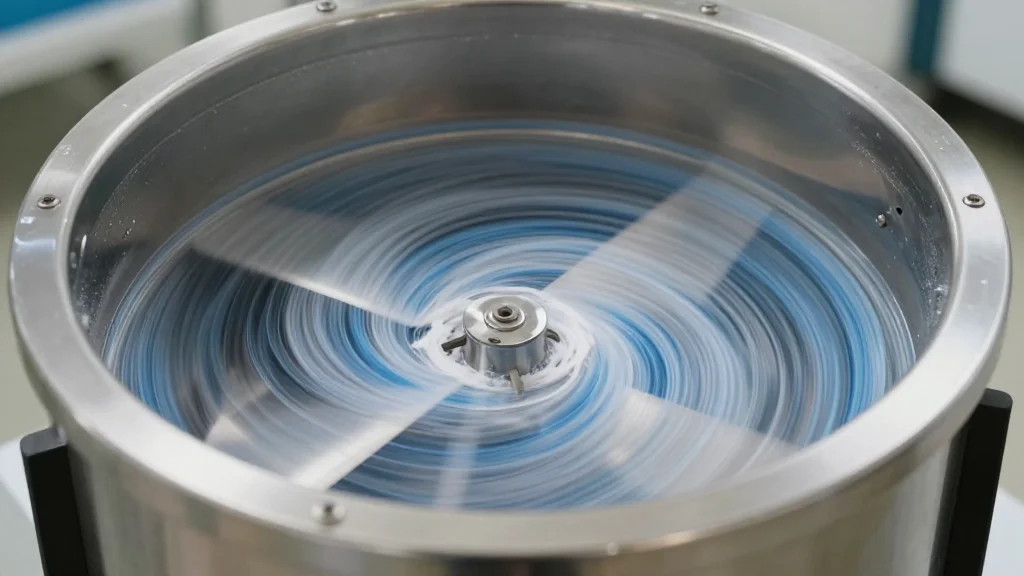
The new vortex drying platform, developed by the University of Maine and Oak Ridge National Laboratory, tackles these bottlenecks by injecting the slurry into twin, counter‑rotating air streams accelerated to Mach 3. The resulting shear forces tear droplets apart and evaporate water within milliseconds, preserving the individual nanofibers and preventing irreversible aggregation. High‑performance computing simulations validated the flow dynamics, revealing how the tornado‑like vortices generate uniform shear across the spray. Compared with freeze‑drying, the process cuts energy demand by an estimated 40‑50 % and boosts yield, delivering a finer, more consistent powder.
With a scalable design that can move from gram‑scale laboratory runs to kilogram‑per‑day production, the technology clears a critical hurdle for the nanocellulose supply chain. Lower shipping costs for dry powder and the ability to rehydrate on demand make the material attractive to packaging, construction, marine and automotive sectors seeking carbon‑neutral alternatives. Backed by DOE’s Advanced Materials and Manufacturing Technologies Office, the SM2ART program aims to commercialize the process within the next few years, potentially reshaping markets that currently rely on fossil‑based plastics and reinforcing the United States’ leadership in sustainable materials manufacturing.
Mini tornadoes spin out dried cellulose nanofibers
Comments
Want to join the conversation?