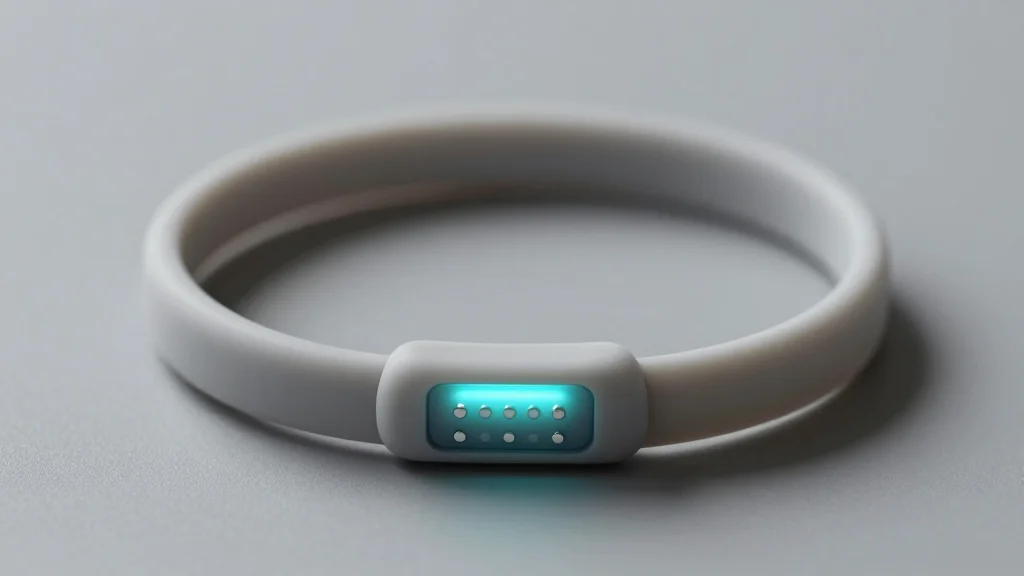
Printable Enzyme Ink Powers Next-Generation Wearable Biosensors
Key Takeaways
- •Enzyme ink enables single-step screen printing of EBFC electrodes
- •Printed lactate biofuel cell reaches 165 µW cm⁻² power
- •Roll-to-roll printing demonstrated over 400 m substrate
- •Device cost projected at ~10 yen per unit
- •Self‑powered sensors can drive BLE transmission without batteries
Pulse Analysis
The rapid growth of wearable health monitors has been constrained by the need for external batteries, which add bulk and limit device lifespan. Enzymatic biofuel cells (EBFCs) convert metabolites such as lactate or glucose in sweat directly into electricity, offering a theoretically endless power source. However, traditional EBFC fabrication involves multiple manual steps—printing a carbon layer, drip‑casting enzyme solutions, and drying—resulting in high variability and prohibitive costs for large‑scale production. Overcoming these hurdles is essential for bringing truly autonomous sensors to market.
The Tokyo University of Science team addressed the bottleneck by formulating a water‑based enzyme ink that blends mesoporous carbon, magnesium‑oxide templates, chemical mediators, and a novel binder called POLYSOL into a single printable paste. Screen‑printing this ink onto paper substrates creates both anode and cathode layers in one pass, preserving enzyme activity and delivering a stable electrochemical response. In laboratory tests the lactate/oxygen cell generated 165 µW cm⁻² at 0.63 V—almost double the power of previous drop‑cast designs—and maintained activity over extended periods, enough to power Bluetooth Low Energy transmission.
Beyond performance, the ink’s compatibility with roll‑to‑roll screen printing was demonstrated on 400 m of substrate, projecting a unit cost near 10 yen and opening the door to disposable, large‑volume production. Such low‑cost, self‑powered patches could transform sports training by delivering real‑time lactate feedback, enable continuous metabolic monitoring for elderly care, and support safety systems that detect heat‑stroke early. As printing firms and medical device makers explore integration, the technology is poised to reach commercial readiness around 2030, potentially redefining the economics of wearable biosensing.
Printable enzyme ink powers next-generation wearable biosensors
Comments
Want to join the conversation?