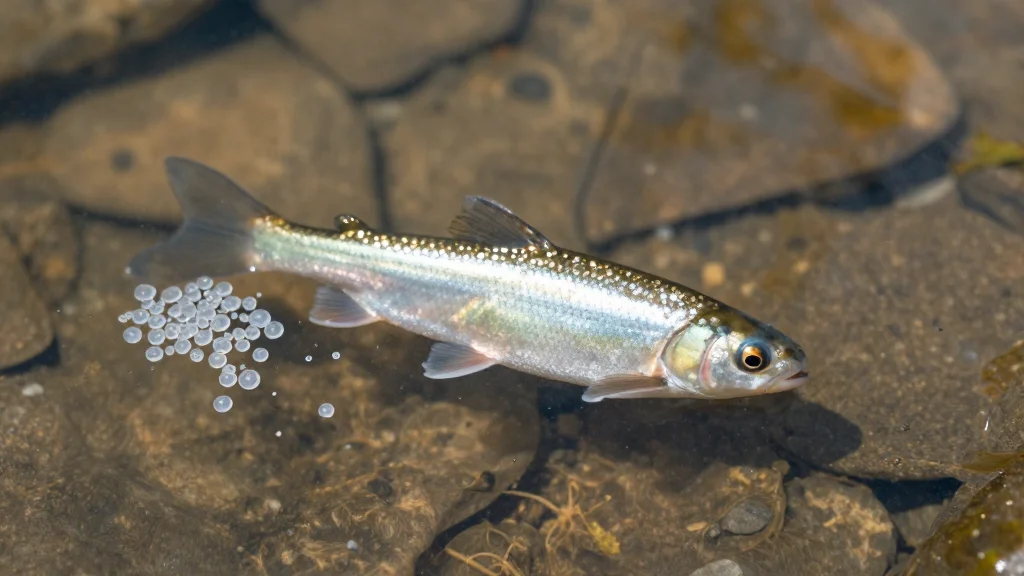
Polystyrene Nanoparticles Can Increase Fish Embryo Early Mortality Especially in a Stressful Environment
Key Takeaways
- •Positive charge nanoparticles raise whitefish embryo death under stress.
- •Negative charge particles show minimal toxicity in same tests.
- •Lab tests may underestimate nanoplastic risks in variable environments.
- •Electrostatic attraction drives higher cellular uptake of positive particles.
- •Findings call for multi‑stressor ecotoxicology standards.
Pulse Analysis
Freshwater ecosystems are increasingly burdened by micro‑ and nanoplastic contamination, a by‑product of global plastic production and inadequate waste management. While macro‑plastic debris is visible, nanoparticles—often invisible to the naked eye—can infiltrate the water column, accumulate in sediments, and interact directly with aquatic organisms. Their tiny size and high surface‑area‑to‑volume ratio make them especially reactive, raising concerns among ecologists about subtle yet pervasive impacts on fish reproduction and early development.
The University of Eastern Finland’s recent investigation provides concrete evidence that particle surface charge dramatically influences toxicity. Positively charged polystyrene nanoparticles, which readily bind to the negatively charged membranes of fish embryos, caused a marked rise in early mortality when embryos faced fluctuating oxygen levels and turbulence. In contrast, negatively charged particles were largely repelled, resulting in negligible effects. Notably, sperm motility remained unchanged across all treatments, suggesting that the embryonic stage is particularly vulnerable under environmental stressors.
These insights have immediate implications for environmental risk assessment and policy. Traditional laboratory protocols, which often rely on stable, optimal conditions, may overlook worst‑case scenarios that occur in natural water bodies. Regulators and industry stakeholders should therefore integrate multi‑stress testing—combining nanoplastic exposure with variables like temperature, oxygen, and flow dynamics—into safety guidelines. Further research into molecular pathways and long‑term population effects will be essential to develop robust mitigation strategies and protect freshwater biodiversity.
Polystyrene nanoparticles can increase fish embryo early mortality especially in a stressful environment
Comments
Want to join the conversation?