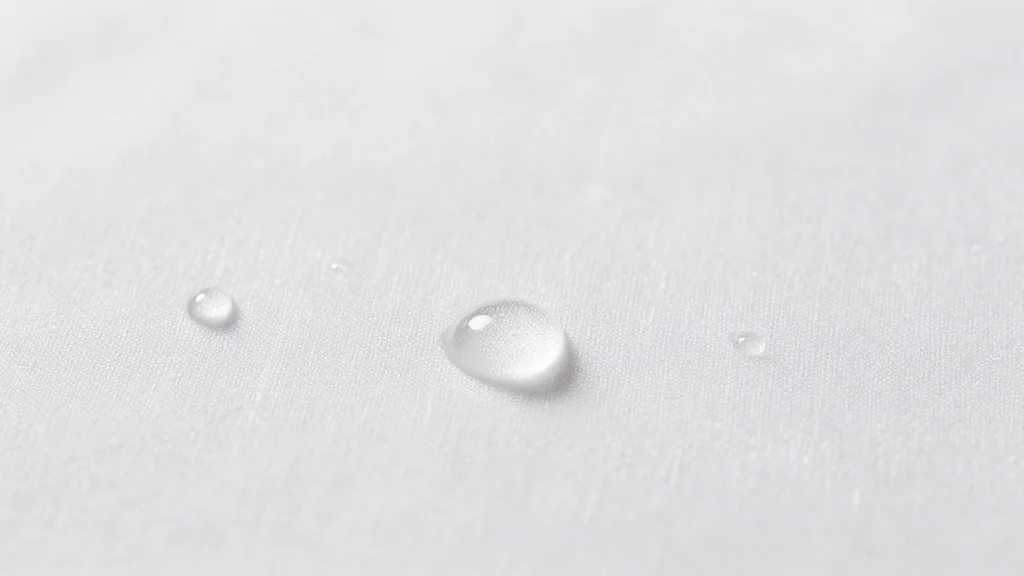
Spray-On Fabric Coating Lightens the Environmental Load From Laundry
Key Takeaways
- •Coating enables water‑only cleaning, cutting detergent use.
- •Water, energy, and time drop >80% per load.
- •Works on cotton, polyester, silk, removing oil, soy stains.
- •Cuts microplastic release from synthetic fabrics.
- •Cost recouped after 15‑50 washes despite higher upfront price.
Pulse Analysis
Laundry accounts for a sizable share of household water and energy consumption, and traditional detergents contribute to chemical runoff and microplastic pollution. As sustainability pressures mount, manufacturers and consumers alike are seeking alternatives that address both resource use and environmental contamination. The new spray‑on coating enters this landscape as a chemical‑engineered solution that replaces surfactants with a hydrophilic polymer matrix, fundamentally altering how stains interact with fabric surfaces.
The coating’s mechanism relies on alternating layers of PDADMAC and poly(vinylsulfonic acid), creating a dense network of sulfonate groups that bind water molecules and form a protective barrier. This barrier prevents common stains—from oil to soy sauce—from adhering, allowing a simple water rinse to achieve cleaning results comparable to detergent cycles. Independent testing confirmed equal or superior stain removal on cotton, polyester, and silk, alongside antibacterial and antifungal benefits. Durability trials demonstrated stability after sunlight exposure, repeated wear, and over 100 wash cycles, while also showing a measurable reduction in synthetic fiber microplastic shedding.
If integrated during garment production, the coating could become a standard feature of next‑generation apparel, shifting the laundry market away from consumable detergents toward a one‑time fabric treatment. While the initial material cost exceeds that of conventional detergents, lifecycle analyses suggest a break‑even point after 15 to 50 washes, depending on detergent prices. This cost structure, combined with the projected 80% reduction in water and energy use, positions the technology as a compelling proposition for manufacturers aiming to meet ESG goals and for consumers seeking greener household routines.
Spray-on fabric coating lightens the environmental load from laundry
Comments
Want to join the conversation?