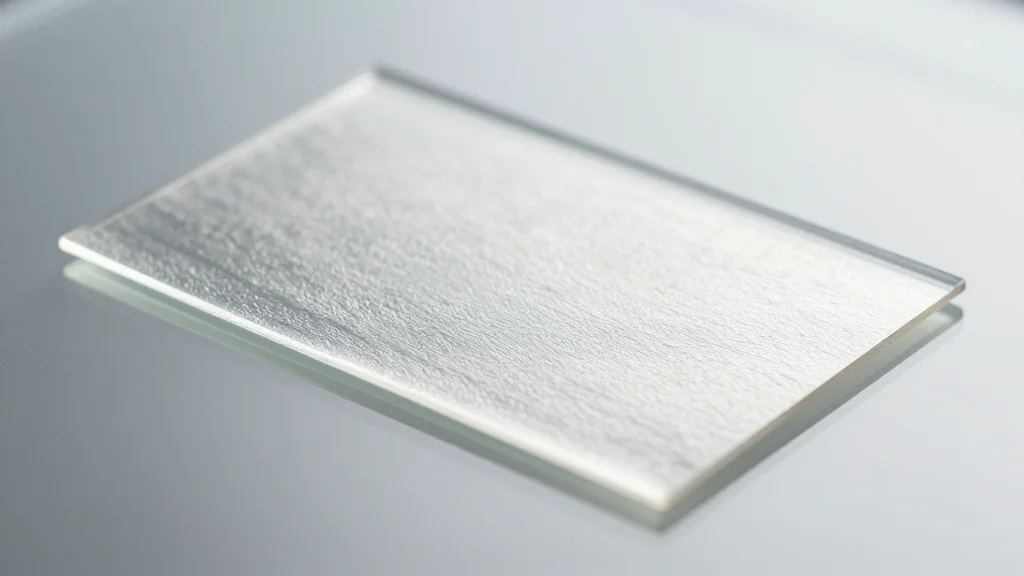
New Design Guidelines for Atom-Thin Oxide Transistors Enable Reliable 3D Chip Integration
Key Takeaways
- •Unified model links thickness, traps, interfaces, roughness.
- •Tungsten-doped indium oxide reduces leakage and improves mobility.
- •Model predicts off‑state leakage and threshold shifts for 2‑nm channels.
- •Enables low‑temperature (<400 °C) back‑end‑of‑line transistor design.
- •Supports reliable 3D chip stacking without damaging underlying layers.
Pulse Analysis
Three‑dimensional chip stacking promises dramatic gains in performance and density, but it also forces semiconductor manufacturers to place active devices atop already‑fabricated circuitry. Conventional silicon transistors require high‑temperature processing that can damage underlying layers, prompting a shift toward low‑temperature oxide semiconductors. However, when these oxides are thinned to just a few nanometers, their electrical behavior becomes highly sensitive to defects, interface states, and surface roughness, creating a design bottleneck for back‑end‑of‑line integration.
The new unified framework addresses this bottleneck by marrying several transport mechanisms—band conduction, trap‑assisted hopping, defect‑mediated interface currents, and roughness‑induced mobility loss—into a single analytical model. By fitting measured I‑V curves from 2‑nm to 13‑nm indium‑oxide channels, the researchers extracted quantitative trap densities and energy spreads, directly correlating these parameters with off‑state leakage, subthreshold swing, and threshold voltage drift. Tungsten doping emerged as a key lever, simultaneously lowering unwanted carrier concentration and smoothing the dielectric interface, which preserves mobility even at the thinnest dimensions.
For the semiconductor industry, the significance is twofold. First, the model transforms empirical characterization into a predictive design tool, allowing engineers to balance thickness, doping level, and interface quality before committing to costly fabrication runs. Second, it validates a pathway for low‑temperature (<400 °C) transistor stacks that meet stringent leakage and stability targets, a prerequisite for reliable 3D heterogeneous integration. As chipmakers race to adopt heterogeneous integration and advanced packaging, such physics‑based design methodologies will become essential for shortening time‑to‑market and reducing development costs.
New design guidelines for atom-thin oxide transistors enable reliable 3D chip integration
Comments
Want to join the conversation?