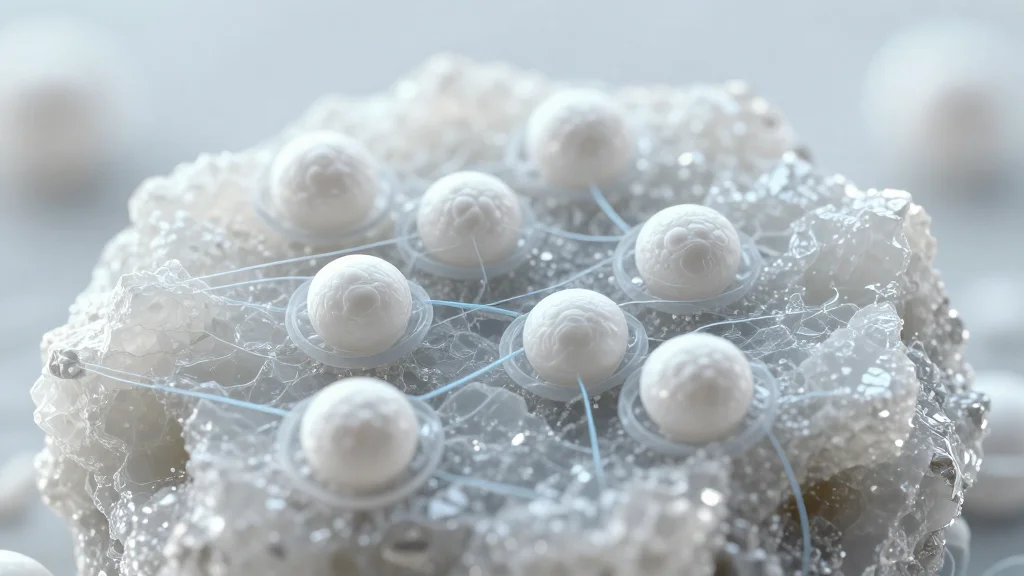
Tumor-Inspired Microparticles Reprogram Fat Cells and Improve Insulin Sensitivity
Key Takeaways
- •Mineralized silica particles replicate cancer cell surface roughness, no biological material
- •Rough-topology substrates cause adipocyte dedifferentiation, six‑fold glucose uptake increase
- •Injectable TMMs shrink local fat pads and improve insulin sensitivity
- •Effect driven by nuclear deformation activating Wnt and Hippo pathways
- •No systemic toxicity detected; weight loss not achieved after eight weeks
Pulse Analysis
The study leverages a long‑standing observation that tumors remodel surrounding tissue through physical pressure, but it isolates the topographical component that has been difficult to study in isolation. By biomineralizing whole cancer cells and calcining them at 600 °C, the researchers produced inert silica replicas that preserve nanoscale ridges and valleys unique to aggressive phenotypes. This approach sidesteps the confounding biochemical signals of a living tumor, allowing a clean interrogation of how surface roughness alone can dictate cell fate. The concept aligns with a growing field of mechanobiology that seeks to harness physical cues for tissue engineering and metabolic modulation.
In vitro, primary mouse adipocytes seeded on high‑roughness particles rapidly dedifferentiate, adopting mesenchymal stem‑cell markers and boosting glucose transport capacity roughly six‑fold. Single‑cell RNA sequencing traced a continuum from mature adipocytes to stem‑like intermediates, while live‑cell imaging revealed pronounced nuclear reshaping and altered lamin distribution. These nuclear deformations accelerate import of mechanosensitive transcription factors, turning on Wnt and Hippo pathways that suppress lipid‑storage genes and promote a more plastic phenotype. In vivo, subcutaneous injection of the tumor‑mimicking microparticles (TMMs) in obese mice reduced local fat pad volume and enhanced insulin‑stimulated glucose clearance, without provoking an immune response or organ toxicity. However, the intervention did not translate into whole‑body weight loss or improved oral glucose tolerance, underscoring the limitation of targeting only peripheral adipose tissue.
The implications extend beyond obesity treatment. By converting a destructive tumor characteristic into a therapeutic design parameter, the work suggests a platform for localized, mechanically driven reprogramming of various tissues. Future research will need to address scalability, depot‑specific efficacy, and translation to larger mammals, as well as combine mechanical cues with metabolic or hormonal adjuncts to achieve systemic benefits. If these hurdles are overcome, tumor‑inspired topography could become a cornerstone of next‑generation regenerative and metabolic medicine.
Tumor-inspired microparticles reprogram fat cells and improve insulin sensitivity
Comments
Want to join the conversation?