The Nanoscale Engineering Behind China's Grip on the Green Energy Value Chain
Key Takeaways
- •China processes ~90% of rare‑earths and 70% of lithium to battery grade
- •Nano‑engineered LFP cathodes give China >90% share of grid‑scale batteries
- •TOPCon nanolayers let China dominate 80% of solar‑panel production
- •China holds 44% of global solid‑state battery patents (6,312)
- •Europe/US target catalysts, recycling, and solid‑state tech to break lock‑in
Pulse Analysis
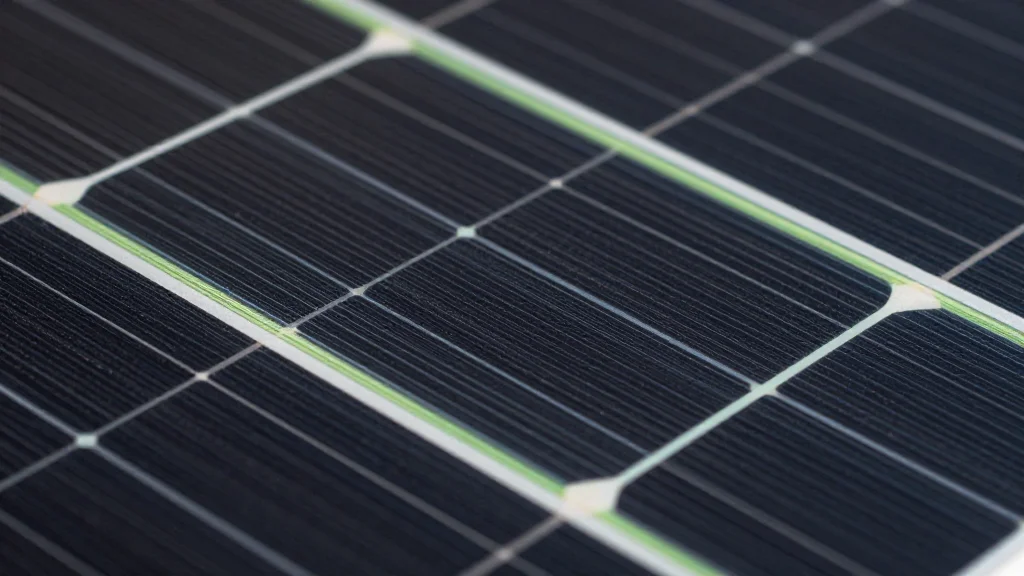
China’s green‑energy supremacy is rooted in nanotechnology that reshapes raw materials into high‑performance components. In solar manufacturing, nanometer‑scale pyramids and a 70‑80 nm anti‑reflective coating boost light capture, while a 1‑2 nm tunnel‑oxide in TOPCon cells improves electron flow. For lithium‑iron‑phosphate batteries, a 2‑5 nm carbon shell and 100 nm particle size dramatically increase conductivity, turning a cheap but sluggish material into the world’s leading grid‑storage chemistry. Mastery of particle‑size control and surface chemistry also lets China process 90% of rare‑earths and 70% of lithium into battery‑grade form, locking in supply‑chain advantages.
The strategic implications ripple through global energy markets. Export controls on LFP technology and China’s near‑monopoly in rare‑earth processing raise cost and security concerns for Western manufacturers. While Japan and South Korea lead in solid‑state battery patents, China’s rapid surge to 6,312 patents—44% of the global total—signals a potential shift in that emerging segment. Meanwhile, Europe’s push for hydrogen electrolyzers and direct‑cathode recycling offers narrow windows where non‑Chinese firms can compete, but success hinges on comparable nano‑catalyst and recycling breakthroughs.
Policymakers and industry leaders must treat nanotech capability as a core component of energy independence. Sustained investment in nano‑materials research, public‑private partnerships, and talent pipelines can narrow the gap, especially in solid‑state batteries, advanced catalysts, and recycling processes that bypass existing Chinese supply chains. Coordinated standards and incentives for domestic nano‑manufacturing will not only diversify sources but also drive innovation, ensuring that the transition to renewables is resilient against the current nanotech‑driven monopoly.
The nanoscale engineering behind China's grip on the green energy value chain
Comments
Want to join the conversation?