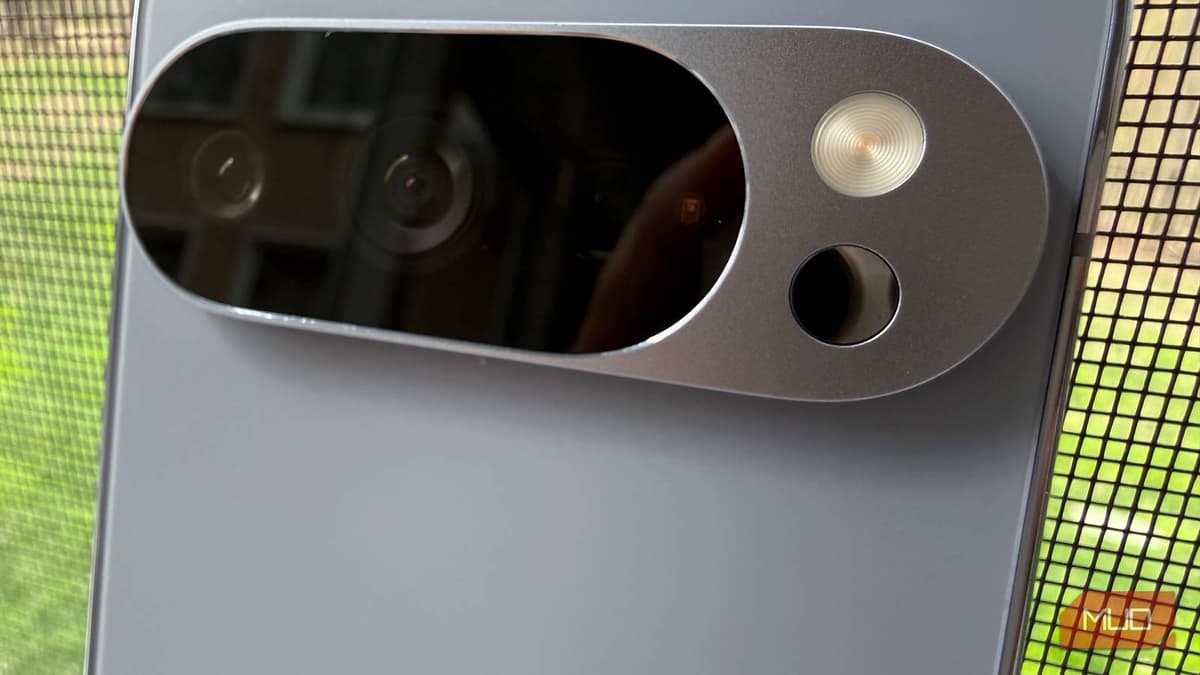
Most Pixel Owners Are Ignoring One of the Phone’s Strangest Built-In Sensors
Companies Mentioned
Why It Matters
The FDA clearance legitimizes smartphones as health‑adjacent tools, expanding Google’s ecosystem and creating a new value proposition for premium devices. It also opens a market for sensor‑driven apps that can drive user engagement and hardware sales.
Key Takeaways
- •Pixel’s infrared sensor cleared by FDA for body temperature measurement.
- •Thermometer app lets users log readings for fevers, food, and home checks.
- •Sensor can spot 10‑20 °F air leaks, aiding energy‑efficiency audits.
- •Surface temperature checks help avoid burns and ensure proper cooking conditions.
- •Only Pixel 10 Pro includes sensor; regular Pixel models lack this feature.
Pulse Analysis
The FDA’s De Novo clearance of the Pixel’s infrared sensor marks a pivotal moment for consumer electronics, blurring the line between medical devices and everyday gadgets. By meeting a ±0.3 °C accuracy threshold against FDA‑cleared temporal‑artery thermometers, Google provides a credible alternative to traditional digital thermometers, especially for families juggling multiple devices. This regulatory endorsement not only boosts consumer confidence but also positions Google to capture a slice of the home‑health market, traditionally dominated by dedicated medical manufacturers.
Beyond health, the sensor’s versatility shines in practical household scenarios. Users can quickly assess surface temperatures of coffee, baby bottles, or cooking pans, preventing burns and optimizing culinary results. The same technology doubles as a budget thermal camera, revealing 10‑20 °F differentials that signal air leaks around windows, doors, and vents—insights that can drive energy‑efficiency upgrades and lower utility bills. By integrating these capabilities into a single device, the Pixel reduces the need for multiple specialized tools, delivering cost savings and convenience for tech‑savvy consumers.
The broader implication is a growing trend of embedding advanced sensors into flagship smartphones to differentiate premium models. As Google leverages the sensor to justify the Pixel 10 Pro’s higher price point, competitors may follow suit, spurring an arms race in mobile health and environmental monitoring features. This evolution could accelerate the development of third‑party apps that harness raw sensor data for niche use cases, further expanding the smartphone’s role as a multifunctional platform in both personal health and smart‑home ecosystems.
Most Pixel owners are ignoring one of the phone’s strangest built-in sensors
Comments
Want to join the conversation?
Loading comments...