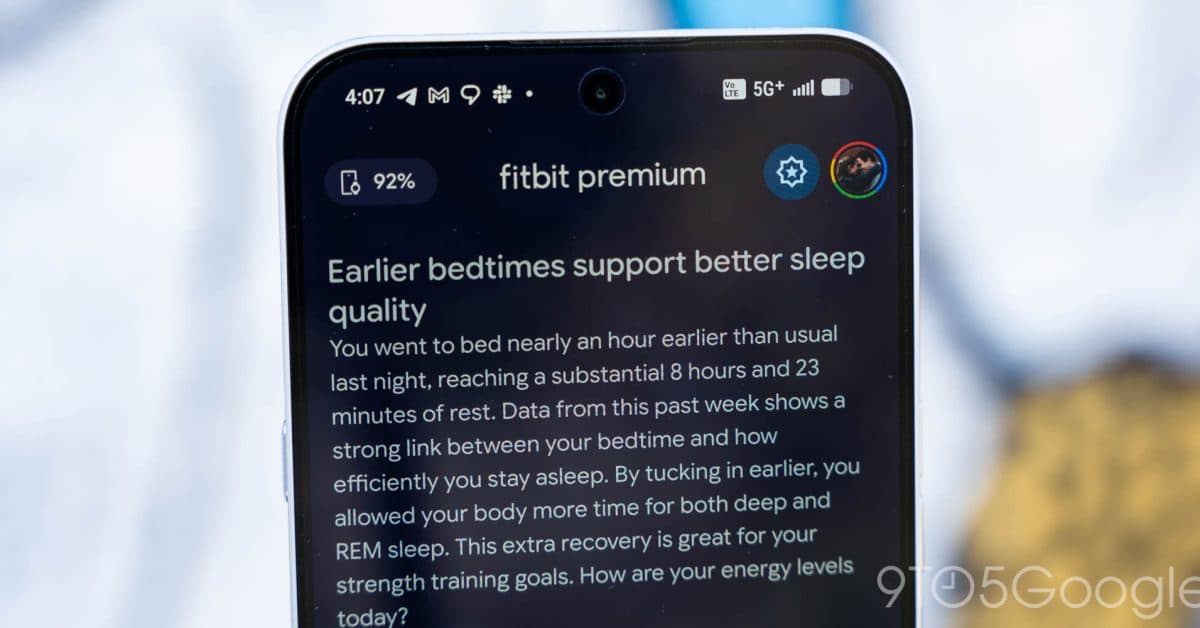
Fitbit Redesigns Sleep Score with Detailed Metrics, Actionable Tips
Companies Mentioned
Why It Matters
By exposing the components behind the Sleep Score, Fitbit empowers users to target specific sleep‑quality issues, enhancing the value of its premium subscription and strengthening its position in the competitive wearables market.
Key Takeaways
- •Six metrics now visible: duration, latency, sound sleep, restlessness, interruptions, awakenings
- •Personalized insights suggest concrete habit changes to improve sleep latency
- •Fitbit Premium adds coach guidance for interpreting score fluctuations
- •New algorithm unifies night into a continuous journey for more accurate scoring
Pulse Analysis
Fitbit’s revamped Sleep Score reflects a broader industry shift toward granular health analytics. Instead of a single number, the score now displays six distinct components—total sleep duration, time to sound sleep, sound sleep, restlessness, interruptions, and full awakenings—giving users a clearer picture of nightly performance. This transparency aligns with consumer demand for actionable data, allowing individuals to pinpoint the exact factor dragging down their rest, whether it’s prolonged latency or frequent micro‑movements. The redesign also integrates Fitbit’s proprietary algorithms that stitch the night into a continuous journey, promising a more accurate representation of sleep quality.
The upgrade is tightly coupled with Fitbit Premium, which now delivers targeted insights and a virtual coach to interpret score fluctuations. When a user’s latency spikes, the app suggests concrete habit changes such as reducing screen time or practicing guided breathing. This level of personalization not only boosts the perceived value of the subscription but also differentiates Fitbit from rivals like Apple Watch and Garmin, which still rely on broader sleep categories. By tying behavioral recommendations directly to metric trends, Fitbit positions itself as a proactive health partner rather than a passive tracker.
Beyond individual benefits, the detailed sleep metrics open new avenues for research and enterprise partnerships. Health insurers and corporate wellness programs can leverage anonymized data to identify population‑level sleep deficiencies, potentially informing policy incentives. Moreover, the richer dataset enhances Fitbit’s AI capabilities, paving the way for predictive alerts and integration with broader digital health ecosystems. As wearables become central to preventive health strategies, Fitbit’s deep‑dive into sleep analytics underscores the growing importance of precise, actionable insights in the consumer health tech landscape.
Fitbit redesigns Sleep Score with detailed metrics, actionable tips
Comments
Want to join the conversation?
Loading comments...