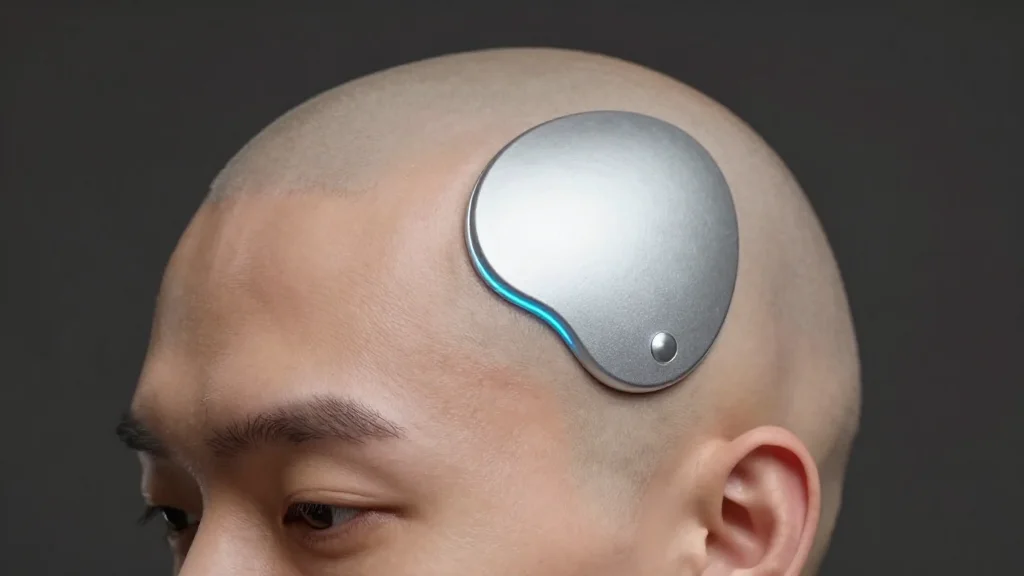
From Brain Implant to Lifelong Companion: Michel Maharbiz Unveils Epia Neuro
Why It Matters
A scalable, outpatient‑compatible brain‑computer interface could reshape post‑stroke care and create a durable, reimbursable revenue stream for the neurotech sector.
Key Takeaways
- •Epia Neuro exits stealth after three years, employing 45 staff
- •Skull‑mounted implant avoids dura penetration and targets outpatient use
- •Targets ~60,000 U.S. stroke patients annually for lifelong assistance
- •Business model centers on assistive function, not rehab outcomes
- •First‑in‑human trials 2026; FDA filing aimed for Feb 2027
Pulse Analysis
Epia Neuro’s public unveiling marks a pivotal moment for the brain‑computer interface (BCI) market, which has long wrestled with invasive procedures and limited commercial pathways. By engineering a skull‑mounted device that can be implanted in under an hour without breaching the dura mater, Epia sidesteps the high‑cost, specialized‑center model that has hampered earlier efforts. The outpatient‑compatible design not only reduces procedural expenses but also broadens hospital adoption, positioning the technology for rapid scale‑up once regulatory clearance is secured.
The company’s focus on post‑stroke upper‑limb impairment addresses a sizable, underserved segment: roughly 120,000 Americans enter the rehabilitation plateau each year, with about half eligible for an assistive solution. Epia’s approach—pairing the implant with a lightweight motorized glove and leveraging intent‑based decoding—offers a practical, daily‑use tool rather than a short‑term therapeutic. This assist‑first model simplifies reimbursement, as insurers can justify long‑term device coverage without the uncertainty of measuring incremental rehab gains, a hurdle that stalled many competitors.
Looking ahead, Epia’s roadmap extends beyond stroke to early detection of cognitive decline, capitalizing on continuous intent monitoring to flag subtle neural changes. If successful, the platform could evolve into a longitudinal neuro‑monitoring service, opening new revenue streams in preventive neurology. With first‑in‑human trials slated for 2026 and an FDA submission targeted for early 2027, investors and clinicians alike will watch closely to see whether Epia can translate its technical promise into a sustainable, market‑defining product.
From Brain Implant to Lifelong Companion: Michel Maharbiz Unveils Epia Neuro
Comments
Want to join the conversation?
Loading comments...