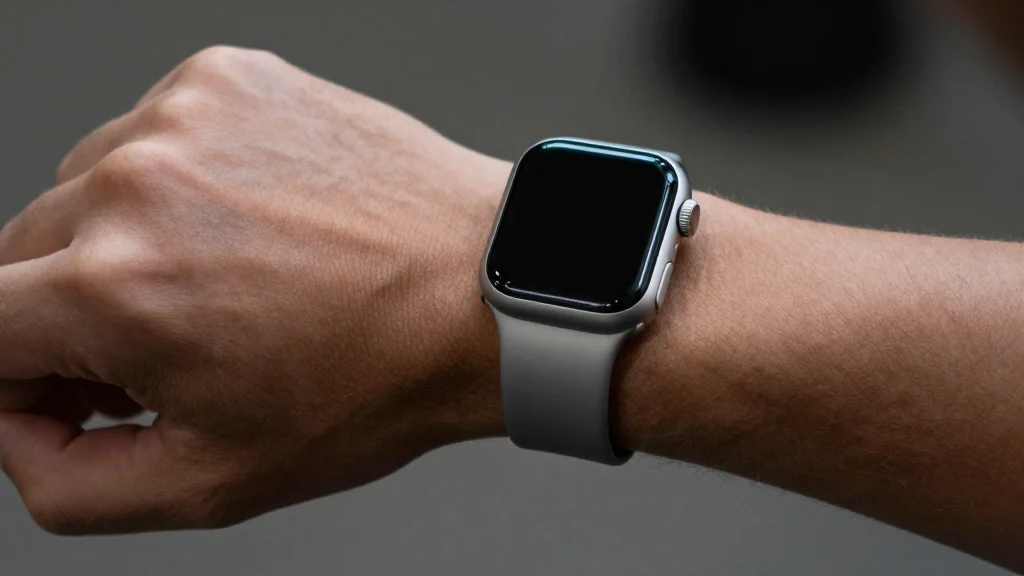
There's a Right Way to Wear Your Apple Watch - and It Affects Your Data
Companies Mentioned
Why It Matters
Accurate biometric data underpins effective fitness coaching, chronic‑disease monitoring, and the broader credibility of wearable health tech. Mis‑readings from a loose band can mislead users and skew aggregated health analytics.
Key Takeaways
- •Tight band reduces ambient light interference, improving heart‑rate accuracy
- •Apple advises wearing watch just above wrist bone for stable fit
- •Loosen band for daily wear, tighten during workouts for best data
- •Optical sensor uses green light to detect blood flow changes
- •Incorrect fit can cause misleading health metrics and poor fitness insights
Pulse Analysis
The wearable market has surged past $70 billion, with the Apple Watch commanding a sizable share thanks to its seamless integration of health sensors and consumer apps. While manufacturers pour resources into advanced photoplethysmography (PPG) chips, the data these sensors capture is only as good as the physical connection to the skin. A loose strap lets external light leak into the sensor and creates micro‑movements that distort the optical signal, leading to heart‑rate spikes or drops that don’t reflect true physiology.
Apple’s own guidance highlights the importance of band tension: the device should sit just above the wrist bone, snug enough to stay in place during vigorous activity but comfortable for all‑day wear. The green LED and photodiode pair emit light that penetrates the skin; blood absorbs the green wavelengths, and the reflected light varies with each pulse. When the band is too slack, the sensor picks up ambient light and skin gaps, reducing the signal‑to‑noise ratio. Users can test fit by shaking their wrist palm‑up; any loss of contact signals the need for a tighter band.
For consumers, the payoff is clear—more reliable heart‑rate and calorie‑burn estimates translate into better training decisions and more trustworthy health records. For developers and clinicians, consistent data quality enhances the utility of aggregated datasets, supporting research and potential medical‑grade applications. As wearables evolve toward continuous glucose monitoring and blood‑pressure tracking, mastering simple ergonomics like band tightness will remain a foundational step in unlocking their full potential.
There's a right way to wear your Apple Watch - and it affects your data
Comments
Want to join the conversation?
Loading comments...