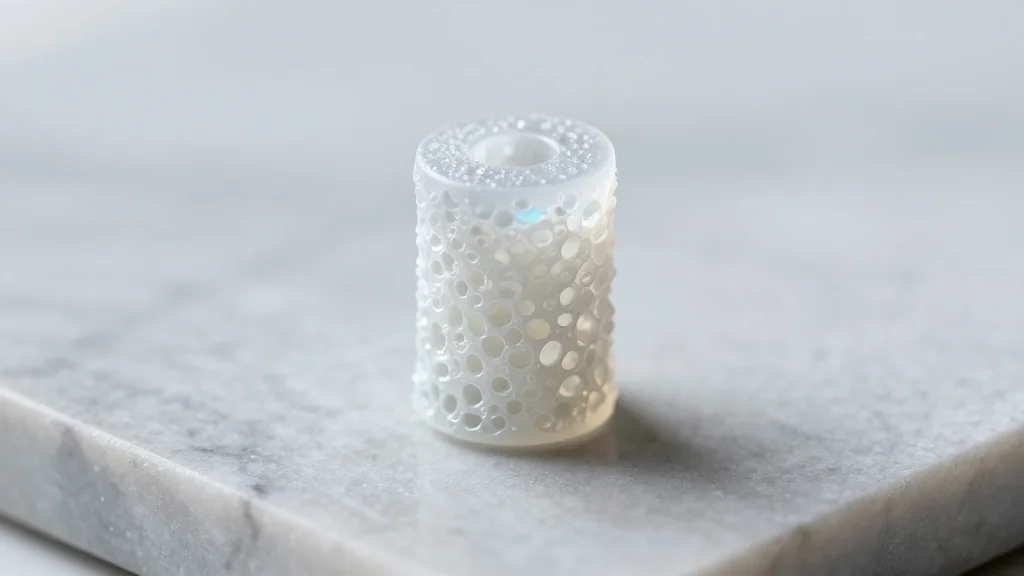
Georgetown Engineers Pectin-Based Bone Grafts to Replace Metal Implants
Why It Matters
Replacing metal implants with biocompatible, resorbable grafts could cut surgical complications and lower long‑term healthcare costs, accelerating the move toward personalized regenerative orthopedics.
Key Takeaways
- •Pectin-based grafts are printable at room temperature, avoiding high heat
- •Hydroxyapatite layers give mechanical strength comparable to natural bone
- •Porous design enhances nutrient flow and cell integration
- •Eliminates need for patient bone harvest or metal hardware
- •Industry shift toward biodegradable, personalized bone implants gains regulatory approvals
Pulse Analysis
The Georgetown team’s use of pectin—a naturally occurring, digestible polymer found in apples and citrus—addresses a key limitation of many synthetic bone substitutes: biocompatibility. When combined with hydroxyapatite, the primary mineral component of human bone, the composite achieves both the structural rigidity required for load‑bearing sites and a porous network that encourages vascularization. Printing at ambient temperatures also simplifies manufacturing, reducing energy consumption and expanding the range of feasible geometries for patient‑specific implants.
Regulatory momentum is already evident as companies like Belgium’s Cerhum and Chicago’s Dimension Inx secure EU and FDA clearances for 3D‑printed grafts that blend hydroxyapatite with biodegradable polymers. Georgetown’s pectin‑based platform could further differentiate itself by leveraging a food‑grade material that the body readily metabolizes, potentially lowering the risk of chronic inflammation associated with metal or non‑resorbable polymers. If clinical trials confirm comparable mechanical performance, hospitals may see cost savings from shorter operative times and fewer revision surgeries.
Looking ahead, the convergence of additive manufacturing, biomaterials science, and patient‑specific imaging promises a new era of personalized orthopedics. Researchers are exploring algorithms that integrate age, genetics, and bone density data to tailor graft composition and architecture on a per‑patient basis. While scaling production and navigating reimbursement pathways remain challenges, the growing pipeline of biodegradable bone scaffolds suggests that fully resorbable, custom‑fit implants could become a standard of care within the next decade.
Georgetown Engineers Pectin-Based Bone Grafts to Replace Metal Implants
Comments
Want to join the conversation?
Loading comments...