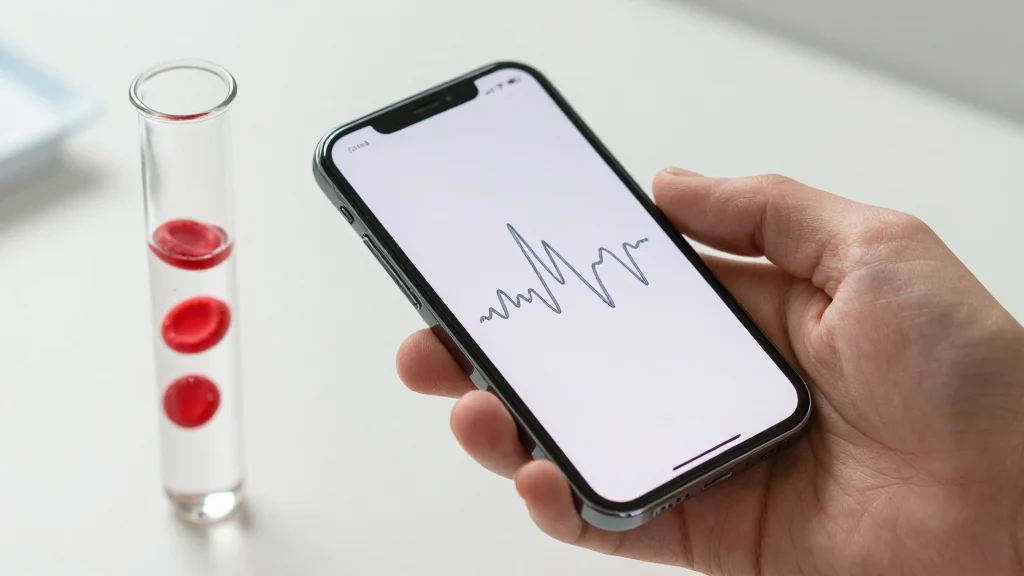
AI Lab Result Interpretation Gains Traction with Patients, but Raises Accuracy and Validation Concerns for Clinical Laboratories
Why It Matters
The surge in patient‑facing AI interpretation threatens diagnostic accuracy while exposing a regulatory vacuum, compelling clinical laboratories to adapt their reporting and quality controls to protect patient safety.
Key Takeaways
- •Patients use AI tools to interpret lab results before doctors
- •AI models lack clinical validation and standardized accuracy benchmarks
- •Misinterpretations risk unnecessary testing, delayed diagnoses, patient anxiety
- •Pricing ranges from free to $500 annually, reflecting market uncertainty
- •FDA oversight unclear; many AI tools not classified as medical devices
Pulse Analysis
The consumer appetite for instant health insights has accelerated the rise of AI platforms that decode complex lab reports into layperson language. Companies are capitalizing on this demand with freemium apps, monthly subscriptions, and bundled wellness packages that promise personalized recommendations. While the convenience factor appeals to digitally savvy patients, the market remains fragmented, with price points spanning from a few dollars per month to several hundred dollars for comprehensive biomarker tracking. This proliferation signals a shift toward patient‑driven data interpretation, forcing laboratories to anticipate a more engaged audience that expects transparent, understandable results.
Despite the allure, the technology underpinning these services is largely untested in clinical settings. Current AI algorithms are not benchmarked against validated diagnostic standards, and there is no industry‑wide framework to assess their accuracy at scale. Early reports indicate frequent misreads of biomarkers and inappropriate health suggestions, especially in complex cases. Such errors can trigger unnecessary follow‑up tests, delay critical interventions, and amplify patient anxiety. The lack of peer‑reviewed evidence and formal FDA clearance further erodes confidence, prompting clinicians to view AI as a supplemental educational tool rather than a diagnostic authority.
Regulatory ambiguity compounds the challenge, as many AI interpretation tools skirt medical‑device classification despite providing health advice. Pricing models—ranging from free basic explanations to $199 per test or $500 yearly subscriptions—do not correlate with proven clinical performance, creating uncertainty about value. For clinical laboratories, this landscape demands stronger patient communication, clearer reporting standards, and potentially integrating vetted AI solutions that complement, rather than replace, professional oversight. By establishing robust validation pathways and collaborating with regulators, labs can harness AI’s engagement benefits while safeguarding diagnostic integrity.
AI Lab Result Interpretation Gains Traction with Patients, but Raises Accuracy and Validation Concerns for Clinical Laboratories
Comments
Want to join the conversation?
Loading comments...