
Novari Referral System to Be Used Across Ontario
Novari Health, a VitalHub subsidiary, has secured a multi‑year agreement with Ontario to roll out its cloud‑based central intake and referral management platform across the province. The deployment is part of Ontario’s Patients Before Paperwork initiative, which aims to streamline referral triage, routing, and wait‑list management for services such as surgery, mental health, and imaging. Novari’s AI‑enabled suite, already used in Canada, Australia and the UK, integrates with HL7, FHIR and DICOM standards to connect with existing hospital information systems. The province expects the system to reduce wait times and improve patient access to care.

Bilingual Digital Innovation Supported at Montfort Hospital
Canada’s federal government has committed just over CAD 815,000 (≈ US $603,000) to expand the Montfort Innovation Lab at Institut du Savoir Montfort. The funding will enable up to 20 digital‑health companies to test and commercialize technologies with access to clinicians, research expertise,...

Vida Health Teams Up with ŌURA to Provide More Personalized Metabolic Care
Vida Health, a virtual cardiometabolic care provider, announced a partnership with wearable maker ŌURA to embed biometric data from the Oura Ring into its clinical programs. The integration gives care teams access to continuous sleep, heart‑rate variability and resting heart...

FDA Tightens Its Medical Device Cybersecurity Guidance for Manufacturers
The FDA has issued updated cybersecurity guidance for medical devices through Section 524B, imposing stricter lifecycle security requirements. Manufacturers must now provide a software bill of materials, manage component risks, and adopt secure development processes. The guidance forces hospitals, federal agencies...

Americans Ask AI for Health Care. Hospitals Think the Answer Is More Chatbots.
A growing share of Americans—one in three—are turning to large‑language‑model chatbots for medical advice, prompting health systems to launch their own branded AI assistants. Hartford HealthCare, in partnership with K Health, introduced PatientGPT, a two‑mode chatbot that integrates patient records and...

C-TRACT: Iliac Vein Stenting Results Look Good in Postthrombotic Syndrome
The C‑TRACT trial showed that adding iliac vein stenting to standard therapy markedly improves symptoms and quality of life for patients with post‑thrombotic syndrome after deep‑vein thrombosis. At six months, stented patients scored two points lower on the Venous Clinical...

Keeping EHRs Fast, Available, and Trusted: Observability Strategies for Modern Healthcare IT
Electronic Health Records (EHRs) are critical to clinical workflows but face growing pressure from hybrid IT environments and cloud migrations. SolarWinds VP Scott Pross outlined how end‑to‑end observability can proactively spot bottlenecks, cut mean time to resolution, and align network,...

Spok Announces Strategic Realignment and Prioritization Plan to Maintain Long-Term Profitability and Sustainable Growth
Spok Holdings announced a strategic realignment that will cut operating expenses by more than $6 million annually and reduce its workforce by roughly 10%. The plan consolidates the executive team, assigning CFO responsibilities to COO Michael Wallace, and redirects resources toward AI...

FDA Clears Next-Gen Device for Left-Heart Access
Protaryx Medical received FDA clearance for its next‑generation Transseptal Puncture Device, enabling left‑heart access in minimally invasive cardiac procedures. The system features zero‑exchange delivery, an atraumatic design, an echogenic extendable probe and a standardized RF guidewire compatible with multiple electrosurgical...

ID.me Now Available in Epic Toolbox as a Digital Identity Option for MyChart
ID.me announced its integration into Epic Toolbox’s Identity Verification for MyChart, giving health systems a turnkey digital‑identity option for account creation and recovery. The platform, used by over 165 million consumers and trusted by 22 federal agencies, enables patients to verify...

Cancer Dependency Map Consortium Launches Phase 3 to Accelerate Next-Generation Therapeutics
The Broad Institute’s Cancer Dependency Map Consortium (DMC) has entered Phase 3, expanding its mission beyond cataloguing tumor vulnerabilities to tackling drug resistance, surface‑protein targets, and high‑dimensional readouts. Backed by 23 pharma partners, the consortium builds on DMC 2.0’s expansion to over...

Integrating Patient-Reported Weight Gain Cause Narratives Into Personalized Obesity Management: A Data-Driven Approach with Natural Language Processing and Machine Learning
Researchers used a GPT‑4.1 large language model to automatically label 2,463 patient‑reported weight‑gain narratives into 12 thematic categories, achieving over 90% precision and recall. The study linked specific reported causes—such as disrupted schedules, mental health challenges, and external circumstances—to higher...

Palantir Defends Its Record as MPs Demand More Scrutiny of Data Use
Palantir’s UK arm is defending a £300 million (~$380 million) NHS contract as MPs from Labour, the Liberal Democrats, the Greens and the Conservatives call for tighter scrutiny of its data handling. The company’s Foundry federated data platform is intended to link...

New Alzheimer’s Blood Test Promises Earlier Detection
Researchers at Mass General Brigham have shown that the blood‑based pTau217 biomarker can predict amyloid and tau plaque buildup years before PET scans turn positive, even in asymptomatic adults aged 50 to 90. The study of 317 participants demonstrated that...

How Technology Supports Children With Hearing Loss
Pediatric hearing loss hampers language development, classroom engagement, and social interaction, making early detection essential. Screening in infancy and early childhood enables timely interventions such as hearing aids, cochlear implants, and speech‑to‑text tools. Classroom technologies—including assistive listening systems and captioning—reduce...

FDA Eases Digital Health Oversight as Approval Delays Continue to Shape Patient Access
The FDA announced a shift toward lighter regulatory oversight for digital health products, aiming to cut the lengthy approval timelines that have constrained patient access. Meanwhile, telehealth usage continues its surge, now representing 43% of Medicare mental‑health visits and prompting...
5 of the Top 10 U.S. Health Systems Are Moving to This New Health IT Category. Here’s Why.
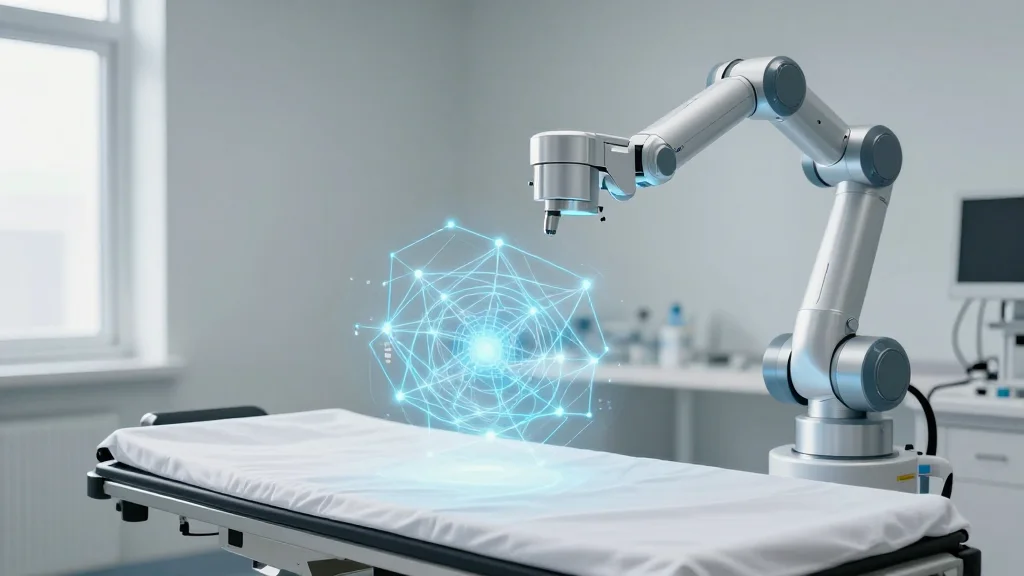
Health systems have built fragmented AI "agent" stacks that operate on isolated data slices, leading to mis‑aligned decisions and limited impact. The core issue is a lack of unified context across clinical, financial and operational information. Innovaccer’s Gravity platform introduces...

How Starkey Is Staying Ahead of the AI Hearing-Aid Wave
Starkey has been embedding artificial intelligence into its hearing‑aid portfolio since 2017, turning a single‑purpose device into a multi‑function, personalized sound platform. The company claims its AI can tailor audio for each user, giving it a technological edge over newer...

Continuity of Care in the Age of AI: Supporting Safer Handovers in Primary and Community Health and Social Care
A new human‑centred AI framework aims to reduce handover failures in UK primary, community and social care. The four‑component model includes change‑focused summaries, cross‑team communication support, safety prompts, and workforce wellbeing integration. A needs assessment of 21 domiciliary care workers...

Max Hodak’s Science Corp. Is Preparing to Place Its First Sensor in a Human Brain
Science Corp, the neurotechnology startup founded by former Neuralink president Max Hodak, has recruited Yale neurobiologist Murat Günel as a scientific adviser to oversee its first U.S. human trials of a bio‑hybrid brain‑computer interface. The company recently closed a $230 million Series C...

DaVita Algorithm Flags Issues With Home Dialysis Patients
DaVita Kidney Care has deployed a predictive machine‑learning tool, the Peritoneal Dialysis Loss Model, to monitor home dialysis patients. By analyzing roughly 150 data points—including vitals, lab results and machine‑generated alerts—the system flags the riskiest 10% of patients for early...

The 2026 MDO Medtech Startups Special Report
Medical Design & Outsourcing released its 2026 Medtech Startups Special Report, a free guide packed with technical tips and strategic advice for early‑stage medical device companies. The report highlights a tightening fundraising environment as venture capital pours into AI and...
AI Decision Support System Aims to Improve Battlefield Triage
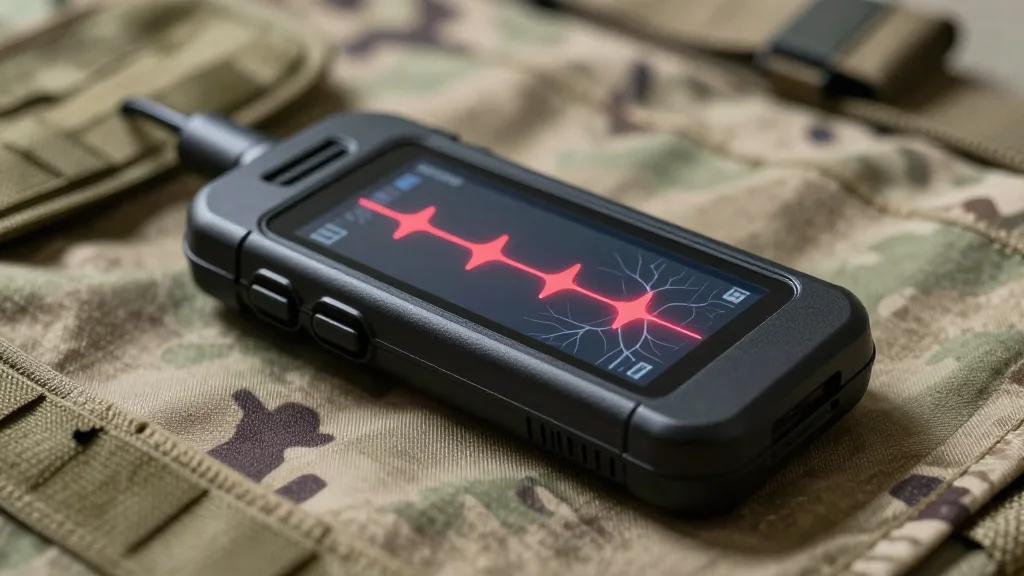
GovCIO Media & Research introduced APPRAISE, an AI‑enabled decision‑support system designed to help combat medics triage casualties and assess hemorrhage risk in real time. By analyzing vital signs such as heart rate and blood pressure, the tool predicts the likelihood...

VA Deputy Secretary on Resuming EHR Rollout
The Department of Veterans Affairs resumed its Electronic Health Record Modernization (EHRM) program this weekend after a three‑year pause. Deputy Secretary and Acting CIO Paul Lawrence highlighted a renewed emphasis on governance, user experience, and measurable outcomes. The rollout will...
You Can Order Your Own Blood Work Now. Interpreting the Results Is Another Story
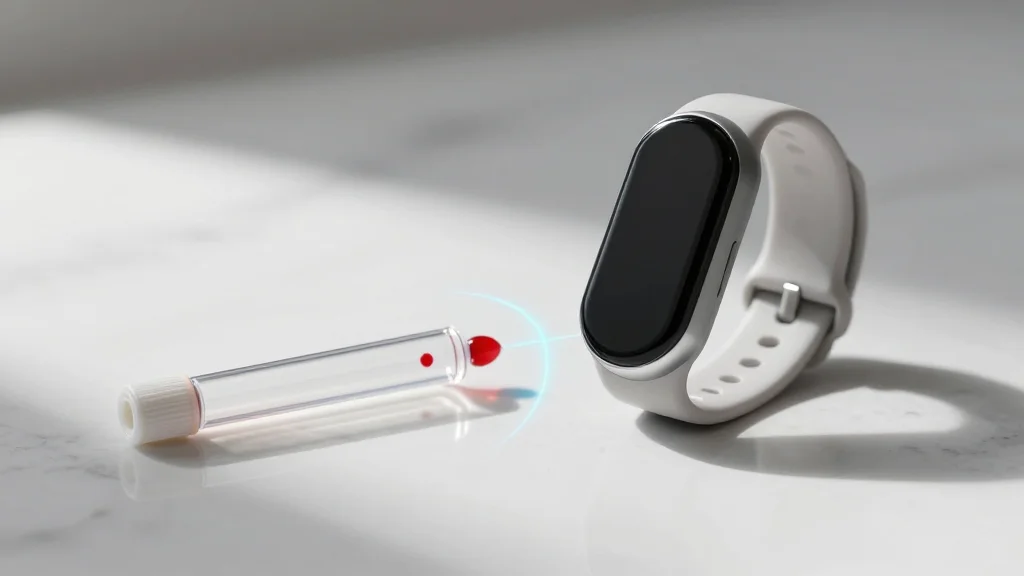
Direct‑to‑consumer blood testing is rapidly expanding as wearables and telehealth firms like Oura, Whoop, Hims & Hers, and Function Health partner with Quest Diagnostics and Labcorp to sell panels for as little as $99. Consumers can order labs without a physician, but the...
CMS Accepts More than 150 Providers, Digital Health Firms for ACCESS Model
The Centers for Medicare & Medicaid Services (CMS) has granted provisional approval to more than 150 providers and digital‑health firms for its Advancing Chronic Care with Effective, Scalable Solutions (ACCESS) Model. The 10‑year experiment, launching in July, will pay participants...

Why Synthetic Data Is the Antidote to Clinical Trials
Synthetic data, digital twins, and AI are reshaping medical‑device trials by generating virtual patient cohorts that reduce enrollment needs and cut validation costs. The FDA’s in‑silico guidance and EMA’s acceptance of AI tools are paving regulatory pathways for these simulations....

Kenya-Based Assistive Tech Accelerator Embeds Persons with Disabilities in Product Design
Kenya’s Innovate Now accelerator announced its largest cohort yet, selecting 19 startups that focus on speech therapy, mobility, inclusive education and caregiver support. The program’s “Live Labs” model embeds persons with disabilities directly into prototype testing, ensuring products are tailored to...

AI Tool Analyzes CT Scans to Help Boost Early Lung Cancer Detection
A team at Kaunas University of Technology has created a dual‑scale AI system that simultaneously evaluates detailed and contextual information in CT scans, mimicking radiologists’ workflow. Trained on scans from healthy and cancer patients, the model distinguishes normal tissue, benign...

Clinical Supply Chain Hits Its AI Turning Point
AI is reaching a tipping point in the clinical supply chain, with McKinsey forecasting real‑time inventory, predictive replenishment and automated procurement. Agentic AI solutions will shift operations from reactive to predictive, delivering cost‑intelligence, operating‑room optimization, infection‑risk mitigation, robotic‑surgery ROI and...

Base Editing Repairs Mutation and Liver Function in Mouse Model of Zellweger Spectrum Disorder
Scientists at the Broad Institute and collaborators used a refined base‑editing system to correct a disease‑causing mutation in the PEX1 gene of mice that model Zellweger spectrum disorder. The edit restored peroxisome function and normalized liver biomarkers, demonstrating functional rescue...

Neighbourhood Oncology Programme at The Christie Makes Move to Digitally-Enabled and Neighbourhood-Based System of Care
The Christie NHS Foundation Trust unveiled a neighbourhood oncology programme that shifts cancer treatment toward digitally‑enabled, home‑ and community‑based care. The initiative plans to expand systemic anti‑cancer therapy at home from the current 1,300 patients to over 5,000, using opt‑out...

Helical Closes $10M Seed to Turn Bio Foundation Models Into Systems
Helical, a London‑based pharma‑AI startup, closed a $10 million seed round led by redalpine, with AI leaders from Cohere and HuggingFace among angel investors. The funding will expand its dual‑surface platform—Virtual Lab for biologists and Model Factory for data scientists—across more...

Protaryx Medical Secures FDA Clearance for Its Transseptal Access Device
Protaryx Medical announced that the U.S. Food and Drug Administration granted 510(k) clearance for its Transseptal Puncture Device, a next‑generation system designed for minimally invasive left‑heart access. The device uses radio‑frequency guidewire technology integrated with standard electrosurgical generators and features...

People Are Using AI Tools to Self-Diagnose, but Research Shows They Are Very Likely to Be Getting Bad Advice
New AXA Health polling of 2,000 UK adults reveals that large‑language‑model symptom checkers are reshaping care pathways. While 78% say AI helps them understand medical language, 59% report delaying professional help after reassurance and the same share seek unnecessary appointments....

Google.org and the Johnson & Johnson Foundation Are Launching a $10 Million Initiative to Train Rural U.S. Healthcare Workers in...
Google.org and the Johnson & Johnson Foundation have teamed up to launch a $10 million philanthropic initiative aimed at boosting AI literacy among rural U.S. healthcare workers. Each organization is contributing $5 million to fund training that focuses on foundational AI knowledge,...
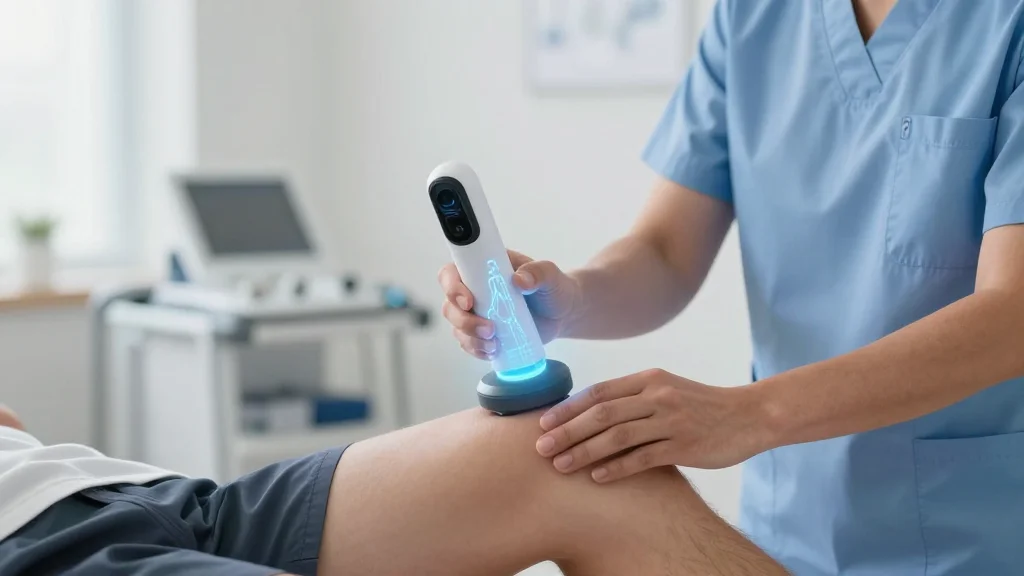
Kent Community Health NHS to Procure MSK Physiotherapy AI Service
Kent Community Health NHS Foundation Trust announced plans to procure a UK‑based musculoskeletal (MSK) physiotherapy service powered by artificial intelligence. The hybrid solution will blend AI‑driven triage and assessment with virtual appointments from HCPC‑registered physiotherapists, and must be a Class IIa...

How MacTay Is Using Virtual Reality to Train Emergency Services Professionals in Lagos
MacTay has trained more than 300 emergency‑service professionals in Lagos using virtual‑reality goggles that simulate a high‑risk accident on the Lekki‑Ikoyi bridge. The VR platform, originally built for STEM education, now offers repeatable, risk‑free practice for first responders, building muscle...

Connected Healthcare IoT: Remote Monitoring, Medical Devices and Data Challenges
Connected Healthcare is emerging as a core segment of IoT, linking wearable sensors, implantable devices, and hospital equipment to cloud and edge platforms for real‑time patient monitoring. The architecture relies on multi‑layered connectivity—BLE, Wi‑Fi, LTE‑M, NB‑IoT, and 5G—and data standards...

A Plasma-Based DNA Test for Quantification of Disease Burden in Acute Myeloid Leukemia Patients Undergoing Bone Marrow Transplantation
Researchers at Johns Hopkins introduced a plasma‑based DNA assay, v96, that monitors up to 96 AML‑specific mutations in patients undergoing allogeneic bone‑marrow transplantation. In a cohort of 30 AML patients, the test detected molecular evidence of residual leukemia in 100%...

Finding the Right Five Percent: How Machine Learning Is Reshaping Care Management
Machine learning is being woven into population health programs to move risk stratification from blunt, utilization‑based scores to disease‑centered, predictive analytics. By aggregating claims, labs and medication data into unified clinical profiles, ML models capture nonlinear patterns that linear regressions...
Tech to Support New Models of Care Says NHS Chief Executive
NHS England’s 2026/27 priorities place technology at the heart of service improvement, with Sir Jim Mackey emphasizing technology‑enabled productivity. The plan calls for wider adoption of Ambient Voice Technology to accelerate clinical workflows and new digital solutions to boost theatre...

Humber Trust to Lead Roll-Out of New NHS App Features
Humber Teaching NHS Foundation Trust has been chosen by NHS England to spearhead the rollout of new Wayfinder‑driven features in the NHS App for 11 other trusts that use the SystmOne electronic patient record. The enhancements will let patients view,...

Novo Nordisk Partners with OpenAI to AI-Power Drug Development
Novo Nordisk announced a strategic partnership with OpenAI to embed advanced artificial‑intelligence across its drug discovery pipeline. The collaboration will leverage OpenAI’s models to sift through massive datasets, accelerate candidate selection and shorten regulatory submission timelines via the NovoScribe platform....
Indian States Roll Out Radiology AI and More Briefs
India’s health sector is accelerating AI adoption. Madhya Pradesh has launched a pilot of mlHealth360’s cloud‑based AI radiology platform across ten district hospitals to triage CT scans and speed up diagnosis of strokes, trauma and tumours. Telangana has rolled out...

Beyond Rating Scales: AI Brings Natural Language to Depression Screening, Improving Accuracy and User Experience
Researchers at Zhengzhou Normal University introduced BDI‑FS‑GPT, a ChatGPT‑powered interface that embeds the Beck Depression Inventory Fast Screen into a conversational format. In a trial of 115 adults, including 28 diagnosed with depression, the AI tool identified 89.3% of cases...

PainChek Inks Landmark 20,000-Bed North America Deployment with Sabra Health Care REIT
PainChek announced a Master Services Agreement with Sabra Health Care REIT to deploy its pain‑assessment platform across up to 20,000 beds in 329 U.S. and Canadian long‑term‑care facilities. The deal prices the solution at $55‑75 per bed per year under...

Ultralight Raises $9.3M to Launch AI-Native Operating System for Healthcare
Ultralight, formerly Vibrant Practice, secured $9.3 million led by The General Partnership to develop an AI‑native operating system tailored for Direct Primary Care. The platform aims to replace fragmented legacy EHRs with a unified, “invisible” infrastructure that reduces clinician charting time....

The AI Arms Race: Why PHTI Warns Healthcare ‘Bot Wars’ Are Inflating Medical Costs
The Peterson Health Technology Institute’s new report warns that artificial‑intelligence tools, while easing administrative tasks for individual health systems, are inflating system‑wide costs. AI‑driven prior‑authorization bots generate more submissions and denials, creating a “bot war” that adds $40‑$50 per request...

Australia's Digital Health ROI Problem: Why Focusing on Dollars Is Holding Transformation Back
Australia’s digital health agenda is moving beyond pure financial ROI, emphasizing outcomes, patient and clinician experience, and long‑term system sustainability. Recent policies such as Share by Default and the National Digital Health Strategy have turned digital infrastructure into a core...