Tech to Support New Models of Care Says NHS Chief Executive
Why It Matters
Embedding advanced digital tools promises faster, more efficient care delivery while easing pressure on hospitals, directly benefiting patient outcomes and NHS cost structures. Successful integration could set a benchmark for public‑sector health innovation worldwide.
Key Takeaways
- •NHS England targets technology‑enabled productivity for 2026/27
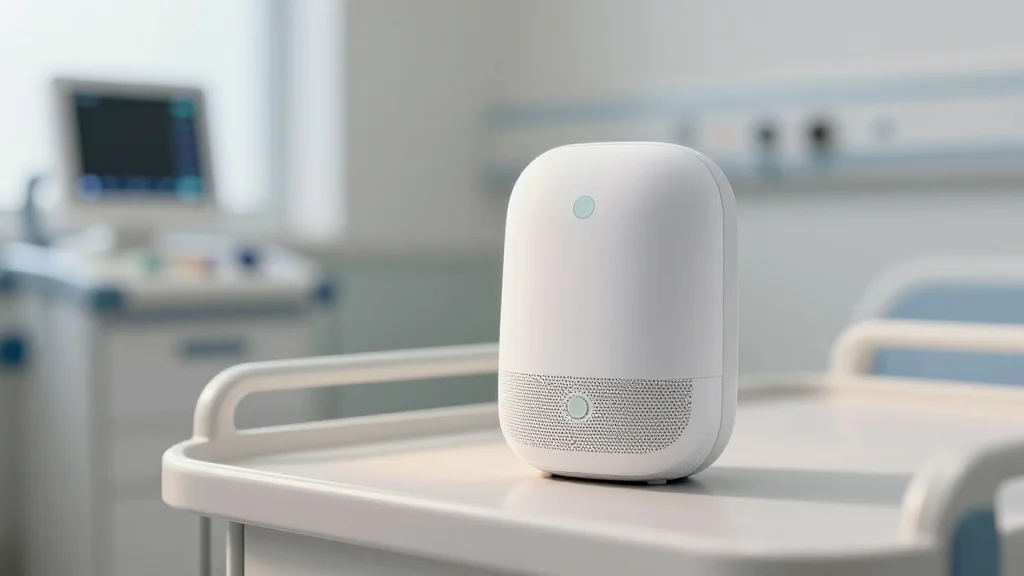
- •Ambient Voice Technology to streamline clinical workflows across hospitals
- •NHS App to become a digital front door, reducing ED visits
- •Digital tools aim to improve theatre utilisation and discharge processes
- •Local health systems urged to integrate innovations for patient‑centric care
Pulse Analysis
The NHS’s renewed focus on digital health reflects a broader shift in public‑sector strategy, where technology is no longer an ancillary support but a core driver of productivity. By earmarking technology‑enabled productivity as a priority, NHS England signals a commitment to invest in infrastructure, data interoperability, and workforce upskilling. This aligns with the UK’s long‑term digital health roadmap, which aims to deliver £2.3 billion in efficiency gains by 2030, positioning the NHS as a testbed for large‑scale health tech deployment.
Central to the 2026/27 agenda are concrete tools such as Ambient Voice Technology, which can transcribe clinician notes in real time, freeing staff to focus on patient interaction rather than documentation. Parallel initiatives target theatre utilisation and discharge pathways, using predictive analytics to match operating room capacity with demand and to automate post‑acute follow‑up. The transformation of the NHS App into a "digital front door" is poised to redirect low‑acuity cases from overcrowded emergency departments to virtual triage and community‑based urgent care, a move expected to reduce unnecessary ED attendances by up to 15 percent.
For providers, the challenge lies in harmonising legacy systems with these new solutions while maintaining data security and patient privacy. Successful integration will require coordinated governance across NHS trusts, clear performance metrics, and sustained training programs. If executed well, the digital overhaul could improve patient satisfaction, lower operational costs, and provide a scalable model for other health systems grappling with rising demand and constrained budgets.
Tech to support new models of care says NHS chief executive
Comments
Want to join the conversation?
Loading comments...