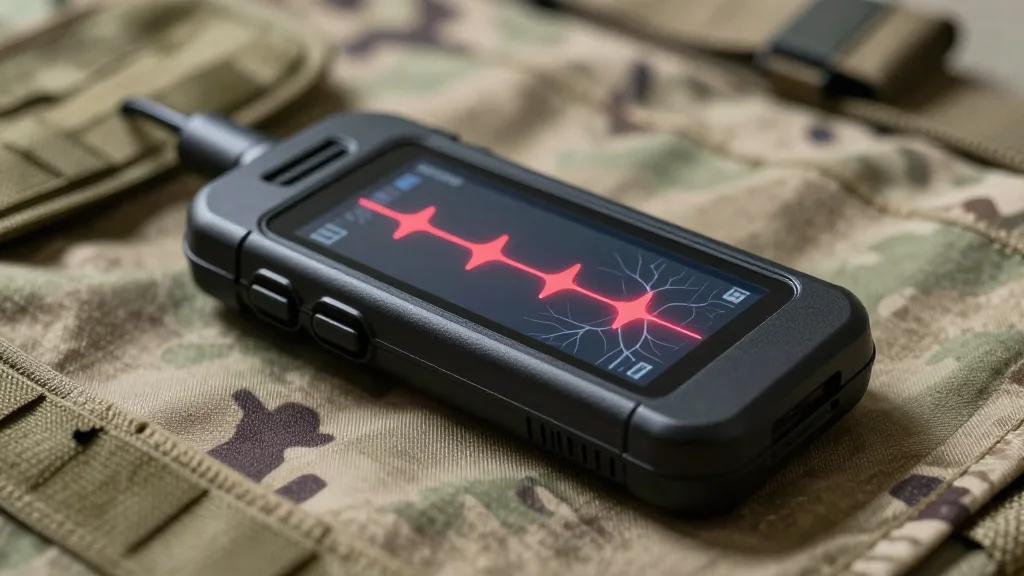
AI Decision Support System Aims to Improve Battlefield Triage
Why It Matters
Reducing hemorrhage deaths improves combat readiness and saves lives, while AI‑driven triage can streamline battlefield medical logistics.
Key Takeaways
- •APPRAISE predicts hemorrhage risk using real‑time vital signs.
- •Synthetic data expands AI training despite limited battlefield medical records.
- •Over 90% of preventable battlefield deaths stem from bleeding.
- •Faster triage enhances medics’ treatment and evacuation decisions.
- •AI decision support could reshape military medical protocols.
Pulse Analysis
The battlefield remains a hostile environment where minutes can determine survival. Hemorrhage accounts for more than 90 % of preventable combat fatalities, largely because wounded soldiers often die before reaching a field hospital. Traditional triage relies on medics’ visual assessment and limited diagnostic tools, which can miss early signs of internal bleeding. As military operations become faster and more dispersed, the need for objective, data‑driven decision aids has grown, prompting defense agencies to explore artificial intelligence as a force multiplier for medical care.
APPRAISE, unveiled by GovCIO Media & Research at the Defense IT Summit, leverages machine‑learning algorithms to ingest continuous streams of vital‑sign data—heart rate, blood pressure, oxygen saturation—and output a probabilistic estimate of hemorrhage risk. Because authentic battlefield medical records are scarce, the development team supplemented training data with synthetic patient profiles generated through physiologic modeling. This hybrid dataset enables the AI to recognize subtle patterns that human observers might overlook, delivering real‑time alerts that guide medics in prioritizing treatment, applying hemostatic agents, or calling for rapid evacuation.
The system’s deployment could shift the paradigm of combat medicine, reducing preventable deaths and freeing medics to focus on interventions rather than diagnosis. Beyond immediate casualty care, APPRAISE offers a template for integrating AI across the Department of Defense’s health infrastructure, from forward operating bases to telemedicine hubs. As the technology matures, policymakers will need to address data security, algorithmic transparency, and training protocols, but the potential payoff—enhanced survivability and operational readiness—positions AI as a strategic asset in modern warfare.
AI Decision Support System Aims to Improve Battlefield Triage
Comments
Want to join the conversation?
Loading comments...