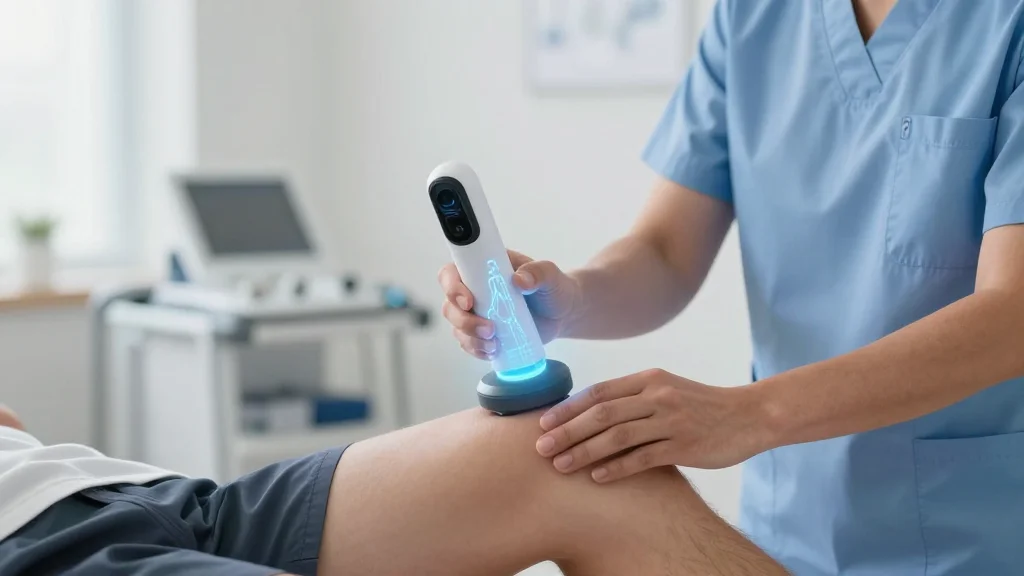
Kent Community Health NHS to Procure MSK Physiotherapy AI Service
Why It Matters
The initiative could dramatically shorten MSK treatment wait times and showcase scalable AI integration in public health, setting a precedent for other trusts. It also signals growing confidence in regulated AI solutions to handle clinical decision‑making.
Key Takeaways
- •Kent Trust seeks AI‑enabled MSK physiotherapy service
- •Hybrid model combines AI triage with registered physiotherapist virtual visits
- •Contract starts May 2026, pilot 3‑6 months, possible extensions
- •Service must be Class IIa device, CQC‑registered provider
- •Reflects NHS push for AI to cut non‑clinical workload
Pulse Analysis
The National Health Service faces mounting pressure to address musculoskeletal disorders, which account for a significant share of outpatient appointments and long waiting lists. By leveraging AI to automate initial triage and generate personalized treatment plans, trusts can free clinicians to focus on complex cases, potentially reducing patient wait times and improving outcomes. This technological shift dovetails with broader digital health initiatives, such as the NHS’s long‑term strategy to embed AI across diagnostic and therapeutic pathways, aiming for cost efficiencies and higher quality care.
Kent Community Health NHS Foundation Trust’s upcoming procurement exemplifies this strategic direction. The tender calls for a UK‑based provider that can deliver an end‑to‑end clinical pathway, blending AI‑driven assessments with virtual consultations from HCPC‑registered physiotherapists. Requiring Class IIa medical‑device certification and CQC registration ensures regulatory compliance and patient safety. The initial three‑to‑six‑month pilot, slated for May 2026, offers a low‑risk environment to validate clinical efficacy and operational integration before committing to up to three additional one‑year extensions, creating a clear roadmap for scaling successful solutions.
The Kent initiative mirrors a wider momentum in the UK, highlighted by the Scottish Government’s five‑year AI strategy and the NHS’s internal drives to cut non‑clinical workload by up to ten percent annually. Meanwhile, global AI investment, exemplified by OpenAI’s $122 billion funding round, underscores the rapid maturation of AI capabilities that can be repurposed for health applications. As AI tools become more sophisticated and regulated, expect accelerated adoption across specialties, fostering a new era of data‑driven, patient‑centric care that could reshape the economics of public health delivery.
Kent Community Health NHS to procure MSK physiotherapy AI service
Comments
Want to join the conversation?
Loading comments...