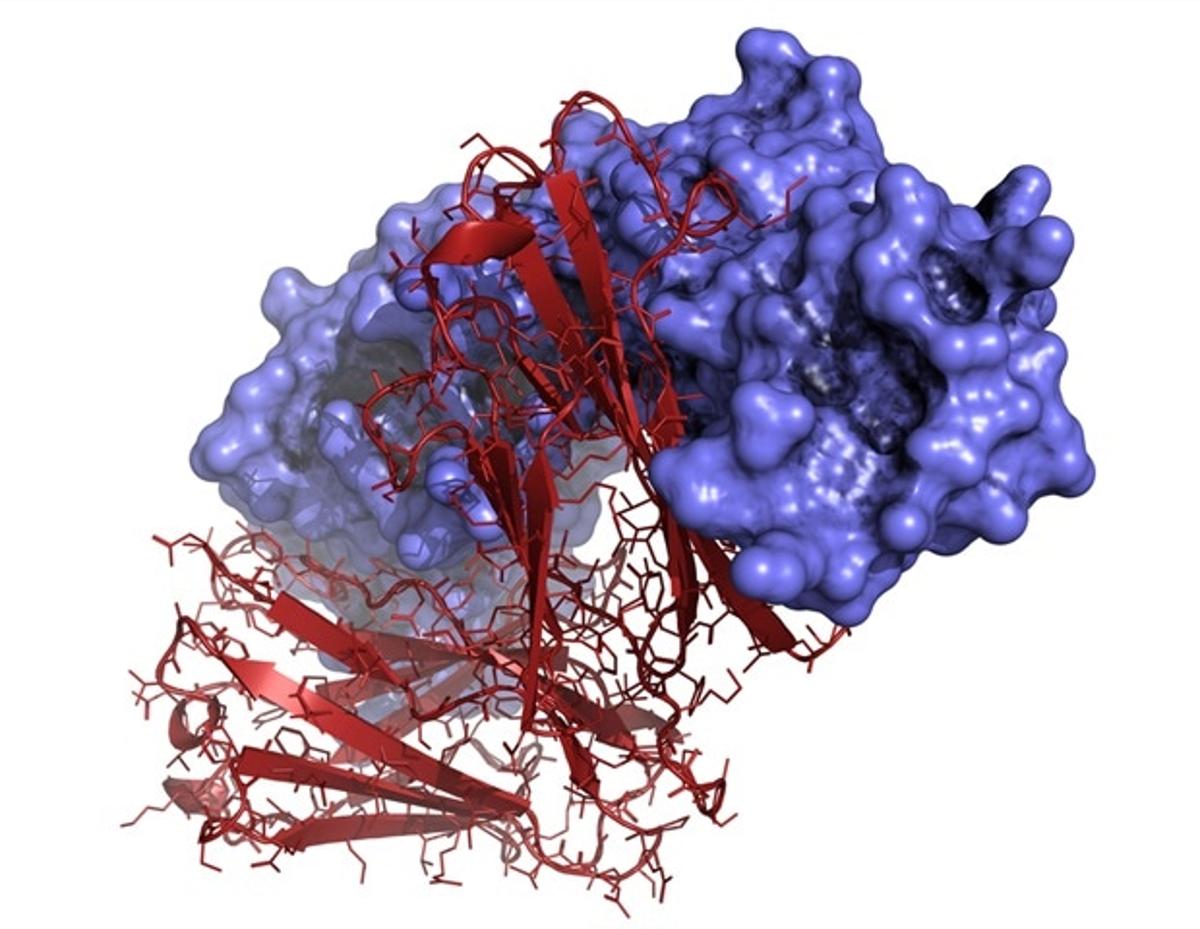
Scientists Find Unexpected Immune Pathways for mRNA Cancer Vaccines
Why It Matters
The discovery expands the known immune pathways that mRNA vaccines can exploit, offering developers new targets to improve efficacy and broaden patient response rates in oncology.
Key Takeaways
- •mRNA cancer vaccines trigger T‑cell response without cDC1 dendritic cells
- •cDC2 dendritic cells also prime anti‑tumor T cells via cross‑dressing
- •Both cDC1 and cDC2 pathways produce distinct T‑cell molecular signatures
- •Findings guide design of more effective mRNA vaccine formulations and dosing
Pulse Analysis
The COVID‑19 pandemic proved that messenger‑RNA platforms can be manufactured quickly and generate robust immunity, prompting biotech firms to repurpose the technology for oncology. Unlike traditional peptide‑based cancer vaccines, mRNA can encode multiple neoantigens, enabling personalized approaches for melanoma, small‑cell lung cancer, bladder cancer and beyond. However, translating viral‑vaccine success to tumor settings has been hampered by incomplete knowledge of which immune cells are essential for initiating the anti‑tumor response, a gap this new research begins to fill.
In a series of mouse experiments, WashU researchers knocked out the canonical cDC1 dendritic cells—long considered the primary educators of CD8⁺ T cells—and observed that mRNA vaccination still produced strong cytotoxic T‑cell activity and cleared sarcoma tumors. Further analysis revealed that cDC2 cells compensate by presenting antigen fragments through a process known as cross‑dressing, where other cells process the mRNA‑derived proteins and transfer peptide‑MHC complexes to cDC2. Notably, T cells primed by cDC1 and cDC2 displayed subtly different transcriptional fingerprints, suggesting each pathway may influence the quality and durability of the anti‑tumor response.
For vaccine developers, these findings open practical avenues to refine product design. Formulations could be engineered to preferentially engage both dendritic subsets, or to modulate dosing schedules that maximize cross‑dressing efficiency. Clinical trial strategies may also incorporate biomarkers that track cDC2 activity, helping to predict which patients are likely to respond. As the field moves toward individualized mRNA cancer vaccines, understanding the dual dendritic circuitry will be pivotal for achieving consistent, high‑level efficacy across diverse tumor types.
Scientists find unexpected immune pathways for mRNA cancer vaccines
Comments
Want to join the conversation?
Loading comments...