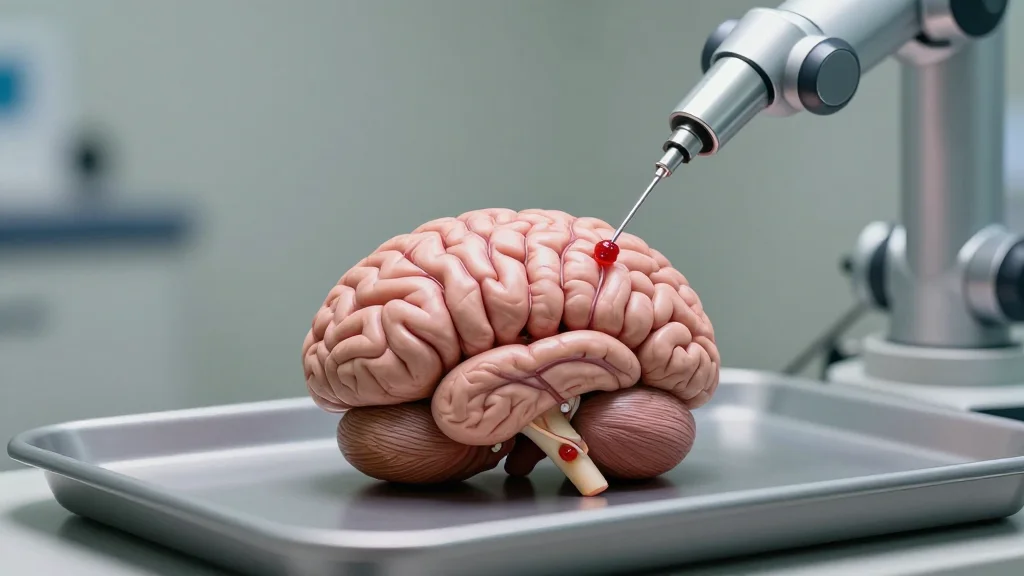
First International Consensus on How to Design, Test and Evaluate Robotic Systems for Stroke Treatment
Why It Matters
Standardized guidelines will make robotic stroke interventions comparable, safer, and faster to market, expanding access to life‑saving treatment worldwide.
Key Takeaways
- •First global standards for robotic mechanical thrombectomy released
- •Consensus covers design, testing, evaluation, and safety metrics
- •Aims to enable remote stroke treatment and accelerate clinical trials
- •Patient input ensures safety and real‑world benefit focus
Pulse Analysis
Mechanical thrombectomy remains the gold‑standard for acute ischemic stroke, yet its reliance on highly specialized interventionalists limits geographic reach. As hospitals grapple with staffing shortages and rising stroke incidence, robotic assistance promises to extend expertise beyond traditional walls. However, the field has been fragmented, with disparate study designs and outcome measures hampering meaningful comparison. The newly released consensus addresses this gap by codifying a unified methodology for device development, pre‑clinical testing, and clinical validation, ensuring that safety and efficacy remain paramount.
The consensus was forged by an international coalition spanning interventional neuroradiology, robotics engineering, data science, health economics, policy, statistics, and patient advocacy. By embedding patient perspectives from organizations like the Stroke Association, the guidelines prioritize real‑world impact and ethical deployment. Researchers can now benchmark robotic systems against common performance indicators, such as navigation accuracy, procedural time, and adverse event rates. This harmonization is expected to streamline regulatory submissions, reduce redundant experimentation, and foster collaborative multicenter trials that generate robust evidence.
For industry and investors, the standards signal a maturing market poised for rapid growth. Companies developing AI‑driven navigation or tele‑operated catheter platforms can align product pipelines with the consensus, accelerating time‑to‑clinical trial and de‑risking capital deployment. Moreover, the framework supports remote procedural models, potentially allowing expert neurointerventionists to operate from centralized hubs, thereby expanding access in underserved regions. As the technology moves from laboratory validation—exemplified by the recent autonomous MT demonstration at King’s College—into regulated trials, the consensus will serve as the regulatory and scientific backbone for the next generation of stroke‑saving robotics.
First international consensus on how to design, test and evaluate robotic systems for stroke treatment
Comments
Want to join the conversation?
Loading comments...