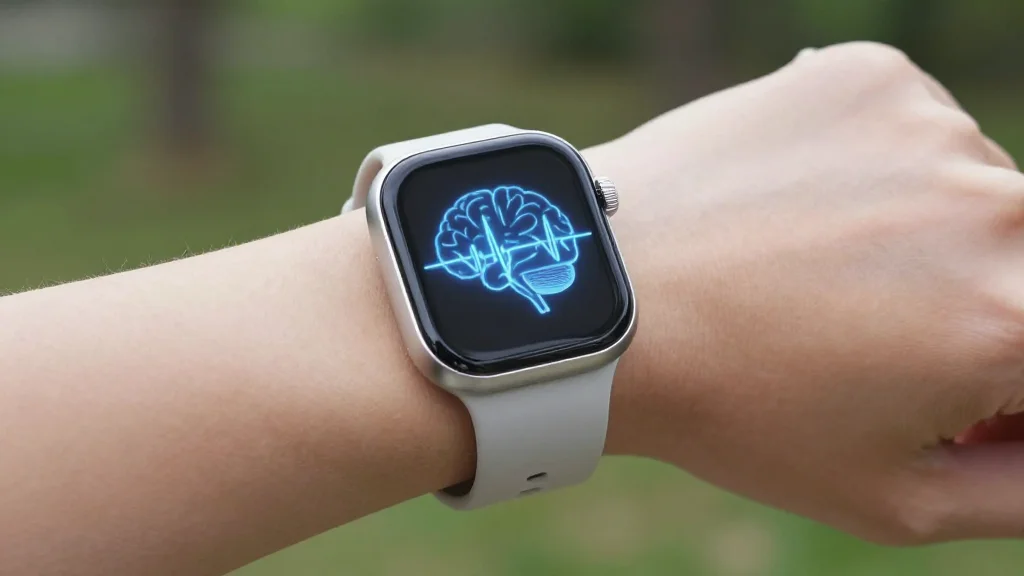
AI for Mental Health Monitoring Shows Promise but Faces Bias and Privacy Barriers, Umbrella Review Finds
Why It Matters
AI‑driven mental‑health monitoring could dramatically improve early intervention and access, but unresolved bias and privacy issues risk widening health disparities and eroding trust.
Key Takeaways
- •AI diagnostic tools achieve 78‑92% accuracy, multimodal models exceed 89%
- •Bias and privacy concerns limit adoption in diverse patient populations
- •Chatbots improve access for rural and stigma‑sensitive users
- •Clinicians must integrate AI insights with human oversight for safety
Pulse Analysis
Artificial intelligence is rapidly reshaping mental‑health assessment, with recent systematic evidence showing diagnostic models that rival or exceed traditional screening tools. Text‑based machine‑learning algorithms reach 81%‑85% accuracy, while multimodal platforms that fuse facial, vocal and physiological signals push performance above 89%. These gains stem from deep‑learning architectures such as convolutional neural networks and LSTM models, which capture subtle emotional cues across large datasets. For providers, the promise lies in earlier detection of depression, anxiety and crisis risk, potentially reducing the time to intervene.
Beyond accuracy, AI offers a pathway to bridge longstanding access gaps. Chatbots and wearable sensors are especially appealing to younger users, rural residents and individuals wary of stigma, who report greater comfort sharing sensitive information with digital agents. Real‑time monitoring of heart‑rate variability, skin conductance or typing patterns can flag emerging distress, enabling proactive outreach. Yet the review underscores that many studies rely on small, homogenous samples, and algorithmic bias remains a critical flaw—systems trained on limited demographics often falter when applied to diverse populations. Data‑privacy concerns, particularly around passive sensor collection, further dampen user trust and regulatory acceptance.
For telehealth clinicians, the practical takeaway is to adopt a hybrid model: leverage AI for continuous screening and patient engagement while retaining human validation for high‑risk decisions. Advocating for transparent, explainable AI—where algorithms disclose data sources, confidence scores and demographic performance—will be essential to build confidence among patients and providers. Standardized evaluation frameworks and inclusive training datasets are emerging priorities for regulators, aiming to balance innovation with patient protection. As the ecosystem matures, AI is poised to become a valuable adjunct rather than a replacement for traditional mental‑health care.
AI for Mental Health Monitoring Shows Promise but Faces Bias and Privacy Barriers, Umbrella Review Finds
Comments
Want to join the conversation?
Loading comments...