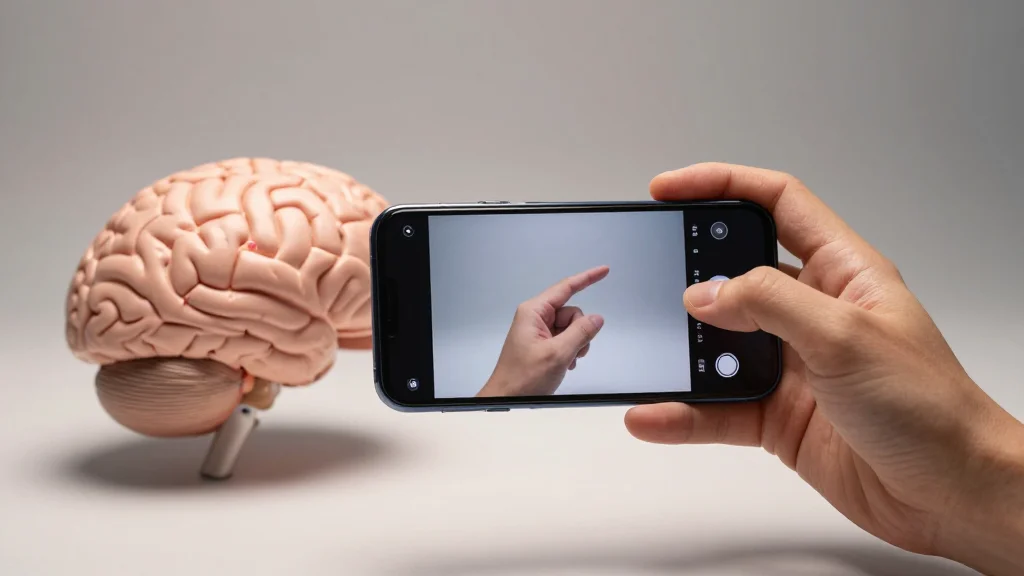
Smartphone Video Enhances Parkinson’s DBS Programming
Why It Matters
By delivering objective, real‑time movement analytics, StimVision streamlines DBS optimization, lowering patient burden and enhancing therapeutic outcomes across the Parkinson’s care continuum.
Key Takeaways
- •StimVision captures kinematic data via smartphone video for DBS tuning
- •Objective metrics correlate with UPDRS, improving programming accuracy
- •Reduces trial‑and‑error sessions, cutting clinic time and patient burden
- •Enables remote monitoring and data aggregation for Parkinson’s research
- •Scalable tool democratizes advanced DBS programming in low‑resource settings
Pulse Analysis
Deep brain stimulation has become a cornerstone therapy for Parkinson’s disease, yet programming the implant remains a labor‑intensive art. Clinicians must balance dozens of voltage, frequency and pulse‑width settings while relying on subjective observation and patient feedback, often requiring multiple clinic visits. The newly unveiled StimVision platform leverages the ubiquity of modern smartphones to capture high‑resolution video of prescribed motor tasks, converting subtle tremor and bradykinesia into quantitative kinematic signatures. By digitizing this assessment, the system promises a more reproducible and efficient route to optimal stimulation parameters.
StimVision’s core engine combines computer‑vision algorithms with machine‑learning models trained on thousands of movement recordings. The app extracts tremor amplitude, frequency and execution smoothness, producing metrics that align closely with the Unified Parkinson’s Disease Rating Scale (UPDRS). Early clinical trials reported a 30% reduction in programming time and higher concordance with expert‑rated outcomes, indicating that objective video‑derived data can outperform traditional bedside assessments. Moreover, the predictive module forecasts how adjustments to voltage or pulse width will influence motor performance, turning DBS titration from trial‑and‑error into a data‑driven process.
Beyond individual care, the standardized kinematic dataset can be aggregated across centers, offering unprecedented epidemiological insight into DBS efficacy and disease progression. The smartphone‑first design lowers barriers for community hospitals and low‑resource regions, expanding access to precision neuromodulation without costly proprietary hardware. Integration with telemedicine platforms further enables remote programming reviews, reducing patient travel and clinic load. As larger multicenter studies validate long‑term outcomes, StimVision may set a new benchmark for digital biomarkers in neuro‑degenerative disease management.
Smartphone Video Enhances Parkinson’s DBS Programming
Comments
Want to join the conversation?
Loading comments...