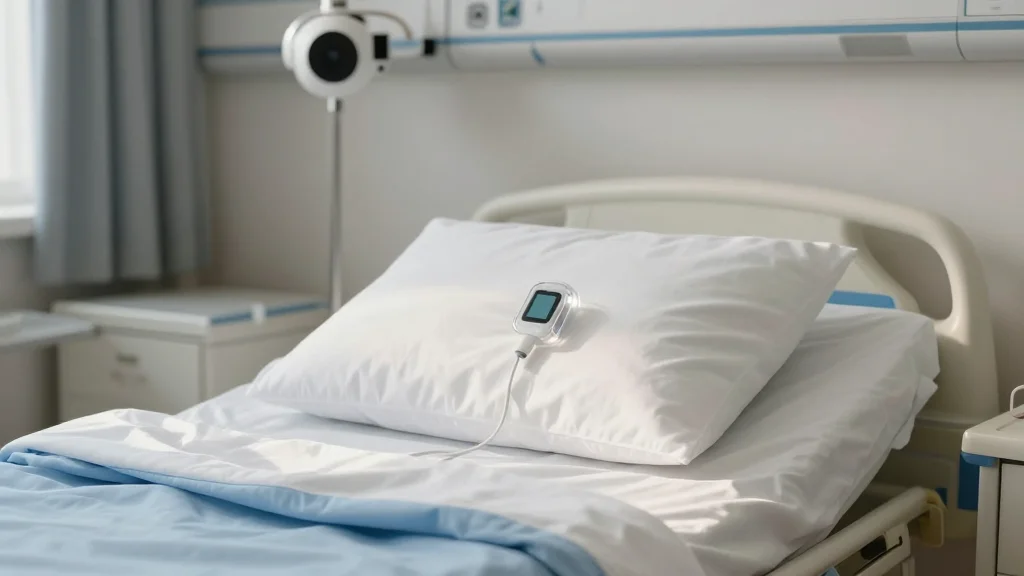
How Computer Vision Fits Into a Smart Hospital Room
Why It Matters
The AI‑powered room promises measurable reductions in adverse events and staffing inefficiencies, giving health systems a competitive edge in quality‑driven reimbursement models. Its adoption could accelerate broader digital transformation across inpatient care.
Key Takeaways
- •Artisight integrates audio, video, sensors for real‑time patient monitoring
- •Computer vision detects falls, equipment misuse, and staff hand hygiene
- •Ambient AI alerts clinicians, reducing response time by minutes
- •Smart room data feeds analytics, improving operational efficiency
- •Hospitals adopting AI rooms anticipate lower adverse event rates
Pulse Analysis
The push toward ambient intelligence in healthcare reflects a broader industry shift where data from multiple sources—audio, video, and environmental sensors—converge to create a continuous picture of patient status. Vendors like Artisight are capitalizing on advances in edge computing and low‑latency networking to embed AI directly in the patient room, bypassing the need for centralized processing. This decentralization not only preserves privacy but also enables instant decision‑making, a critical factor as hospitals grapple with staffing shortages and rising patient acuity.
Computer vision sits at the core of Artisight’s offering, leveraging deep‑learning models trained to recognize subtle cues such as a patient’s movement patterns, the presence of medical equipment, and compliance with hand‑hygiene protocols. When the system identifies a fall or a breach in protocol, it generates an audible and visual alert that surfaces on clinicians’ mobile dashboards, cutting response times from minutes to seconds. By automating routine surveillance, staff can redirect attention to higher‑value tasks, thereby improving workflow efficiency and reducing burnout. Early pilots report a 15‑20% drop in non‑clinical alarm fatigue, illustrating the tangible operational gains of AI‑driven monitoring.
Adoption, however, is not without hurdles. Integrating video streams into existing electronic health record (EHR) ecosystems requires robust interoperability standards and strict compliance with HIPAA and state privacy laws. Hospitals must also invest in staff training to interpret AI‑generated insights correctly, avoiding over‑reliance on automation. Despite these challenges, the projected ROI—driven by lower adverse event rates and shorter lengths of stay—makes a compelling business case. As reimbursement models increasingly reward outcomes, smart hospital rooms equipped with computer vision are poised to become a cornerstone of next‑generation inpatient care.
How computer vision fits into a smart hospital room
Comments
Want to join the conversation?
Loading comments...