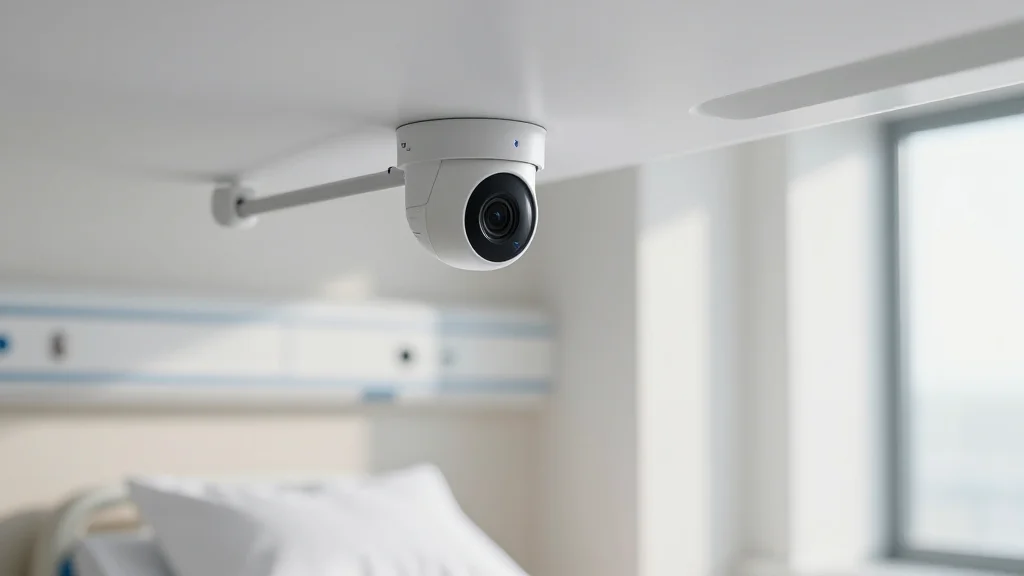
Creating Smart Hospital Rooms with Computer Vision
Why It Matters
Real‑time visual analytics can dramatically cut preventable adverse events, directly impacting hospital quality scores and reimbursement. The technology also streamlines staffing, delivering measurable efficiency gains in a cost‑pressured healthcare market.
Key Takeaways
- •Artisight's CV monitors patient movement to prevent falls
- •Real‑time alerts reduce nurse response time by up to 30%
- •System integrates with EMR for seamless workflow automation
- •Pilots show 15% drop in medication errors
- •Smart‑room market projected to grow >20% CAGR through 2030
Pulse Analysis
The push toward intelligent care environments has accelerated as hospitals seek to blend AI with everyday workflows. Computer vision, once confined to research labs, now powers real‑time monitoring of patient rooms, enabling continuous observation without adding staff burden. Vendors are leveraging edge processing to protect privacy while delivering actionable insights. This shift aligns with broader industry goals of reducing adverse events, optimizing staffing, and meeting value‑based care metrics, positioning smart rooms as a cornerstone of next‑generation health delivery.
Artisight’s platform exemplifies this trend by embedding cameras and analytics directly into bedside equipment. The system tracks patient movements, detects abnormal vitals, and flags potential falls or wandering, instantly notifying nurses via existing paging or EMR interfaces. Early deployments reported a 30% faster response to critical alerts and a 15% reduction in medication errors, attributed to automated cross‑checking of dosage administration. By feeding anonymized data into hospital analytics dashboards, administrators gain visibility into workflow bottlenecks and can reallocate staff more efficiently.
While the clinical upside is clear, adoption hinges on addressing privacy concerns and integration complexity. Hospitals must ensure HIPAA‑compliant data handling and negotiate with legacy EMR vendors for seamless API connections. Nevertheless, market analysts project the smart‑room segment to grow at a compound annual rate exceeding 20% through 2030, driven by reimbursement incentives for safety improvements. Organizations that pilot robust computer‑vision solutions now are likely to secure competitive advantages, both in patient outcomes and operational cost savings.
Creating smart hospital rooms with computer vision
Comments
Want to join the conversation?
Loading comments...