Frictionless Access Is Healthcare’s Next Front Door
Companies Mentioned
Why It Matters
Streamlined, secure front‑door processes boost patient satisfaction, cut administrative costs, and protect sensitive data, giving hospitals a decisive edge in the competitive digital‑health landscape.
Key Takeaways
- •Mount Sinai partners with CLEAR for optional digital ID verification
- •Digital check‑in cuts paperwork and speeds patient intake
- •Choice between digital and traditional registration preserves equity
- •Enhanced identity assurance reduces credential theft risk
- •Staff time saved redirects to patient engagement and care coordination
Pulse Analysis
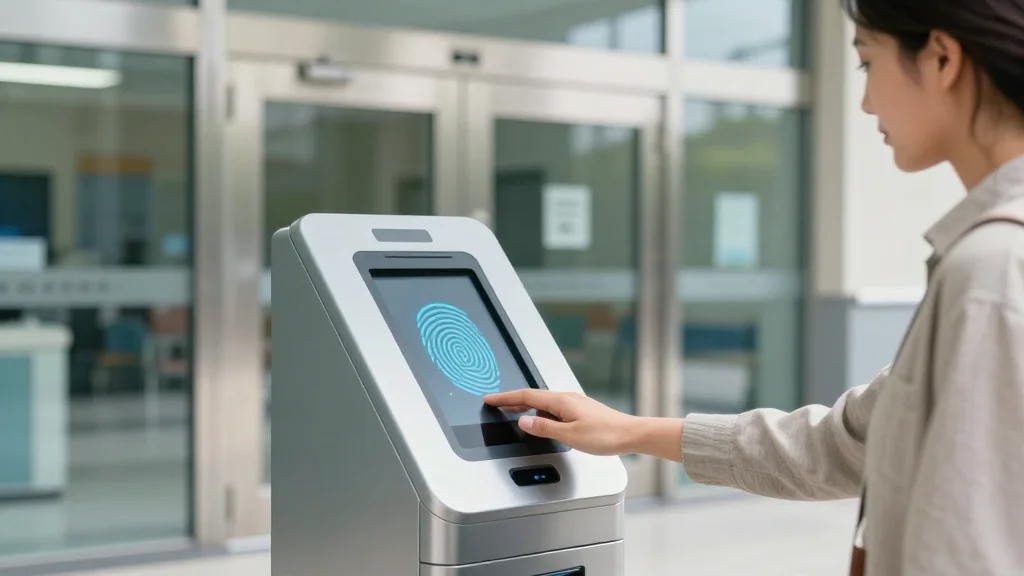
Patients now expect the same seamless, secure experiences from their banks, airlines, and retail apps when they walk into a hospital. Across the industry, digital identity solutions are emerging as the new front door, allowing providers to verify who someone is without cumbersome forms or vulnerable passwords. This shift is driven by rising cyber threats and a consumer‑centric mindset that demands speed, privacy, and choice. As more health systems adopt biometric or token‑based verification, the competitive bar for patient experience is being reset.
Mount Sinai’s rollout of CLEAR illustrates a pragmatic, patient‑first approach. By conducting focus groups, the health system identified friction points in portal sign‑up and on‑site check‑in, then offered CLEAR as an optional, familiar tool for those already using it in travel or entertainment settings. The result is a dual‑track workflow: digitally savvy users enjoy near‑instant verification, while others retain classic registration pathways. Early metrics show reduced intake time, fewer duplicate forms, and a measurable drop in credential‑related security alerts, translating into more staff capacity for direct care activities.
The broader implication for healthcare leaders is clear: frictionless access is no longer a nice‑to‑have add‑on but a strategic necessity. Hospitals that blend optional digital identity with transparent data practices can lower operational costs, improve staff morale, and differentiate themselves in a crowded market. However, success hinges on maintaining robust privacy safeguards and ensuring that technology complements—not replaces—the human touch. As the sector continues to grapple with burnout and cyber risk, solutions like Mount Sinai’s may become the blueprint for a resilient, patient‑centric future.
Frictionless Access Is Healthcare’s Next Front Door
Comments
Want to join the conversation?
Loading comments...