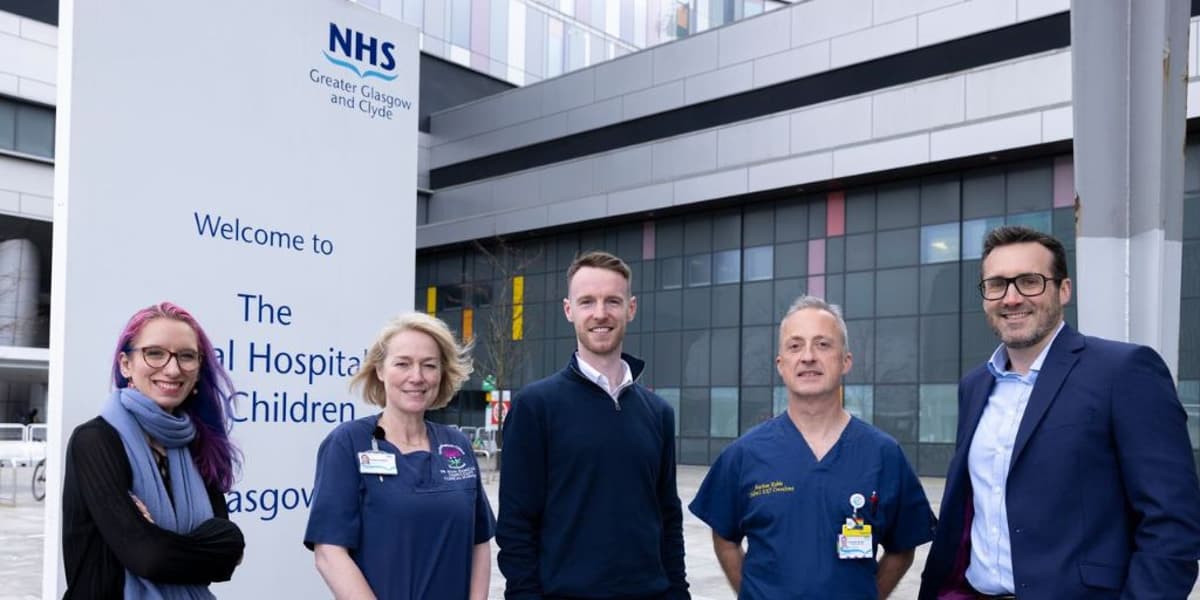
AI Could Help NHS Clinicians Diagnose Childhood Sleep Apnoea, Study Finds
Why It Matters
By automating complex sleep‑study analysis, the AI cuts diagnostic time from hours to minutes, easing specialist shortages and delivering faster treatment decisions for children with sleep apnoea.
Key Takeaways
- •Seluna AI identified severe paediatric sleep apnoea with 100% accuracy.
- •Mild and moderate cases scored 86% and 92% respectively.
- •Each study processed under five minutes, versus up to four hours manually.
- •Trial used 500 NHS Greater Glasgow and Clyde pediatric sleep studies.
- •UK-wide multi‑site study approved, adding six major children’s hospitals.
Pulse Analysis
Paediatric obstructive sleep apnoea affects roughly 4% of children worldwide, yet many cases go undiagnosed because traditional polysomnography requires labor‑intensive manual scoring. Clinicians must sift through hours of physiological data, a bottleneck that strains already limited sleep‑medicine staff and delays interventions such as adenotonsillectomy, the most common surgical remedy. The diagnostic lag can exacerbate developmental, behavioural, and cardiovascular complications, underscoring the need for faster, reliable analysis tools.
Seluna’s AI platform addresses this gap by deploying a suite of machine‑learning models that automatically stage sleep and score apnoea severity. In a real‑world NHS trial, the system evaluated 500 retrospective studies, delivering results in under five minutes per patient. Accuracy metrics—100% for severe cases, 92% for moderate, and 86% for mild—matched or exceeded human inter‑scorer variability, demonstrating that the technology can reliably augment specialist judgment. The speed and consistency of the algorithm promise to free clinicians from repetitive data‑entry tasks, allowing them to focus on clinical decision‑making and patient communication.
Building on the promising Glasgow results, Seluna has secured ethical approval for a multi‑site UK study involving six leading children’s hospitals, including Great Ormond Street and Alder Hey. A parallel optimisation trial is pending in the United States. Widespread adoption could reshape paediatric sleep diagnostics, reducing wait times, standardising reporting, and ultimately improving outcomes for thousands of children. The initiative also exemplifies how AI can be integrated into public‑health systems, offering a scalable model for other data‑heavy specialties facing workforce shortages.
AI could help NHS clinicians diagnose childhood sleep apnoea, study finds
Comments
Want to join the conversation?
Loading comments...