Pharmacy System Saves Texas Children's Hospital $14M, and That's Just for Starters
Companies Mentioned
Why It Matters
The project proves that digital supply‑chain automation can deliver multi‑million‑dollar savings while enhancing patient safety, setting a new efficiency benchmark for hospitals nationwide.
Key Takeaways
- •RFID tagging reduced cycle counts to under two minutes per site
- •Real‑time visibility saved $14 M on clotting factors in one year
- •Inventory carrying costs fell more than $10 M after automated replenishment
- •Expired high‑cost drug waste dropped to near zero hospital‑wide
- •Automated scans freed pharmacists for clinical work, saving hundreds of labor hours
Pulse Analysis
Manual inventory checks have long plagued hospital pharmacies, forcing staff to wander between satellite locations, make endless phone calls, and rely on intuition for ordering. The lack of real‑time data often leads to overstock, expired drugs and costly recalls—issues that collectively cost health systems billions annually. As drug prices climb and specialty therapies become more prevalent, the pressure to tighten inventory control has intensified, prompting many institutions to explore digital solutions that can replace labor‑intensive processes with data‑driven automation.
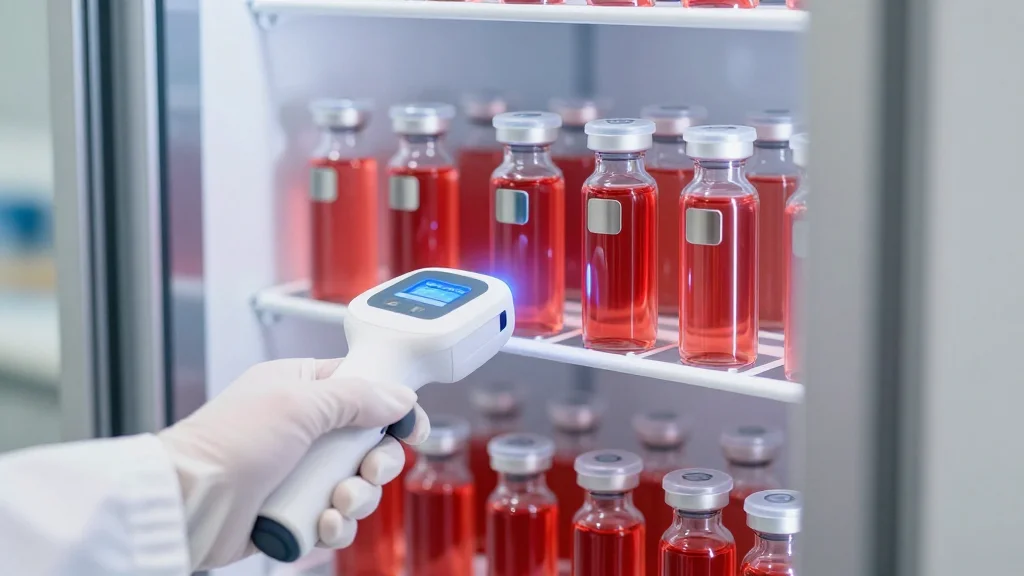
Texas Children’s Hospital’s answer was a tightly integrated RFID system built on Tecsys’s warehouse‑management platform and Zebra’s scanning hardware. By tagging every high‑value medication (units priced over $250) and storing them in RFID‑enabled refrigerators, the hospital achieved continuous, item‑level tracking of quantity, lot number and expiration date. A streamlined four‑step scan‑only workflow eliminated the original 13‑step manual tagging, while custom 3D‑printed containers ensured signal integrity and preserved manufacturer packaging. This hybrid approach—full RFID coverage in a dedicated satellite pharmacy and handheld scanning in smaller locations—allowed the solution to scale without massive capital outlay.
The financial payoff was immediate and substantial. A year‑over‑year comparison of clotting‑factor usage revealed $14 million in savings, even as patient dosing increased, thanks to precise replenishment and the elimination of “just‑in‑case” orders. Overall carrying costs dropped by more than $10 million, expired‑drug waste fell to near zero, and cycle‑counts shrank from multi‑hour tasks to under two minutes, freeing hundreds of labor hours for direct patient care. These results underscore how RFID‑driven visibility can transform pharmacy operations, offering a replicable model for other health systems seeking to curb spend, improve safety, and enhance clinical efficiency in an increasingly complex drug landscape.
Pharmacy system saves Texas Children's Hospital $14M, and that's just for starters
Comments
Want to join the conversation?
Loading comments...