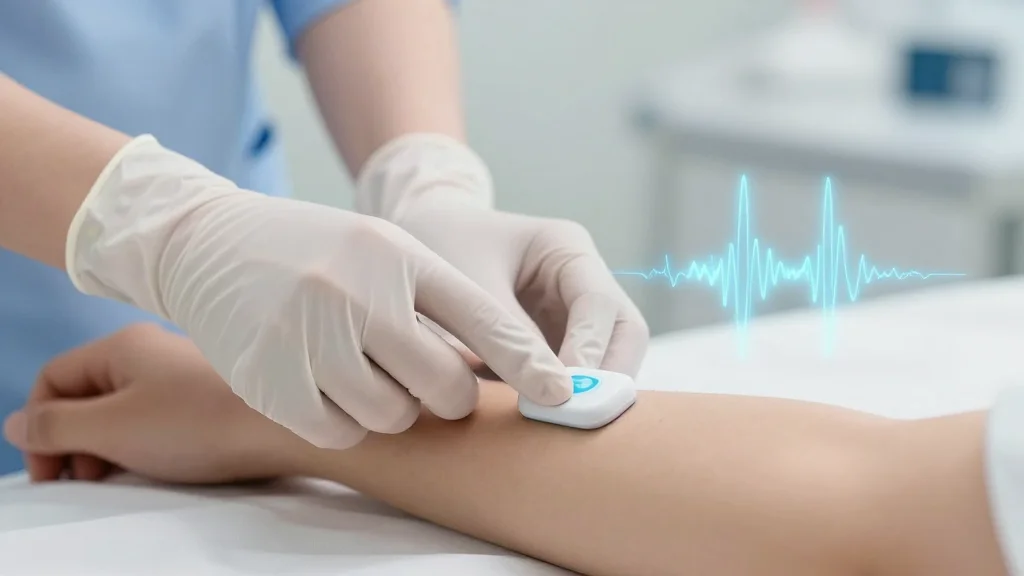
Nurses Harness AI to Help Quantify Their Instincts About Patient Care
Why It Matters
Quantifying nursing intuition augments AI accuracy, improving patient safety and reducing costly late‑stage deteriorations. It demonstrates a scalable model for blending clinical expertise with data‑driven tools across hospitals.
Key Takeaways
- •Nurses' concern predicts occult hypoxemia 46% better than vitals alone
- •Early warning AI now being fed nurse‑generated actions and worry scores
- •Study used COVID‑19 records, showing intuition works across demographics
- •Future models may include family and patient self‑ratings for richer alerts
Pulse Analysis
Nurse intuition has long been an informal safety net in hospitals, but the fast‑paced environment often forces clinicians to rely solely on objective data. Traditional early warning systems (EWS) aggregate vital signs and lab results, generating risk scores that trigger alerts when thresholds are crossed. While effective, these systems miss subtle cues that seasoned nurses pick up—changes in skin tone, patient demeanor, or unexplained fatigue—especially when vital signs appear normal. By capturing the very actions nurses take when they feel uneasy, such as extra vitals checks or unsolicited medication doses, AI can be taught to recognize patterns that precede measurable decline.
A 2024 analysis of COVID‑19 admissions at Johns Hopkins revealed that nurses expressed concern 46% more often in the four hours before occult hypoxemia was confirmed, even after controlling for standard metrics. This finding underscores that human perception adds predictive power beyond algorithms trained on physiological data alone. Researchers are now prototyping interfaces where nurses rate their worry on a 1‑10 scale, and where family or patient self‑assessments are logged alongside electronic health record inputs. Early trials suggest these subjective scores improve the sensitivity of EWS without inflating false alarms, offering a more nuanced risk stratification.
The broader implication for health systems is twofold: better patient outcomes and cost savings. Earlier detection of deterioration can reduce ICU admissions, shorten lengths of stay, and lower readmission rates—metrics that directly impact reimbursement under value‑based care models. Moreover, integrating human insight into AI aligns with regulatory pushes for explainable, clinician‑informed technology. As hospitals adopt these hybrid models, vendors will likely market “intuition‑enhanced” EWS platforms, prompting a shift toward collaborative intelligence where nurses’ expertise is quantified, validated, and amplified by machine learning.
Nurses harness AI to help quantify their instincts about patient care
Comments
Want to join the conversation?
Loading comments...