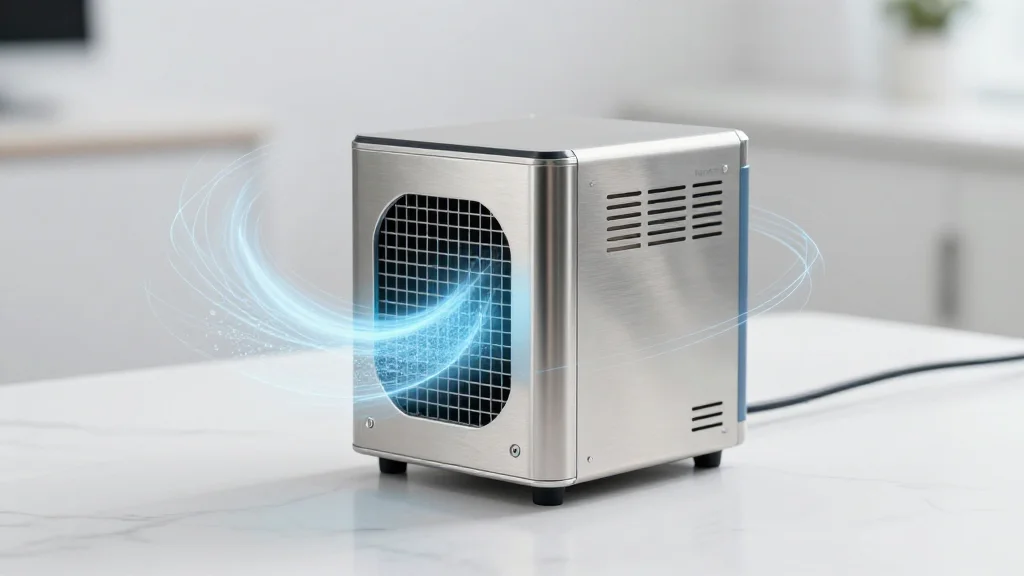
Using AI to Anticipate Healthcare Air Quality Risks
Why It Matters
Predictive air‑quality intelligence cuts hospital‑acquired infections, lowers operational costs, and safeguards vulnerable patients, making it a critical lever for healthcare quality and financial performance.
Key Takeaways
- •AI predicts airborne pathogen spikes before they occur
- •Real‑time alerts enable targeted ventilation and sterilisation
- •Reduces hospital‑acquired infections and staff sick days
- •Scalable solution for low‑resource clinics across Africa
Pulse Analysis
Indoor air quality has long been a silent threat in hospitals, where traditional monitoring relies on periodic checks or post‑incident measurements. These reactive approaches leave gaps that can allow pathogens, dust, or chemical residues to accumulate, increasing infection risk and compromising patient outcomes. As healthcare delivery intensifies, especially in high‑density wards, the need for continuous, anticipatory insight has become a strategic priority for administrators seeking to protect both clinical staff and vulnerable populations.
Artificial intelligence, paired with a network of low‑cost IoT sensors, now offers that anticipatory capability. Machine‑learning algorithms ingest real‑time data on CO₂, particulate matter, humidity, and volatile organic compounds, identifying subtle patterns invisible to human operators. In neonatal units, for example, a slight rise in humidity combined with particulate spikes can signal an impending infection cluster, prompting immediate adjustments to ventilation or localized disinfection. Similarly, infectious‑disease wards benefit from early warnings that allow facilities to pre‑emptively isolate areas, reducing transmission rates and preserving critical care capacity.
Beyond the clinical advantages, AI‑driven air‑quality platforms deliver economic and scalability benefits, especially in resource‑constrained regions like sub‑Saharan Africa. Predictive alerts reduce unnecessary broad‑scale ventilation, cutting energy costs while focusing interventions where they matter most. The technology also aligns with emerging regulatory frameworks that demand proactive risk management, positioning early adopters for compliance incentives. As hospitals worldwide recognize the ROI of preventing infections—both in reduced treatment expenses and improved patient satisfaction—investment in predictive air‑quality solutions is poised to accelerate, reshaping safety standards across the entire healthcare ecosystem.
Using AI to Anticipate Healthcare Air Quality Risks
Comments
Want to join the conversation?
Loading comments...