
Stroke Prevention Devices for TAVR Fail to Make an Impact
A new meta‑analysis of eight randomized trials involving more than 11,000 transcatheter aortic valve replacement (TAVR) patients found that cerebral embolic protection devices (CEPDs) did not significantly lower overall, disabling, or non‑disabling stroke rates. Roughly half of the participants received a CEPD, yet mortality, transient ischemic attacks, bleeding, kidney injury, delirium and pacemaker implantation were comparable across groups. The study underscores that while CEPDs reliably capture debris, the clinical benefit remains unproven. Researchers call for further investigation and caution against routine, costly adoption.

Techcyte Raises $15M to Expand AI Diagnostics Platform
Techcyte closed a $15 million funding round led by Van Tuyl Companies to scale its AI‑powered Fusion platform. The round brings strategic partners such as Zoetis and the Mayo Clinic, granting access to a 17 million‑slide dataset. Fusion integrates anatomic and clinical pathology,...

RFK Jr. Wants Stakeholders To Show Real-Time Prices Ahead Of Final Regulation
HHS Secretary Robert F. Kennedy Jr. is urging health‑care providers and health‑IT firms to deploy Real‑Time Pharmacy Benefit Technology (RTPBT) immediately, rather than waiting for formal rulemaking. RTPBT enables patients to see the exact out‑of‑pocket cost of prescription drugs at...

Noninvasive Proton Beam Therapy Safe for VT Ablation: Early Series
A first‑in‑human feasibility study at Mayo Clinic showed that noninvasive proton‑beam radioablation can be delivered safely to patients with refractory ventricular tachycardia (VT). Seven high‑risk patients underwent meticulous imaging‑guided planning and received a single proton dose, with no acute cardiac...

It’s Time to Take Genetic Testing Off the Pedestal
Genomic testing, once a specialist‑only tool, is now technologically mature and affordable, yet it remains underused in routine care. Advances in sequencing speed, AI‑driven interpretation, and large data sets have removed most technical barriers. Patients are increasingly seeking molecular insights,...

Registration Opens for Virtual CMS Event on Interoperability
The Centers for Medicare & Medicaid Services (CMS) opened registration for a virtual event focused on health‑care interoperability, inviting over 1,000 hospital and health‑system leaders. The event will showcase a new CMS‑FDA collaborative pathway designed to accelerate market entry for...

AI, Gene Therapies Drive Market Trends in Eye Care
In 2026 the ophthalmology market is being reshaped by gene‑therapy breakthroughs and the emergence of agentic AI, according to Boston Consulting Group’s Long Sha. Gene‑based treatments are moving beyond rare retinal disorders into chronic conditions such as wet age‑related macular...

AI Is Forcing Even Insurance’s Most Cautious Players to Move Fast
AI is reshaping the insurance and healthcare sectors at a speed unprecedented for an industry built on caution. Jake Sloan, Appian’s VP of global insurance, highlighted that insurers can now move from pilot projects to full production in weeks, not...
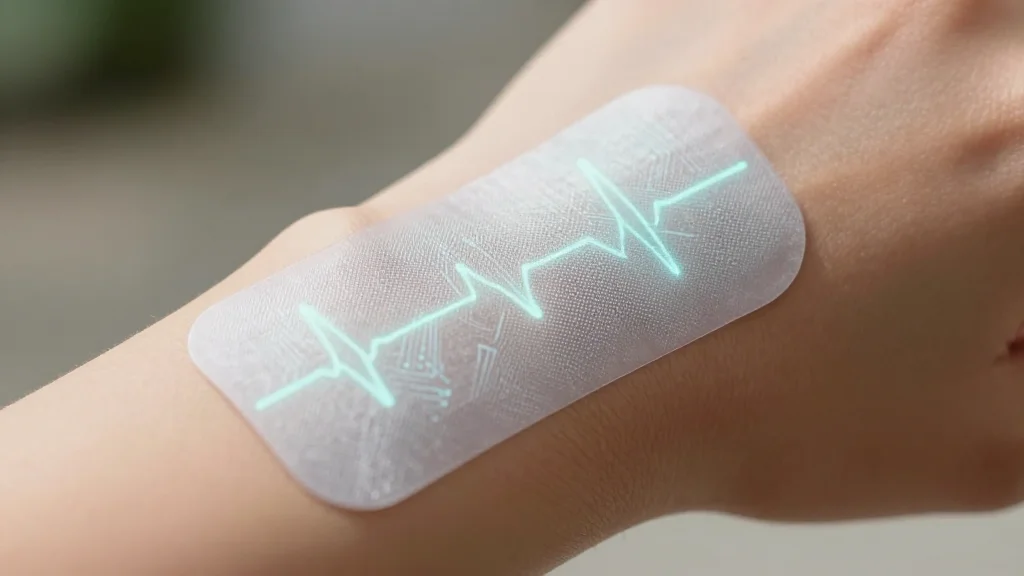
Battery-Free Skin-Conformal Wearable System Can Measure Electrocardiogram Signals
A research team led by Prof. Jerald Yoo at Seoul National University unveiled SkinECG, a skin‑conformal wearable that records electrocardiogram signals without a battery. The device uses an Orthogonal Energy Harvesting Network to wirelessly deliver power harvested from multiple on‑body...
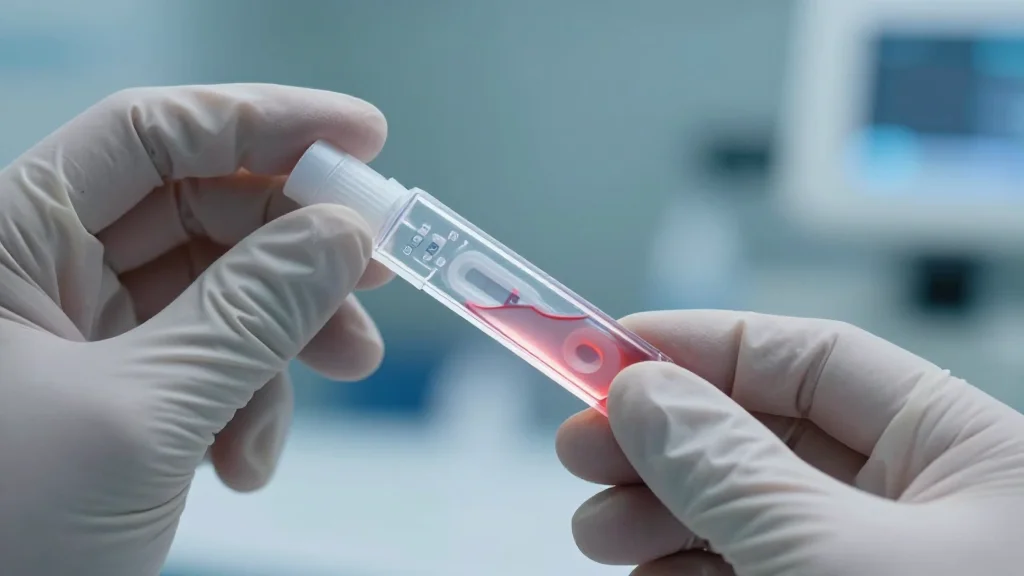
Faster and Easier Ways to Diagnose Mpox: New Approaches Improve Detection
A review in *Trends in Biotechnology* outlines new point‑of‑care (POC) diagnostic platforms for Mpox, highlighting isothermal amplification, CRISPR‑based assays, biosensors and AI‑enhanced lesion imaging. The authors argue these tools can approach PCR sensitivity while eliminating the need for complex labs....
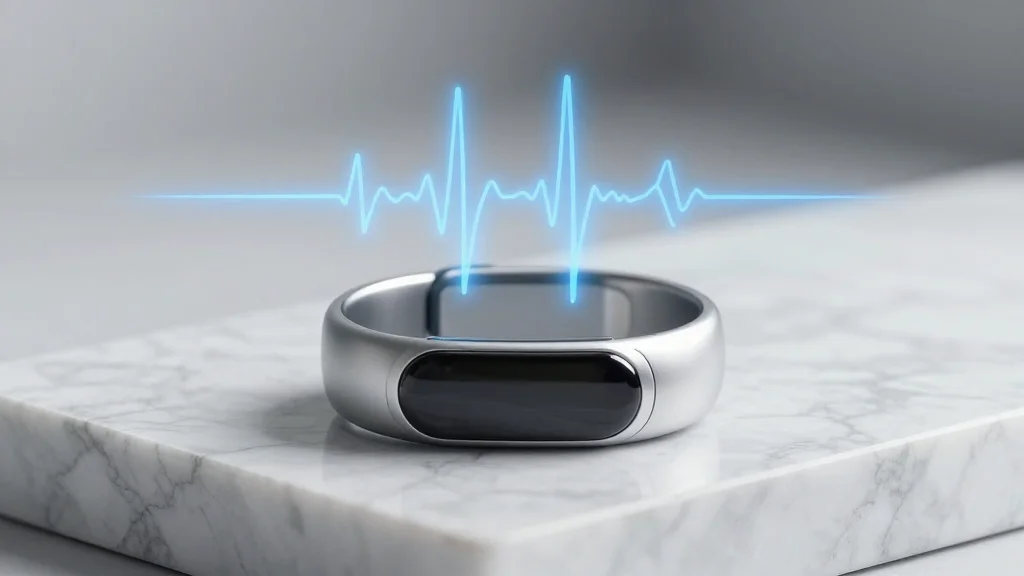
CMS Bets on Tech as US Healthcare Hits ‘Inflection Point’
CMS deputy administrator Chris Klomp told the Chamber of Commerce that the U.S. health system is at an inflection point and urged private‑sector innovators to bring commercial tech solutions to Medicare. He highlighted two new CMS initiatives: the ACCESS Model,...

Maine Health System Lays Off 38 IT Staff After EHR Upgrades
Central Maine Healthcare in Lewiston is cutting 38 IT positions as it retires legacy systems and rolls out a new Epic MyChart portal for patient scheduling. The layoffs follow Prime Healthcare Foundation’s February acquisition, which has already begun modernizing the...

Trice Imaging Accelerates Growth in Women’s Health Sector
Trice Imaging unveiled a suite of upgrades to its FDA‑cleared Tricefy platform, adding dynamic reports synced with growth charts, expanded patient history capture, and a revamped Single Sign‑On security module. The company announced new market‑access partnerships with ModMed’s synapSYS and...

One Mississippi Health System's Journey to a System-Wide Epic EHR
South Central Regional Medical Center launched a system‑wide Epic electronic health record across five sites, tackling fragmented legacy systems and data silos. The "Race to Epic" framework aligned clinicians, administrators, and IT staff around clear milestones, shared accountability, and intensive...

Accountable Care Leaders Spotlight Next Phase of AI at NAACOS 2026 Spring Meeting
At the NAACOS Spring 2026 meeting in Baltimore, leaders highlighted the transition of AI from pilot projects to operational tools across accountable care organizations. CMS announced a voluntary health‑tech ecosystem that standardizes identity‑verified data exchange and links patient‑facing AI apps...
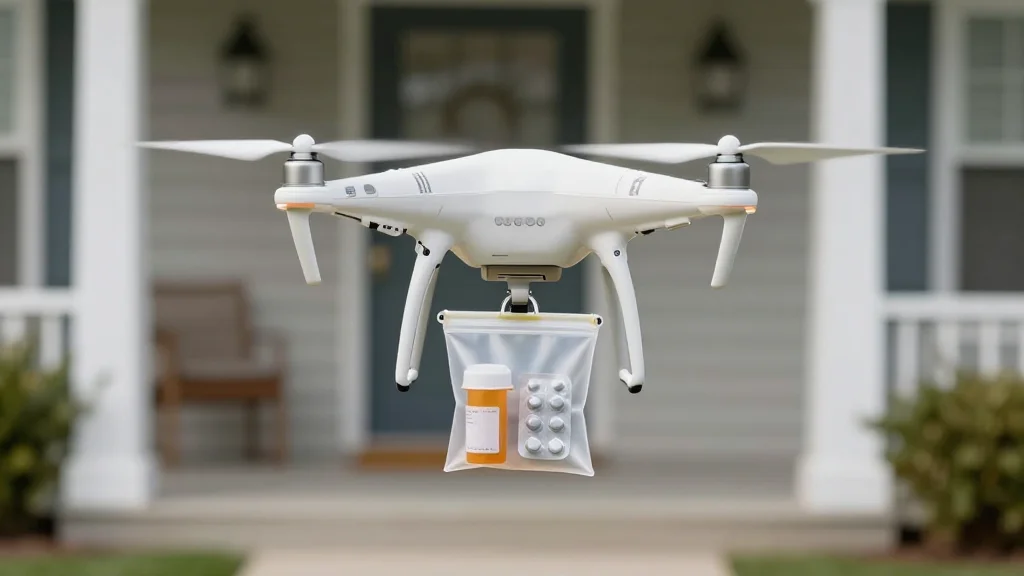
Pharmacy Deliveries Take Flight: Can Drones Solve America’s Pharmacy Access Gap?
Drone delivery of medications is moving from pilot testing to early operational use across the United States. Federal Aviation Administration Part 135 certification now permits beyond‑visual‑line‑of‑sight flights, enabling compensated, temperature‑controlled shipments to remote patients and health‑system hubs. Studies estimate between 15.8 million...

How BJC HealthCare Got Better at Advanced Care Planning Discussions
BJC HealthCare, a 14‑hospital system, built a machine‑learning algorithm to flag patients at high risk of dying within 30 days and trigger opt‑out advanced care planning (ACP) conversations. By standardizing provider training and embedding the workflow across inpatient, ICU, primary‑care...

Physics-Guided Network Eliminates Honeycomb Artifacts in Fiber Endoscopy
Researchers have unveiled SGARNet, a physics‑guided neural network that eliminates honeycomb artifacts in lensless multi‑core fiber endoscopy. By analyzing the hexagonal core lattice’s frequency signatures, the system embeds a SpectralGate module that selectively filters artifact‑related spectral peaks while preserving image...

Q&A: AI Platform Targets Clinical Chart Insights Beyond LLM Limits
Dyania Health’s Synapsis AI platform tackles clinical chart review by answering precise, context‑driven questions rather than producing generic summaries. The system was built on roughly 25,000 physician‑annotated hours and is designed to surface nuanced signals for care decisions, trial eligibility, and...

CAQH Index Finds $20 Billion in Cost Savings Opportunities
The 2025 CAQH Index, which surveys 600 provider organizations covering 63% of insured lives, estimates over $20 billion in cost‑saving opportunities if automation of medical and dental workflows is expanded. Electronic prior‑authorization adoption rose to 40%, while other electronic processes remained...
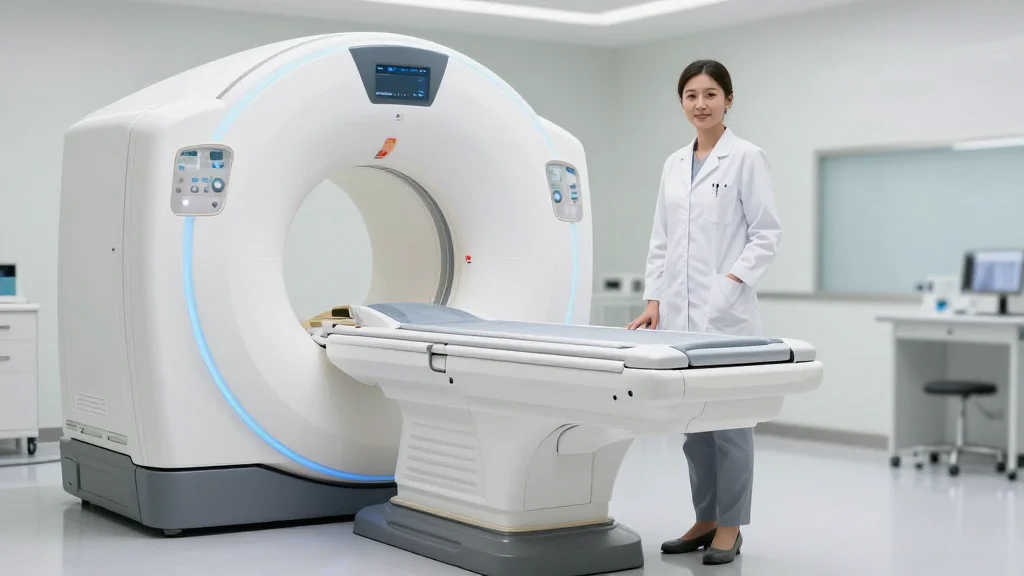
How Expert Radiology Scaled a National Teleradiology Practice
Expert Radiology Management Services, founded in 2020, has built a national subspecialty teleradiology network that now spans all 50 states, 350+ imaging facilities, and a 26‑physician team. By adopting RamSoft’s PowerServer with PowerReader, the practice achieved sub‑6‑second study loading and...
How Healthcare Can Prepare for Quantum Computing
Health systems are being urged to modernize legacy IT and develop migration roadmaps after NIST officially approved a suite of post‑quantum cryptographic algorithms. Mike Nelson, DigiCert’s field CTO, warns that existing encryption in electronic medical records and patient portals is...

Policy Watch: FDA Looks to Expand Real-Time Drug Clinical Trials
The FDA has launched an AI‑driven pilot that streams clinical‑trial data in real time for AstraZeneca and Amgen’s lymphoma and lung‑cancer studies, and is now seeking public input to broaden the approach. The Ninth Circuit Court declined to compel the...
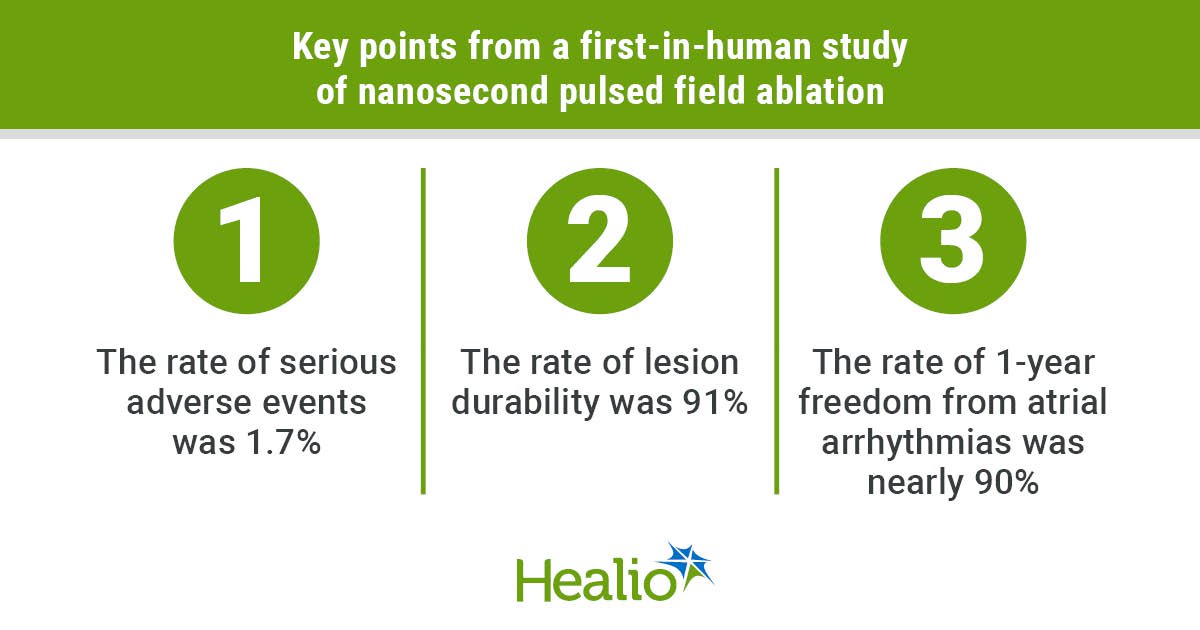
Novel Pulsed Field Ablation Technology ‘Works’
A first‑in‑human trial of Pulse Biosciences' nanosecond pulsed‑field ablation (CellFX nsPFA 360) treated 177 patients with paroxysmal atrial fibrillation. The catheter delivered >10,000 V nanosecond pulses, achieving 100% acute lesion success and 91% durability at 2‑3 months. At one year, 89.7% of patients remained free...

The Multimodal Explosion: Why 2026 Breaks the AI Paradigm
In 2026 AI transitions from isolated tools to multimodal platforms that fuse transcripts, labs, notes, and device data, closing the "Synthesis Gap" in clinical workflows. This integration enables "minimal‑click" medicine, surfacing critical information in real time and freeing clinicians to...

AI: Are Psychiatric Times, MJH Life Sciences the Past or Future of Psychiatry?
The article contends that Psychiatric Times, owned by MJH Life Sciences, has contributed little to neuroscience‑driven psychiatry despite four decades of publication, a shortcoming that becomes stark as AI mental‑health therapists gain traction. It argues that meaningful progress requires linking...
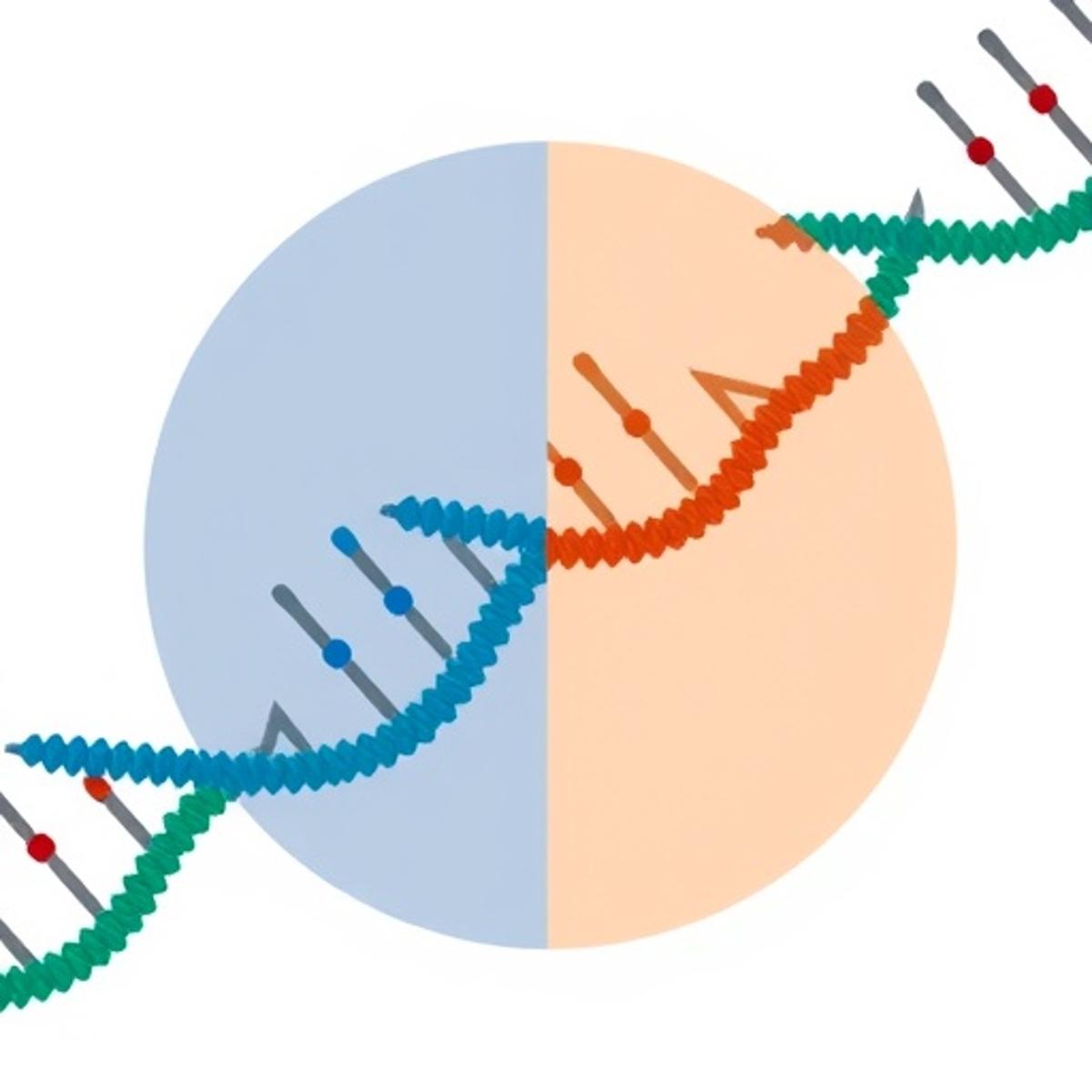
Programmable RNA Targeting via DNA-Guided CRISPR-Cas12a
A team of molecular biologists has reengineered the CRISPR‑Cas12a nuclease to cleave RNA using a DNA guide, creating a programmable RNA‑targeting platform. The DNA‑guided Cas12a system achieved up to 90% knockdown of endogenous transcripts in human cell lines and functioned...

Collaborating Generalist and Specialist AI Advances Medicine
Researchers introduced the Generalist‑Specialist Collaboration (GSCo) framework, pairing the MedDr open‑source generalist foundation model with lightweight specialist models for medical AI. In evaluations across 32 diverse datasets—including radiology, pathology, dermatology, and ophthalmology—GSCo consistently outperformed both the standalone generalist and individual...

Introducing Two New Hormonal Health Features: Birth Control Support and Menopause Insights
Oura announced two new experiences in its app—Hormonal Birth Control support within Cycle Insights and Menopause Insights—aimed at delivering personalized guidance during hormonal changes. The features integrate continuous biometric data from the Ring with self‑reported hormone information, providing symptom tracking,...

If AI Replaces Radiologists, Who Owns The Outcome?
The article argues that AI will not replace radiologists; instead, it reshapes the responsibility chain in imaging care. While AI can accelerate detection and reduce workload, the radiologist’s role in communicating findings and ensuring follow‑up remains essential. The real challenge...
Theradaptive Receives US FDA Approval to Initiate P-III Trial of OsteoAdapt SP for Spinal Fusion Procedures
Theradaptive has secured U.S. FDA approval to launch the pivotal OASIS Phase III trial evaluating its OsteoAdapt SP device as a bone‑graft alternative in transforaminal, anterior, and lateral lumbar interbody fusion (TLIF, ALIF, LLIF) procedures. The trial follows earlier studies involving...

The Quiet Revolution in Battery Technology That’s Powering Your Next Artificial Heart
Inspired Energy is spearheading a quiet revolution with smart lithium‑ion battery packs that embed microcontrollers for real‑time monitoring of charge, temperature, and health. The technology targets medical and robotics OEMs, offering FDA‑compliant safety, higher energy density, and dynamic power delivery...
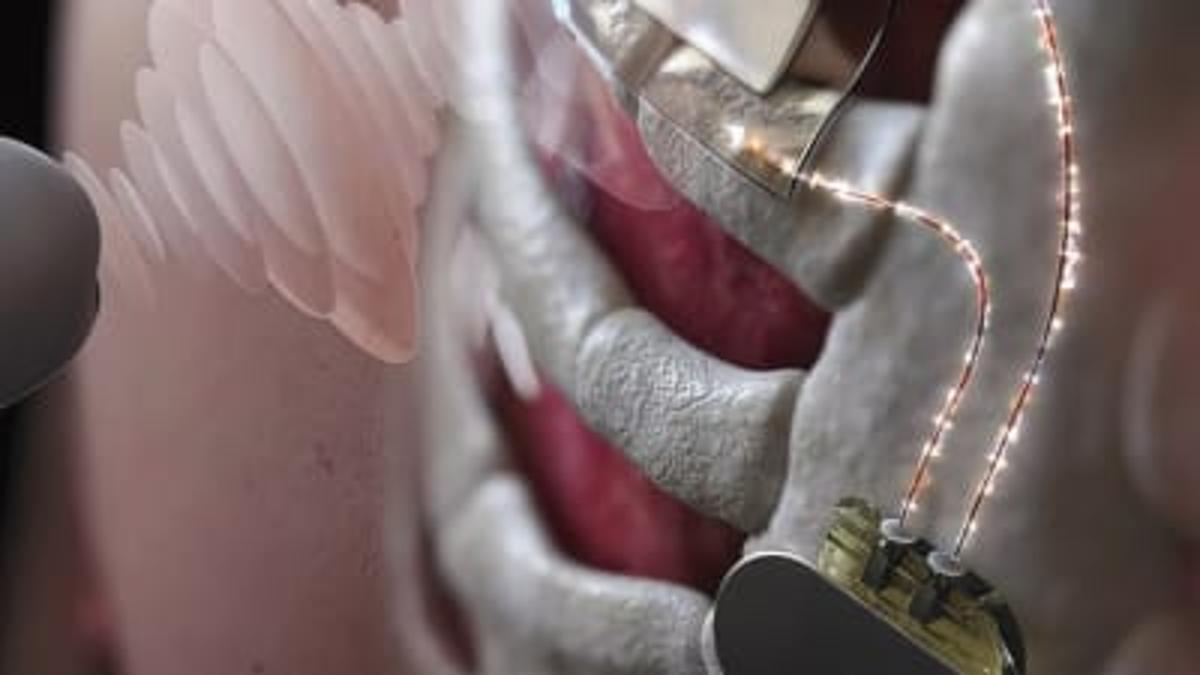
Ultrasound as a New Wireless Power Transfer Technology
A research team from Korea Institute of Science and Technology and Korea University has created a biocompatible ultrasonic receiver that can bend without losing performance. The device converts ultrasonic waves into electricity, delivering 20 mW at 3 cm underwater and 7 mW through...

Smarter AAVs Drive Gene Therapy’s Next Chapter
Gene therapy’s growth is hampered by AAV manufacturing bottlenecks, safety concerns, and high costs, prompting a wave of innovations across bioprocessing, analytics, and vector design. Companies like Thermo Fisher, PackGene, Catalent, and Asimov are deploying design‑space modeling, high‑throughput purification, and...

OpenAI’s Big Reset + A.I. in the Doctor’s Office + Talkie, a Pre-1930s LLM
OpenAI announced a looser partnership with Microsoft and a new aggressive plan to secure additional computing power, signaling a shift in its growth strategy amid investor pressure and a legal clash with Elon Musk. The move aims to accelerate model...
The Cost of Inefficiencies in Clinical Trials
Clinical trials are hampered by fragmented technology, leading to roughly 45% higher costs compared with unified platforms. Integration fees, duplicate data entry, and managing multiple vendors add significant expense and delay timelines. Unified data‑management solutions such as CRScube claim 50‑60%...

ECRI Urges Congress to Strengthen Regulatory Transparency for Digital Health and CDS Tools
ECRI, a nonprofit patient‑safety group, submitted recommendations to the House Energy and Commerce Subcommittee urging stronger regulatory transparency for digital health and clinical decision‑support (CDS) tools. The organization warns that many wellness devices—such as blood‑pressure and glucose monitors—operate without FDA...

AI Scribes Save Clinicians Time but Fail to Reduce Overtime Work
A multisite JAMA study found AI‑powered scribes trim clinicians' electronic health record (EHR) documentation by about 13 minutes and boost weekly patient visits by roughly half a visit per provider. The time savings translate into an estimated $167 extra monthly...

Google Deepmind's "AI Co-Clinician" Beats GPT-5.4 in Blind Doctor Tests but Still Trails Experienced Physicians
Google DeepMind unveiled an "AI co‑clinician" that assists doctors while keeping clinicians in charge. In blind trials it beat an existing clinical AI system 67‑26 and OpenAI's GPT‑5.4‑thinking‑with‑search 63‑30 on 98 primary‑care queries, and scored 73.3% on the RxQA drug‑knowledge...
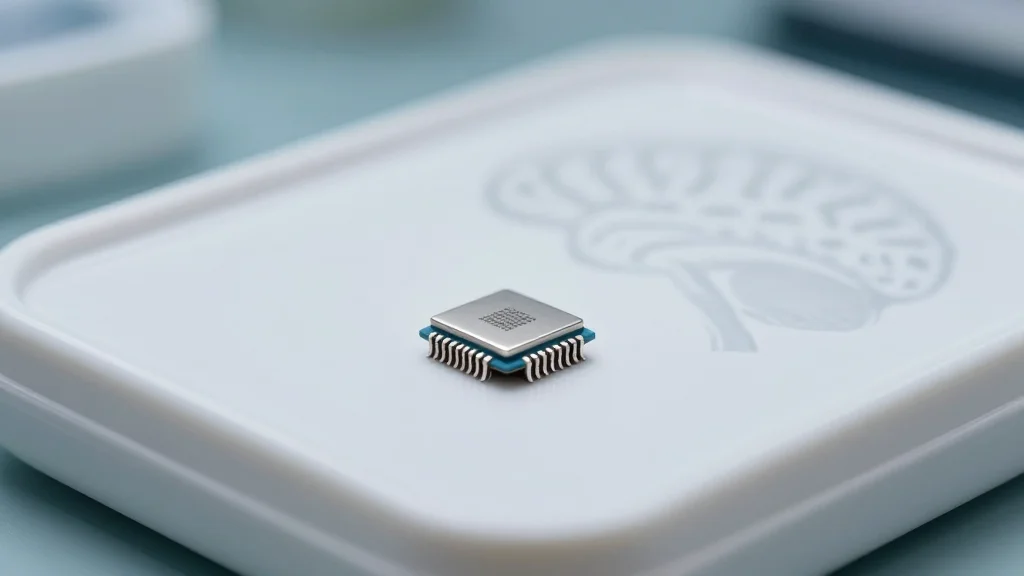
MintNeuro and Motif Neurotech Collaborate for Mental Health Therapies
MintNeuro and Motif Neurotech have entered a multi‑year commercial supply agreement to integrate MintNeuro’s low‑power neural interface chips into Motif’s clinical‑stage implant platform. The partnership will support pre‑clinical, early‑clinical and pivotal trials targeting depression, bipolar disorder and treatment‑resistant depression. Motif...

What Are the Chances AI Will Give You Accurate Health Advice? 50/50, Says a New Study
Researchers evaluated five leading AI chatbots, including Gemini and ChatGPT, on 50 medical questions across topics such as cancer, vaccines, nutrition, and athletic performance. Expert reviewers found that overall accuracy was roughly 50%, with 49.6% of responses deemed problematic and...

How Fast Your Face Ages May Predict Cancer Survival Outcomes
A new AI tool called FaceAge, trained on 40 million facial images, estimates biological age from routine photographs and quantifies a facial‑aging‑rate (FAR). In a retrospective analysis of 2,276 radiation‑therapy patients, a high FAR increased mortality risk by 25 % over 10‑365 days,...

STAT+: Her Daughter Mila Got a Bespoke Medicine. Now She’s Starting a New Biotech to Make More
Julia Vitarello, whose eight‑year‑old daughter Mila was treated with a tailor‑made gene therapy, announced she is launching a new biotech to scale individualized medicines. Her previous company, EveryONE Medicines, folded after FDA guidance on custom therapies proved insufficient for investors....

NHS England Seeks Market Engagement on End-to-End Diagnostic Testing Pathways for NHS Online
NHS England has issued a preliminary market engagement notice to assess the feasibility of end‑to‑end diagnostic testing pathways for its upcoming NHS Online virtual hospital service. The engagement will inform a future commercial contract valued at roughly £160,000 (about $200,000)...
Digital Tool to Analyse Maternity Data
The NHS is launching the Maternal Outcomes Signal System (MOSS), a digital platform that rapidly analyses routine maternity data to highlight emerging safety concerns. The tool will generate six‑month reports, prompting trusts to act on identified risks. The government has...

Scientists Build Drug-Carrying DNA Robots to Target Diseases
Scientists have engineered microscopic DNA robots that can carry therapeutic payloads and seek out viruses, acting as nano‑surgeons within the bloodstream. By applying origami‑inspired rigid joints and flexible components, the robots achieve nanometer‑scale precision. Movement is programmed through DNA strand...

Digital Twins of the Human Body
The EuroHPC‑backed dealii‑X project is turning digital twins of the human body into a clinical tool by leveraging exascale computing and AI‑driven physics models. Early work shows organ‑level simulations that can predict how mechanical ventilation affects individual lungs, model blood...

Beacon Biosignals Is Mapping the Brain During Sleep
Beacon Biosignals has launched an FDA‑cleared, lightweight EEG headband that records clinical‑grade brain activity while users sleep at home. The device’s machine‑learning platform extracts detailed sleep‑stage metrics and subtle architecture changes, supporting more than 40 global clinical trials for conditions...

New Genetic Risk Report Reveals Hidden Heart Disease Risk Before Symptoms Appear
A JACC study validated an integrated polygenic risk‑score (PRS) panel for eight cardiovascular conditions using 245,394 All of Us participants and 53,306 Mass General Brigham Biobank members. The report stratifies risk, with the top 10% showing a 41‑fold odds for...

Patients in Rural Communities Struggle to Access Newer Tumor-Targeting Radiotracers
A recent Journal of the American College of Radiology paper reveals that the shift to gallium‑68 PET radiotracers for neuroendocrine tumors, while clinically superior, has created significant access hurdles for rural patients due to the isotope’s 68‑minute half‑life. Medicare claim...