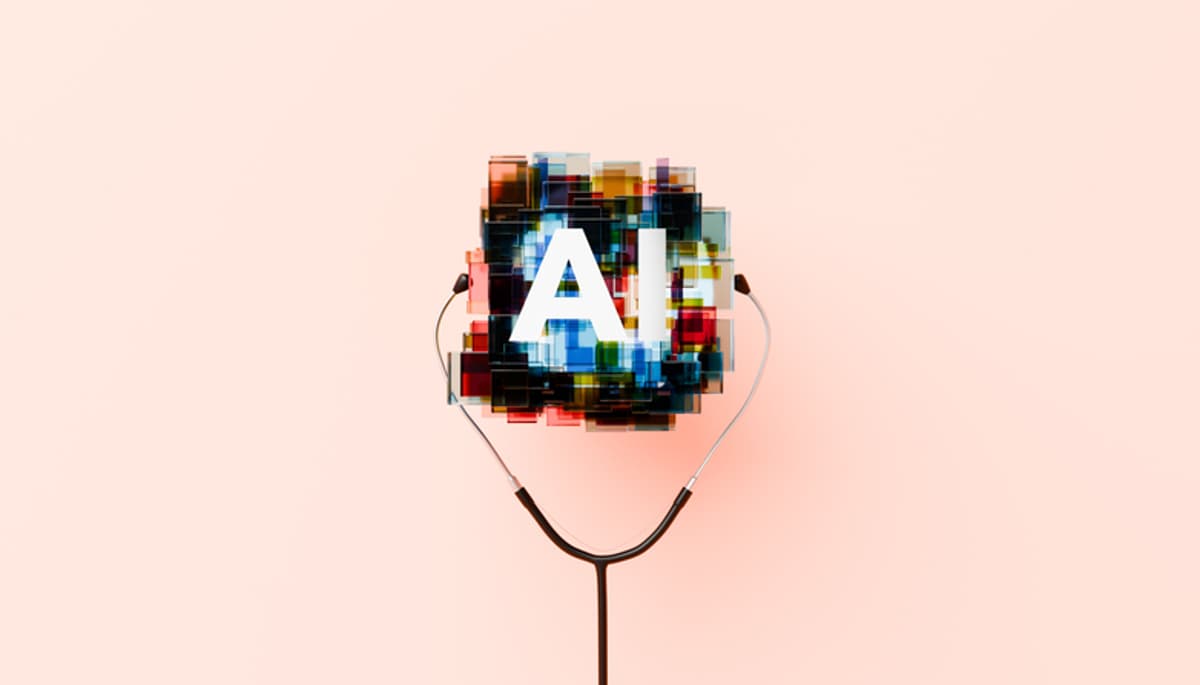
The Multimodal Explosion: Why 2026 Breaks the AI Paradigm
Why It Matters
Multimodal AI consolidates fragmented health data, improving diagnostic speed, efficiency, and patient‑clinician rapport, while compelling vendors and health systems to adopt auditable, trustworthy models.
Key Takeaways
- •2026 marks shift to AI that fuses multiple clinical data types
- •Multimodal AI aims for “minimal‑click” visits, reducing clinician data entry
- •Traceability becomes mandatory as integrated AI outputs must be auditable
- •Real‑time synthesis can boost diagnostic speed and patient eye contact
- •Vendors must balance seamless AI with strict governance to avoid black boxes
Pulse Analysis
The explosion of biomedical data—doubling in volume within months—has outpaced clinicians’ ability to synthesize information during a typical fifteen‑minute visit. Traditional AI solutions, built for single tasks such as transcription or imaging analysis, leave physicians juggling silos of patient history, lab trends, and device metrics. Multimodal AI bridges this divide by ingesting diverse data streams and presenting a unified, context‑aware view, effectively acting as a real‑time cognitive partner that mirrors the holistic reasoning of a seasoned clinician.
When AI can automatically surface the most relevant lab result, specialist note, or social determinant alongside the live conversation, the workflow shifts from manual data hunting to "minimal‑click" medicine. Doctors spend fewer minutes toggling screens and more time maintaining eye contact, which research links to higher patient satisfaction and better adherence. Early adopters report faster treatment adjustments for chronic conditions like diabetes and hypertension, as the AI highlights recent medication changes or trend deviations without extra clicks. This efficiency gain translates into measurable cost savings and supports value‑based reimbursement models that reward outcomes over volume.
However, the power of integrated AI brings heightened responsibility. Health systems and regulators will demand end‑to‑end traceability, ensuring every recommendation can be linked to its source data point. Vendors must embed explainability into model design, avoiding opaque black‑box outputs that could erode clinician trust. As the industry navigates this balance, the firms that deliver transparent, auditable multimodal solutions will set the standard, driving widespread adoption and ultimately restoring the human touch at the heart of primary care.
The Multimodal Explosion: Why 2026 Breaks the AI Paradigm
Comments
Want to join the conversation?
Loading comments...