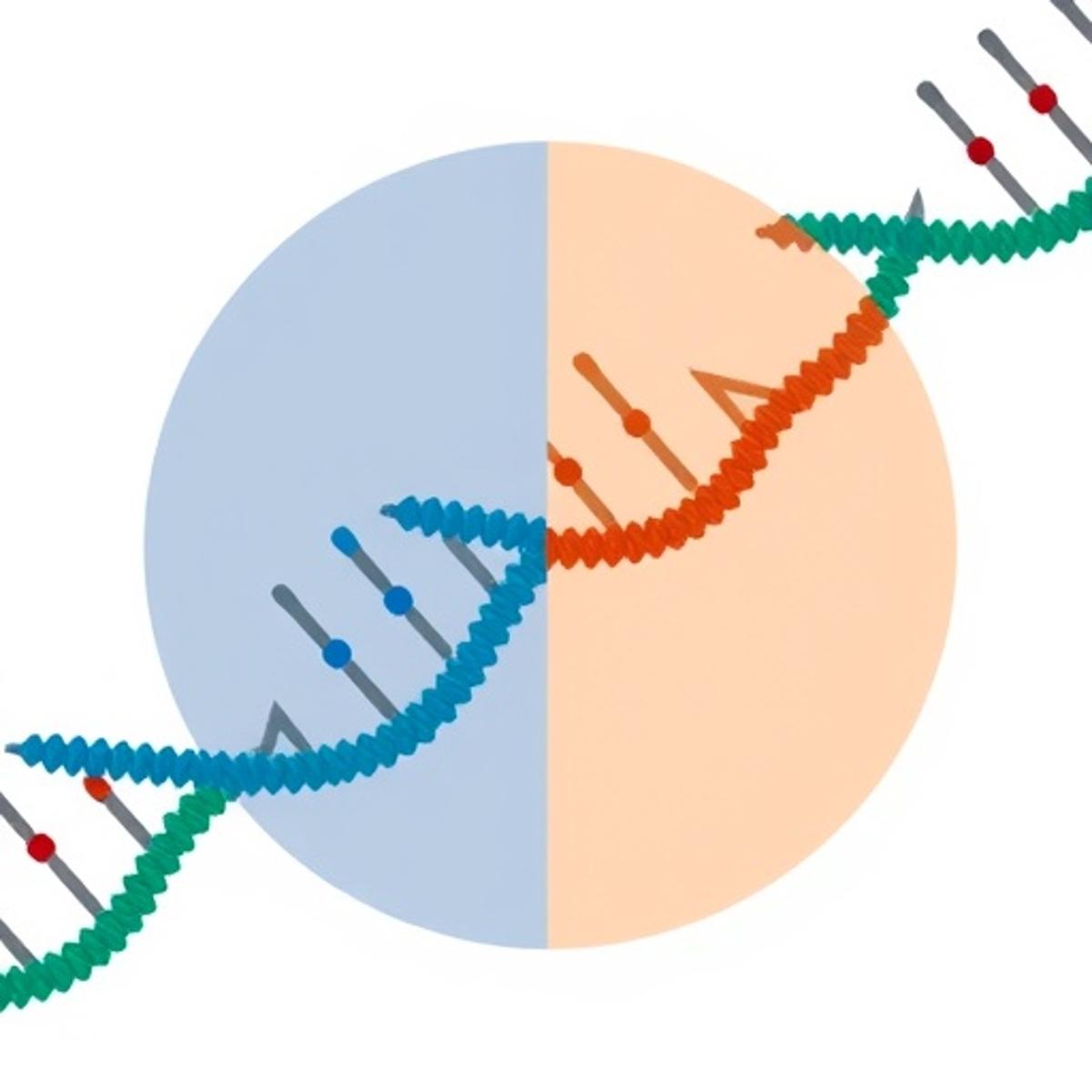
Programmable RNA Targeting via DNA-Guided CRISPR-Cas12a
Why It Matters
By expanding CRISPR’s toolkit to precise, DNA‑guided RNA editing, the technology opens new avenues for treating RNA‑based diseases and viral infections while simplifying delivery compared with protein‑based RNA editors.
Key Takeaways
- •DNA-guided Cas12a achieves 90% RNA knockdown in human cells
- •System works without protospacer adjacent motif constraints
- •Enables simultaneous targeting of up to 5 transcripts
- •Demonstrated therapeutic potential for viral RNA and disease genes
- •Compatible with existing CRISPR delivery platforms
Pulse Analysis
The emergence of DNA‑guided Cas12a for RNA targeting marks a pivotal shift in gene‑editing strategies. Traditional RNA‑focused CRISPR systems, such as Cas13, rely on RNA guides and are hampered by delivery challenges and off‑target activity. By repurposing Cas12a—a nuclease already proven in DNA editing—researchers exploit its robust protein architecture while sidestepping PAM constraints, enabling flexible guide design across the transcriptome. This hybrid approach merges the precision of DNA‑guided targeting with the functional versatility needed for transient RNA modulation.
Beyond the technical novelty, the platform’s ability to multiplex up to five RNA targets simultaneously addresses a critical bottleneck in therapeutic development. Complex diseases often involve dysregulation of multiple genes, and viral pathogens present rapidly mutating RNA genomes. Demonstrated knockdown efficiencies approaching 90% in cultured human cells suggest that Cas12a‑RNA can achieve therapeutic thresholds comparable to antisense oligonucleotides but with a single, programmable construct. Moreover, the system’s compatibility with established viral vectors and lipid nanoparticle delivery methods accelerates its path to pre‑clinical and clinical testing.
Industry analysts view this breakthrough as a catalyst for a new wave of RNA‑centric therapeutics. Investors are likely to monitor licensing deals and partnerships as biotech firms seek to integrate DNA‑guided RNA editing into pipelines targeting neurodegenerative disorders, rare genetic diseases, and emerging viral threats. The convergence of CRISPR’s scalability with RNA’s transient nature could reshape the competitive landscape, driving competition between traditional small‑molecule RNA modulators and next‑generation gene‑editing platforms. As regulatory frameworks evolve, the ability to fine‑tune gene expression without permanent DNA alteration may become a decisive advantage in safety‑focused drug development.
Programmable RNA Targeting via DNA-Guided CRISPR-Cas12a
Comments
Want to join the conversation?
Loading comments...