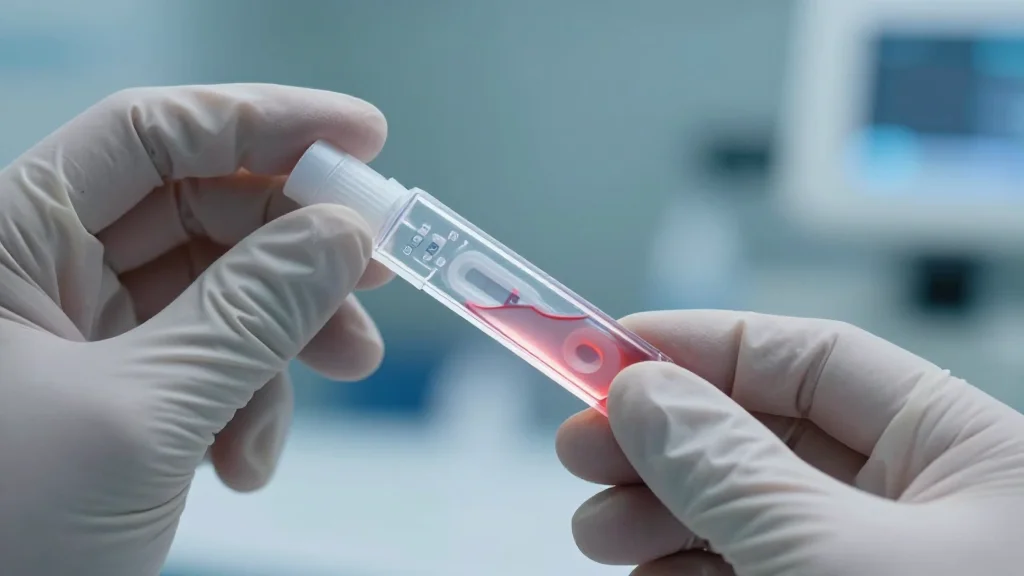
Faster and Easier Ways to Diagnose Mpox: New Approaches Improve Detection
Why It Matters
Rapid, affordable Mpox testing enables faster isolation and treatment, especially in low‑resource regions where outbreaks can spread unchecked. It also reduces reliance on centralized labs, easing global surveillance burdens.
Key Takeaways
- •LAMP and RPA achieve near‑PCR sensitivity without thermal cyclers
- •CRISPR‑Cas assays differentiate Mpox clades in a single‑tube reaction
- •AI image classifiers can triage lesions where specialists are scarce
- •Electrochemical biosensors and paper‑based chips aim for true field deployment
- •Integration of connectivity fulfills the REASSURED framework’s real‑time data need
Pulse Analysis
The resurgence of Mpox since the 2022 global outbreak exposed a critical gap in diagnostic capacity. Traditional PCR, while highly accurate, demands expensive thermocyclers, cold‑chain reagents and trained technicians—resources that many endemic or emerging hotspots lack. Consequently, public‑health officials have turned to point‑of‑care solutions that can be deployed in clinics, mobile units, or even at home, reducing turnaround times from days to minutes and enabling immediate case isolation.
Among the most promising technologies are isothermal amplification methods such as loop‑mediated isothermal amplification (LAMP) and recombinase polymerase amplification (RPA). Both operate at a constant temperature, eliminating the need for complex equipment, and recent studies report sensitivities rivaling PCR when paired with fluorescent readouts. CRISPR‑Cas systems have taken this a step further, coupling sequence‑specific cleavage with lateral‑flow or electrochemical detection to deliver single‑tube, clade‑specific results. Parallel advances in biosensor design—electrochemical chips, paper‑based microfluidics, and 3D‑printed cartridges—are driving down costs and simplifying sample handling, making large‑scale field deployment feasible.
The next frontier lies in integrating these molecular tools with artificial‑intelligence platforms that analyze lesion photographs via smartphones. Such AI‑driven triage can flag probable Mpox cases for confirmatory testing, extending diagnostic reach into remote communities lacking dermatologists or infectious‑disease experts. However, scaling these solutions requires addressing reagent stability, manufacturing scalability, and regulatory pathways. As governments and NGOs prioritize pandemic preparedness, investment in REASSURED‑compliant, connected diagnostics is likely to accelerate, positioning Mpox testing as a model for rapid response to emerging zoonotic threats.
Faster and easier ways to diagnose Mpox: New approaches improve detection
Comments
Want to join the conversation?
Loading comments...