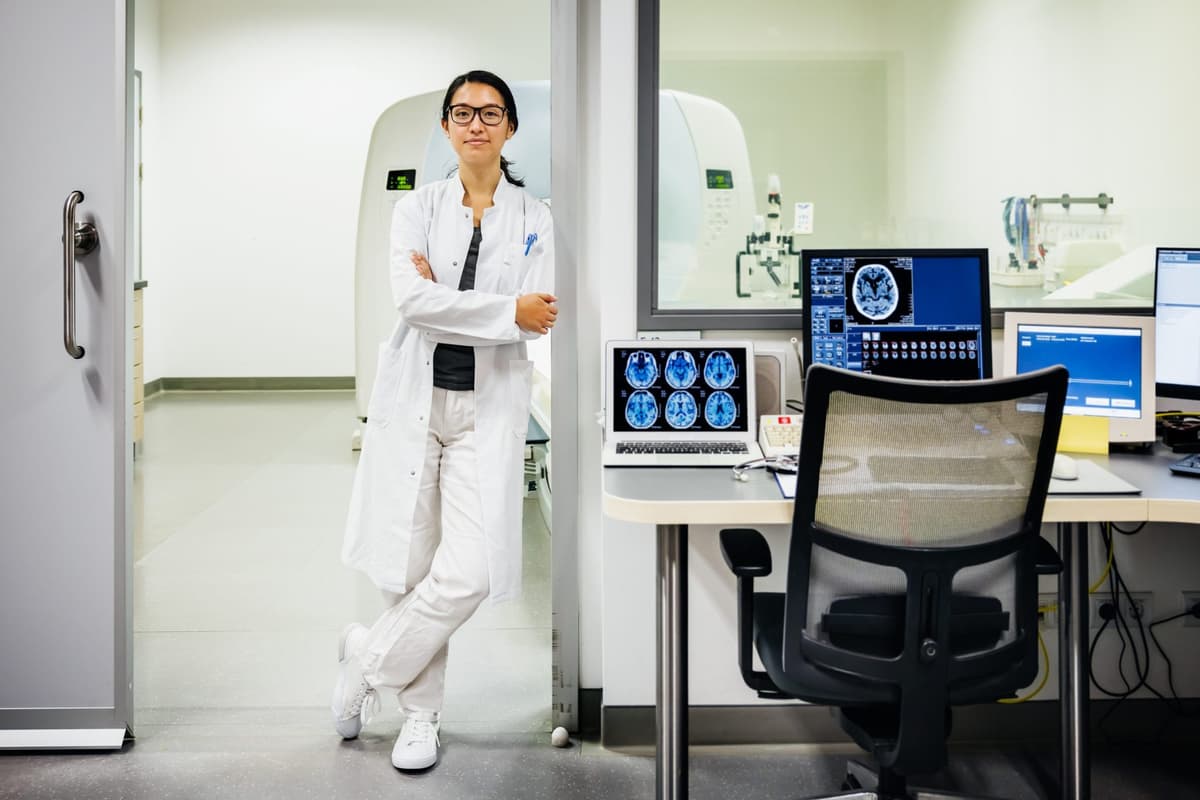
A Decade After the ‘Godfather of AI’ Said Radiologists Were Obsolete, Their Salaries Are up to $571K and Demand Is Growing Fast
Why It Matters
The surge underscores that AI is reshaping rather than eliminating high‑skill medical jobs, signaling broader labor market implications for other professions facing automation.
Key Takeaways
- •Radiologist numbers grew 10% in U.S. over past decade
- •Average radiology salary hit $571K in 2025, up 9% YoY
- •4,333 radiology jobs open, 130‑day average fill time
- •AI tools boost efficiency but cannot replace patient interaction
- •Shortage persists as Medicare requires physician‑signed reads and case load rises 25%
Pulse Analysis
When Geoffrey Hinton declared radiology dead in 2016, the warning echoed across tech circles. A decade later, the data tell a different story. The American radiology workforce has expanded roughly 10% since then, and compensation has surged to an average $571,000 in 2025, up 9% from the prior year. Meanwhile, the number of active job listings sits at 4,333 with a 130‑day average time to fill, indicating a pronounced shortage. These metrics suggest that, far from being displaced, radiologists are in higher demand than ever.
Several structural factors keep the profession safe from full automation. Medicare and Medicaid reimbursements require a licensed physician’s final read, making a human signature a regulatory prerequisite. Radiologists also spend significant time consulting with clinicians, performing interventional procedures, and providing bedside empathy—tasks that AI cannot replicate. Existing AI tools, approved by the FDA, accelerate image acquisition and generate draft report conclusions, shaving roughly an hour off a night shift, but they augment rather than replace the clinician. The rising case load—up 25% between 2018 and early 2025—further fuels the need for human oversight.
The radiology experience offers a template for other sectors fearing AI‑driven job loss. Like accountants who shifted from number‑crunching to advisory roles after spreadsheet software, physicians are reallocating time saved by AI toward higher‑value activities. As long as AI remains narrow and regulatory frameworks demand human accountability, most complex professions will likely see task automation without wholesale displacement. Policymakers and educators should therefore focus on upskilling workers to collaborate with AI, ensuring that the technology expands capacity rather than contracts the labor market.
A decade after the ‘Godfather of AI’ said radiologists were obsolete, their salaries are up to $571K and demand is growing fast
Comments
Want to join the conversation?
Loading comments...