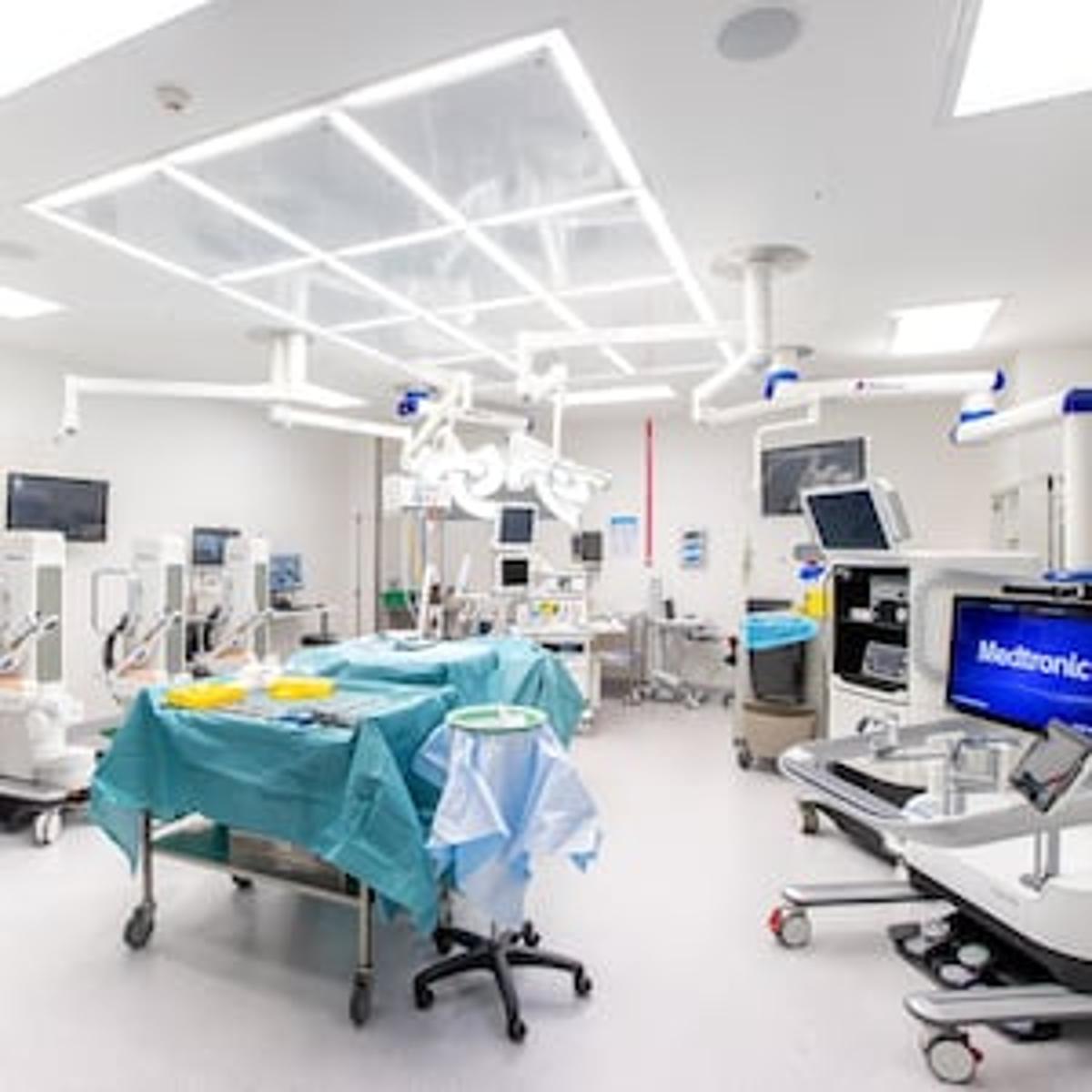
Robotic-Assisted Surgery Introduced in Hawke’s Bay with Royston Hospital Urology Operations
Companies Mentioned
Why It Matters
Local access to robotic surgery reduces patient travel, improves outcomes, and strengthens regional health‑care talent pipelines. It also demonstrates New Zealand’s commitment to equitable, high‑tech public health services.
Key Takeaways
- •Medtronic Hugo robot debuted at Royston Hospital, Hawke’s Bay
- •Two robotic prostatectomies completed since March 2024
- •Patients avoid travel, stay near families for treatment
- •Future expansion to gynaecology and general surgery slated
- •Public patients face no extra cost; self‑funders may pay more
Pulse Analysis
The introduction of Medtronic’s Hugo robotic platform at Royston Hospital reflects a broader global shift toward minimally invasive, technology‑driven surgery. By leveraging high‑definition visualization and precise instrument control, the system enables surgeons to perform complex urological procedures through tiny incisions, reducing blood loss and shortening hospital stays. For Hawke’s Bay, the debut represents a milestone: the region’s first robotic operation, bringing cutting‑edge care that previously required patients to travel to Auckland or Wellington.
Beyond clinical benefits, the robot’s presence is poised to reshape the local health‑care ecosystem. Retaining patients within the community supports families, cuts indirect costs, and bolsters the hospital’s reputation, making it more attractive to specialist talent. Health New Zealand’s staged rollout emphasizes evidence‑based adoption, ensuring that public funding aligns with measurable outcome improvements. While privately insured patients have already accessed the service, the public pathway promises no additional fees, though self‑funded cases may incur higher charges, highlighting a nuanced financing model.
Looking ahead, Royston Hospital plans to extend the Hugo’s capabilities to gynaecology and general surgery later this year, mirroring trends in other advanced health systems where multi‑specialty robotic use drives economies of scale. Success in Hawke’s Bay could accelerate nationwide adoption, prompting other districts to invest in similar platforms. However, budget confirmations and training pipelines remain critical variables. If the early outcomes demonstrate reduced complications and faster recoveries, the robot could become a cornerstone of New Zealand’s strategy to attract and retain clinicians while delivering world‑class care across both public and private sectors.
Robotic-assisted surgery introduced in Hawke’s Bay with Royston Hospital urology operations
Comments
Want to join the conversation?
Loading comments...