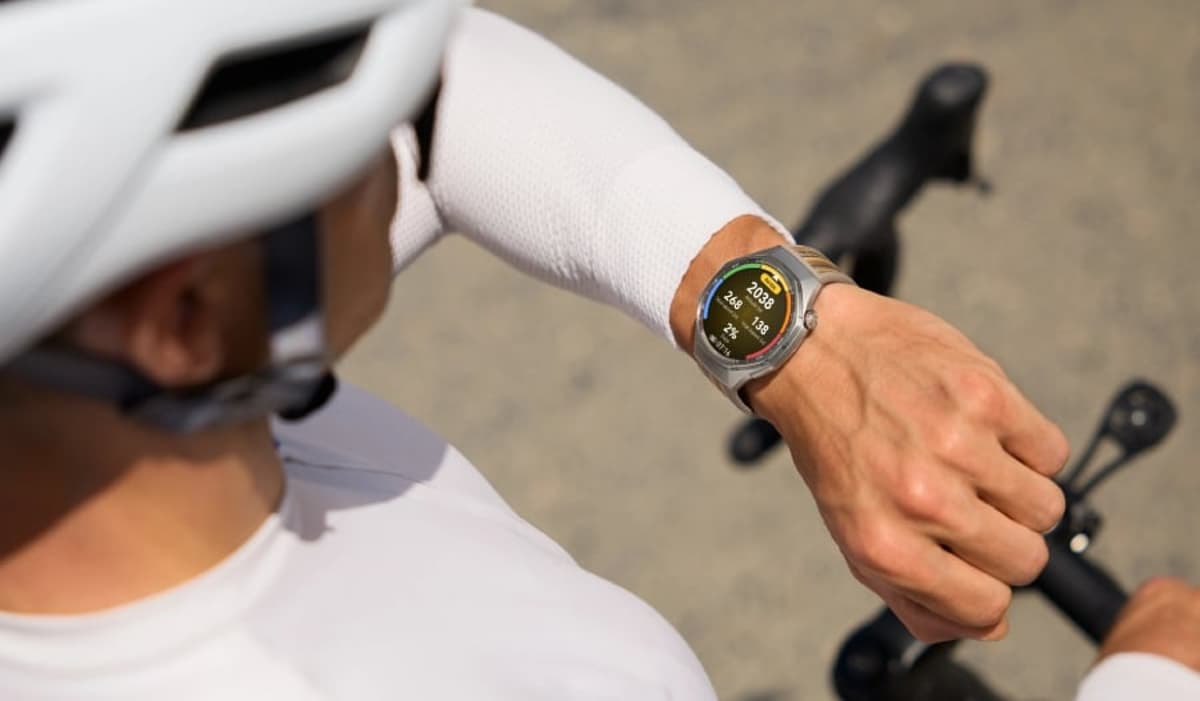
Huawei Watch and Blood Sugar Awareness: How Its Diabetes Risk Feature Works

Companies Mentioned
Why It Matters
By offering preventive risk alerts on a mainstream smartwatch, Huawei could shift consumer focus toward early lifestyle intervention, potentially lowering future diabetes‑related healthcare costs. The limited geographic launch, however, highlights regulatory and market challenges before broader adoption.
Key Takeaways
- •Huawei Watch GT 6 Pro adds non‑invasive diabetes risk assessment
- •Risk categories derived from heart rate, HRV, sleep, activity data
- •Feature available in Middle East, Africa; not yet in US market
- •Alerts prompt medical follow‑up, not a diagnostic tool
- •Planned rollout to Watch 5 and Watch Ultimate 2 expands coverage
Pulse Analysis
Huawei is positioning its Watch GT 6 Pro as a preventive health tool rather than a glucose‑monitoring device. The new Diabetes Risk Study runs silently in the background, aggregating two to fourteen days of wrist‑based metrics such as heart rate, heart‑rate variability, sleep quality, activity levels and movement patterns. By analysing trends instead of single readings, the algorithm assigns a Low, Medium or High risk rating for type‑2 diabetes. This approach mirrors clinical screening protocols that look for longitudinal changes, giving wear‑wearers an early warning without the need for invasive finger‑stick tests.
The feature relies on Huawei’s optical PPG sensor and proprietary AI models to translate raw biometric streams into a single, easy‑to‑read risk category. Users receive a color‑coded alert that can be reviewed on the watch face or within the Huawei Health app, eliminating the need for chart interpretation. While Apple and Samsung are racing toward direct glucose readings via paired sensors, Huawei’s strategy sidesteps regulatory hurdles by framing the output as an awareness tool, not a medical diagnosis. Repeated Medium or High alerts are intended to prompt a doctor’s visit rather than replace laboratory testing.
Currently the Diabetes Risk Study is limited to markets in the Middle East, North Africa and parts of sub‑Saharan Africa, with no US availability—a notable gap given the size of the American smartwatch market. Huawei plans to extend the feature to its Watch 5 and Watch Ultimate 2 models, potentially widening adoption among price‑sensitive consumers. If clinical validation confirms predictive accuracy, the risk‑alert model could reshape how wearables contribute to chronic‑disease prevention, encouraging earlier lifestyle interventions and reducing long‑term healthcare costs. The success of this non‑invasive screening will hinge on regulatory acceptance and user trust.
Huawei Watch and Blood Sugar Awareness: How Its Diabetes Risk Feature Works
Comments
Want to join the conversation?
Loading comments...