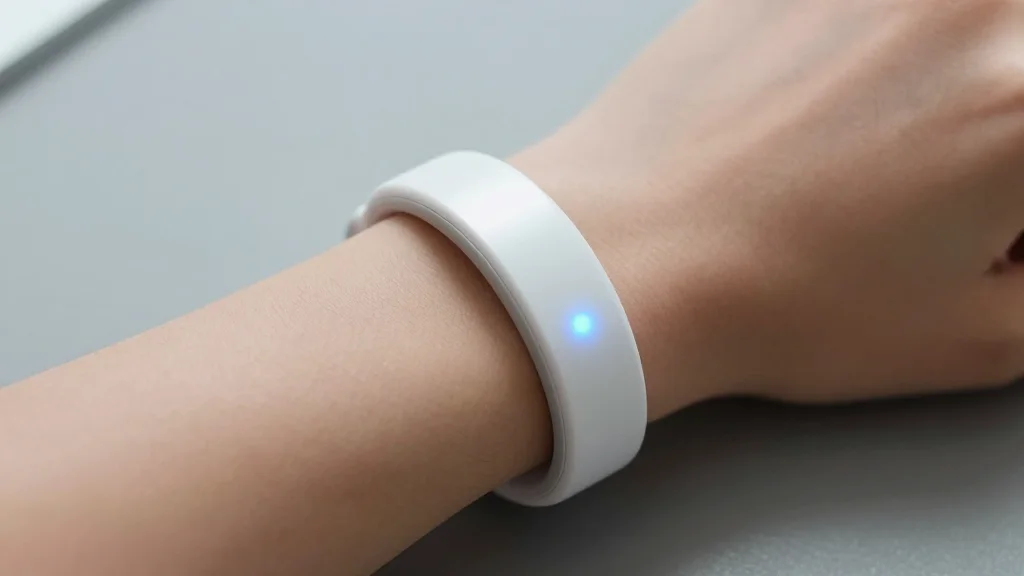
Northern Irish Health Tech Expands in the US After FDA Win
Why It Matters
FDA clearance opens the $4 trillion U.S. medical market to Neurovalens and offers veterans a safer, drug‑free PTSD therapy, potentially reshaping mental‑health treatment standards.
Key Takeaways
- •Neurovalens secured FDA De Novo clearance for Modius Spero device
- •Device uses low‑level electrical signals to modulate brain stress circuits
- •US rollout targets veterans via VA starting July
- •Approval gives Northern Irish startup foothold in $4 trillion US market
- •Non‑invasive therapy may cut PTSD patients' reliance on drugs
Pulse Analysis
The FDA’s De Novo clearance is reserved for breakthrough medical devices that lack a predicate but demonstrate reasonable safety and efficacy. Neurovalens, a Belfast‑based startup, earned this pathway for its Modius Spero system, a wearable that delivers low‑intensity electrical pulses to brain regions governing stress responses. By bypassing invasive surgery, the device aligns with a growing demand for patient‑friendly therapies. The approval not only validates the company’s clinical data but also showcases the capability of Northern Irish innovators to meet rigorous U.S. regulatory standards, a hurdle that many health‑tech firms struggle to overcome.
Post‑traumatic stress disorder affects roughly 20 percent of U.S. veterans, translating into an estimated 1.5 million individuals who could benefit from new treatment options. The Department of Veterans Affairs plans to prescribe Modius Spero beginning in July, leveraging its existing procurement channels to reach service members nationwide. Compared with long‑term pharmacotherapy, a non‑invasive wearable promises fewer side effects and improved adherence, potentially lowering overall healthcare costs for the VA. Early adoption by the VA also serves as a powerful endorsement that can accelerate uptake in civilian hospitals and specialty clinics.
The Neurovalens milestone arrives as the global neuro‑stimulation market is projected to exceed $10 billion by 2030, driven by advances in wearable electronics and digital health platforms. For the U.K. and Irish tech ecosystems, the U.S. entry represents a critical revenue stream, given that the American market accounts for roughly 40 percent of global medical device sales. Success in the United States may attract additional venture capital, enable scaling of manufacturing, and encourage further R&D into non‑pharmacologic solutions for chronic mental‑health conditions.
Northern Irish health tech expands in the US after FDA win
Comments
Want to join the conversation?
Loading comments...