Glucose Tracking Is Turning Into the Next Big Health Data Platform
Why It Matters
By turning glucose into a continuous health metric, the industry creates a massive new preventive‑care market and forces traditional diabetes firms to compete with AI‑driven wellness startups.
Key Takeaways
- •CGMs are expanding from disease management to everyday wellness
- •AI models predict glucose responses and broader health outcomes
- •Non‑invasive optical and sweat‑based sensors are emerging
- •Market size exceeds diagnosed diabetes population, attracting Silicon Valley
- •Regulatory and anxiety concerns linger for healthy users
Pulse Analysis
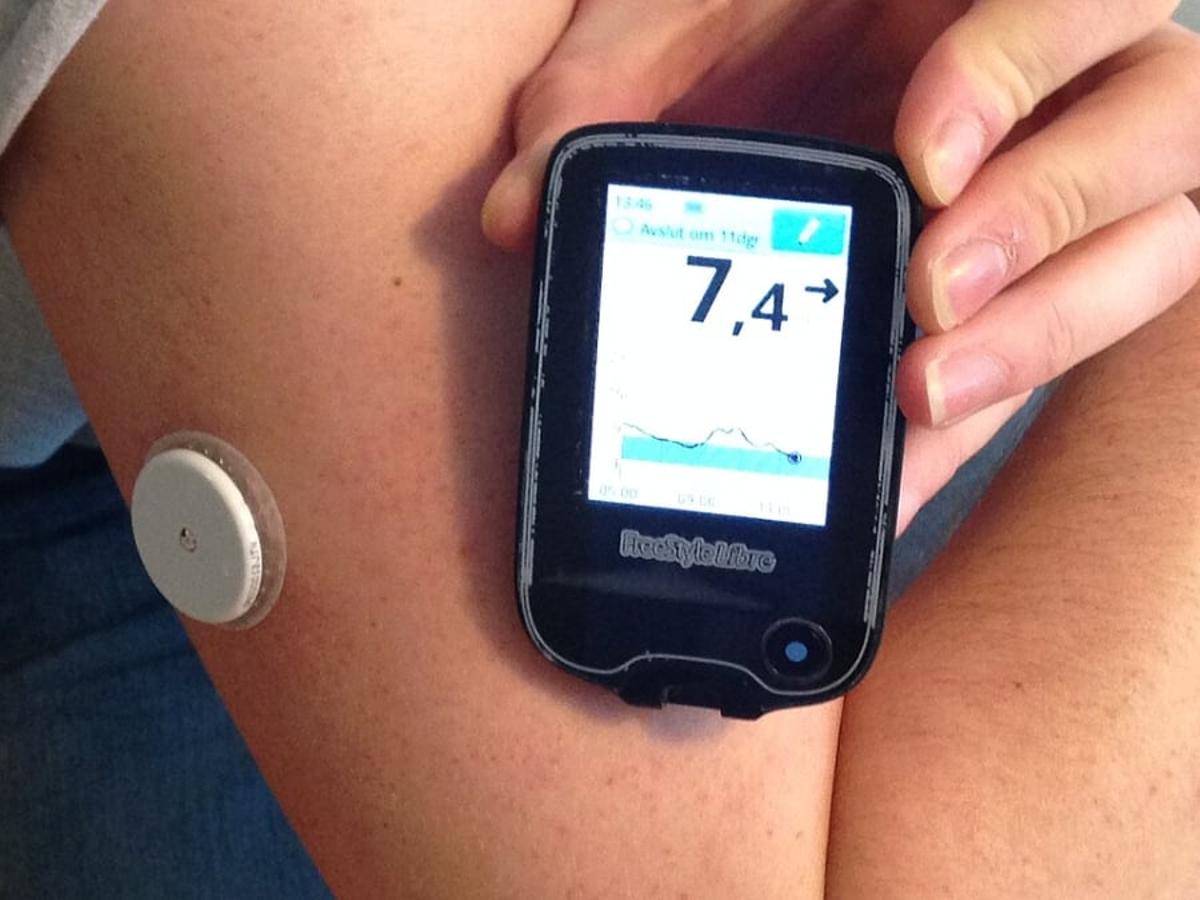
The rise of wearable glucose monitors reflects a broader trend toward data‑rich preventive health. While CGMs were originally designed for diabetics, their minute‑by‑minute readings provide a granular view of metabolic fluctuations that can inform diet, exercise, and stress‑management decisions for anyone. By integrating these streams with machine‑learning algorithms, companies such as January AI create "digital twins" that forecast how a specific meal will affect an individual’s blood sugar, turning raw sensor data into actionable insight.
Beyond the sensor, the real value proposition lies in the AI‑driven analytics layer. Predictive models can combine glucose trends with heart‑rate, sleep, and activity metrics to generate personalized health scores, early warnings for cardiovascular risk, and even recommendations for nutrient timing. This convergence is reshaping the competitive landscape: legacy diabetes device makers like Dexcom and Abbott now face startups and consumer‑tech giants that bundle glucose data into broader wellness ecosystems. The expanding addressable market—estimated to be far larger than the 38 million Americans with diabetes—has spurred a surge in patent activity, especially around AI‑based risk classification and multi‑modal sensor fusion.
However, the rapid adoption raises practical and ethical challenges. Without clinical guidelines, healthy users may misinterpret normal glucose variability, leading to anxiety or disordered eating. Moreover, many AI solutions operate as black‑box models, limiting transparency for both patients and clinicians. Regulators have yet to clear fully non‑invasive optical monitors, and long‑term studies on preventive benefits remain scarce. Balancing innovation with robust validation will determine whether glucose tracking evolves from a novelty into a cornerstone of personalized preventive medicine.
Glucose Tracking Is Turning Into the Next Big Health Data Platform
Comments
Want to join the conversation?
Loading comments...