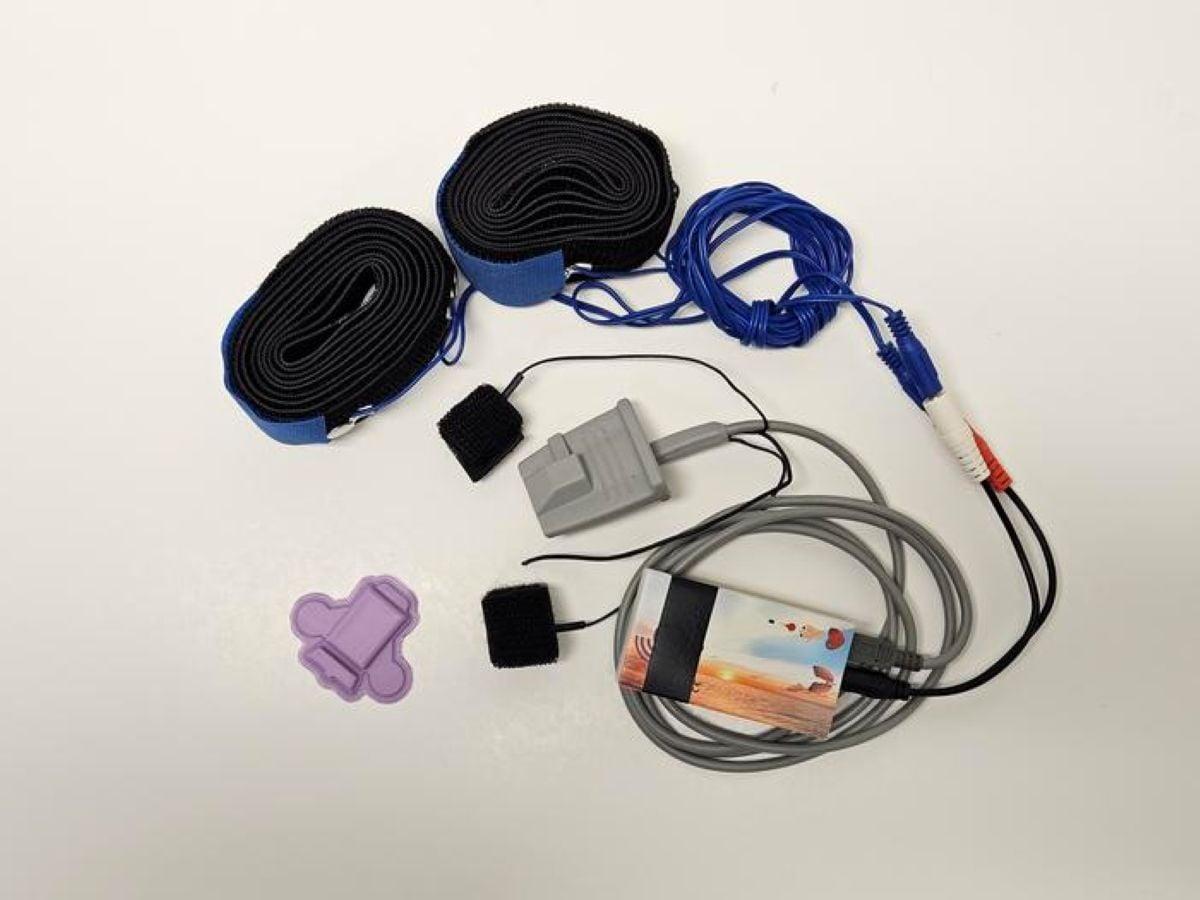
Wearable Polygraph Tracks Deep-Body Stress Signals
Why It Matters
By turning subjective observations into quantifiable stress metrics, the device could transform pain assessment, sleep‑disorder diagnosis, and emergency‑room training, improving outcomes for vulnerable patients and reducing caregiver bias.
Key Takeaways
- •Wearable polygraph weighs under 8 g and records five stress signals continuously
- •Device provides 24‑hour objective stress data for infants, elderly, and patients
- •Validation matched commercial polygraph accuracy and detected sleep apnea in pediatric studies
- •High stress signatures correlated with poorer performance in emergency‑room simulations
- •Researchers aim to add EEG and expand to at‑home monitoring platforms
Pulse Analysis
The new skin‑interfaced polygraph represents a convergence of soft electronics and biomedical sensing, packing five physiological channels into a lightweight adhesive patch. Unlike traditional polygraph rigs that rely on bulky wires, this platform uses miniature microphones, motion sensors, thermal and electrodermal detectors to capture a multimodal stress signature. Its 24‑hour battery life and smartphone‑based analytics make it a practical tool for continuous monitoring, positioning it well within the rapidly expanding wearable health market that Bloomberg estimates will exceed $70 billion by 2030.
Clinically, the device addresses a long‑standing gap in pediatric and geriatric care: the inability to objectively quantify stress when verbal feedback is unavailable. By providing real‑time, data‑driven alerts, clinicians can intervene earlier in cases of pain, anxiety, or sleep‑related breathing disorders. The study’s validation—matching commercial polygraph performance and accurately flagging apnea events—demonstrates that multimodal sensing can surpass single‑parameter approaches, a finding that resonates with recent trends in precision medicine and AI‑enhanced diagnostics.
Looking ahead, the research team’s roadmap includes scaling trials, integrating EEG for brain‑state correlation, and embedding the system into telehealth platforms. Such extensions could enable remote stress monitoring for chronic disease management, occupational health, and mental‑wellness programs. As insurers and providers seek cost‑effective, objective metrics to guide treatment, this wearable polygraph could become a cornerstone technology, driving both clinical adoption and new revenue streams for digital health innovators.
Wearable Polygraph Tracks Deep-Body Stress Signals
Comments
Want to join the conversation?
Loading comments...