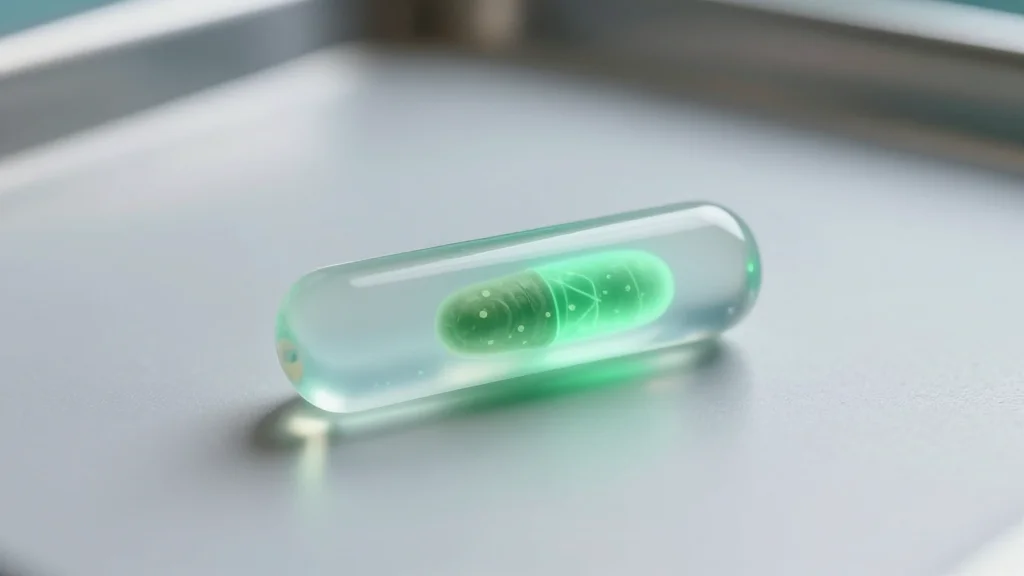
Implantable Bacteria Can Now Be Safely Contained, Clearing a Major Hurdle for Fighting Infection and Cancer
Why It Matters
By solving the containment problem, the technology makes microbial therapeutics viable for precise infection control and tumor targeting, potentially reducing dependence on broad‑spectrum antibiotics and systemic chemotherapy. This safety breakthrough could accelerate clinical adoption of living drug platforms.
Key Takeaways
- •PVA hydrogel retains engineered bacteria for six months without leakage
- •Ten‑fold increase in fatigue threshold versus agarose scaffolds
- •Implanted ILM reduced Pseudomonas infection in mouse model
- •Engineered E. coli toxin killed CT26 cancer cells in vitro
- •Containment solves major safety barrier for living therapeutic platforms
Pulse Analysis
The concept of using engineered microbes as drug factories has lingered on the edge of feasibility for years, hampered by the risk that bacteria could escape their delivery vehicle and cause unintended infections. Traditional hydrogel carriers, while biocompatible, lack the mechanical resilience to withstand the internal pressure of proliferating colonies and the external forces of body movement. This safety gap has stalled regulatory approval and limited investment, despite the promise of on‑demand, site‑specific therapy that microbes uniquely provide.
The Harvard team’s breakthrough centers on a polyvinyl alcohol (PVA) hydrogel engineered for both stiffness and toughness. By embedding engineered E. coli in protective microgels within a PVA matrix, the scaffold resists bacterial expansion and external deformation, achieving a ten‑fold improvement in fatigue resistance over agarose‑based counterparts. Laboratory tests showed zero bacterial leakage over six months in nutrient broth, and mechanical stress tests confirmed the scaffold’s integrity under simulated physiological conditions. These results demonstrate that a robust physical barrier can coexist with bacterial functionality, a combination previously thought mutually exclusive.
Clinically, this advancement could reshape how physicians treat hard‑to‑reach infections and solid tumors. The ILM’s ability to detect pathogenic cues and release antimicrobial proteins offers a targeted alternative to systemic antibiotics, potentially curbing the rise of drug‑resistant strains. Similarly, the in‑vitro cancer‑cell killing data hints at a future where living therapeutics deliver cytotoxic agents directly within tumor microenvironments, minimizing collateral damage. As the technology moves toward human trials, investors and biotech firms are likely to prioritize scalable manufacturing of PVA‑based platforms, positioning microbial therapeutics as a new pillar of precision medicine.
Implantable bacteria can now be safely contained, clearing a major hurdle for fighting infection and cancer
Comments
Want to join the conversation?
Loading comments...