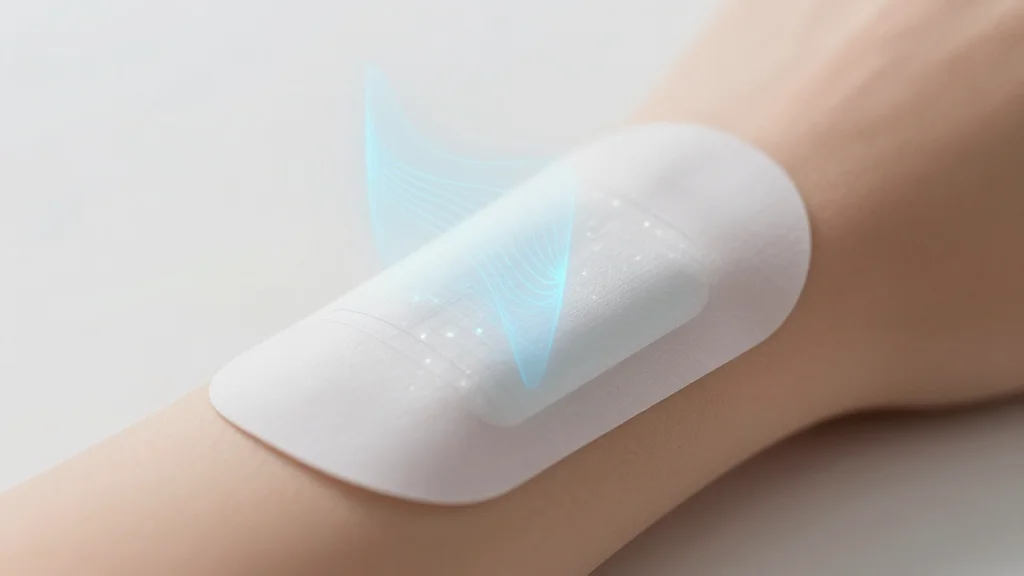
AI-Driven Wearable Patches Help Identify Undetected Hormone Disruption in Unexplained Infertility
Why It Matters
By exposing hormonal timing disorders invisible to standard tests, the patch could transform infertility diagnostics and enable personalized, predictive reproductive care.
Key Takeaways
- •Wearable patch tracks hormone rhythms continuously for days
- •AI‑derived Endocrine Rhythm Integrity predicts infertility despite normal labs
- •Disrupted testosterone patterns link to lower sperm counts in men
- •Metric identifies hidden endocrine dysfunction in women with unexplained infertility
Pulse Analysis
Infertility remains a silent burden for millions, with 15‑30% of couples labeled "unexplained" after conventional testing finds no clear cause. Traditional assessments rely on single‑point hormone measurements, ignoring the natural circadian fluctuations that drive reproductive function. This static approach can miss subtle dysregulation, leaving patients without actionable insights and clinicians without tools to intervene early. As fertility clinics seek more precise diagnostics, the industry has turned to continuous monitoring technologies that capture the dynamic endocrine landscape.
Enter the AI‑driven wearable skin sensor, a thin patch that records key reproductive hormones every 15 minutes for days, syncing data to smartphones for real‑time analysis. In a cohort of 102 men with normal morning testosterone, the device uncovered erratic testosterone rhythms that correlated with lower sperm concentration and androgen‑deficiency symptoms. Parallel research on 312 women introduced the Endocrine Rhythm Integrity (ERI) metric, which integrates hormone patterns, basal body temperature, heart rate, and sleep data to flag hidden dysfunction. Women with unexplained infertility displayed markedly lower ERI scores, even when standard hormone panels appeared normal, and these scores predicted implantation failure. The AI algorithms excel at recognizing temporal patterns that static labs cannot, offering a nuanced view of reproductive health.
The implications extend beyond infertility. By shifting focus from hormone quantity to timing, clinicians can personalize treatment—adjusting hormone therapy, lifestyle interventions, or assisted‑reproductive timing based on an individual’s endocrine rhythm. The technology also holds promise for transgender health, where hormone regimens could be fine‑tuned through continuous feedback. As larger, diverse studies validate predictive accuracy, the wearable could become a standard chronodiagnostic tool, redefining endocrine evaluation across specialties and improving outcomes before fertility crises emerge.
AI-driven wearable patches help identify undetected hormone disruption in unexplained infertility
Comments
Want to join the conversation?
Loading comments...