Pittsburgh Researchers Develop Shelf-Stable Artificial Platelets to Stop Severe Bleeding
Companies Mentioned
Why It Matters
SynthoPlate offers a ready‑to‑use hemostatic solution for pre‑hospital and battlefield care, potentially saving lives and easing chronic platelet supply gaps.
Key Takeaways
- •SynthoPlate stops hemorrhagic bleeding in rat models, showing high efficacy
- •Powdered platelets stay stable at room temperature for up to one year
- •$4.6 million DoD grant fuels development toward 2027 Phase I trials
- •Could fill platelet shortages in ambulances, military, and remote emergency kits
Pulse Analysis
Trauma‑induced hemorrhage remains a leading cause of preventable death, with traditional platelet transfusions limited by a 5‑day shelf life and chronic donor shortages. Emergency responders often operate far from hospitals, relying on portable supplies that can survive harsh environments. The need for a stable, easy‑to‑administer clotting agent has driven research into synthetic blood components, positioning artificial platelets as a potential game‑changer for both civilian and military medicine.
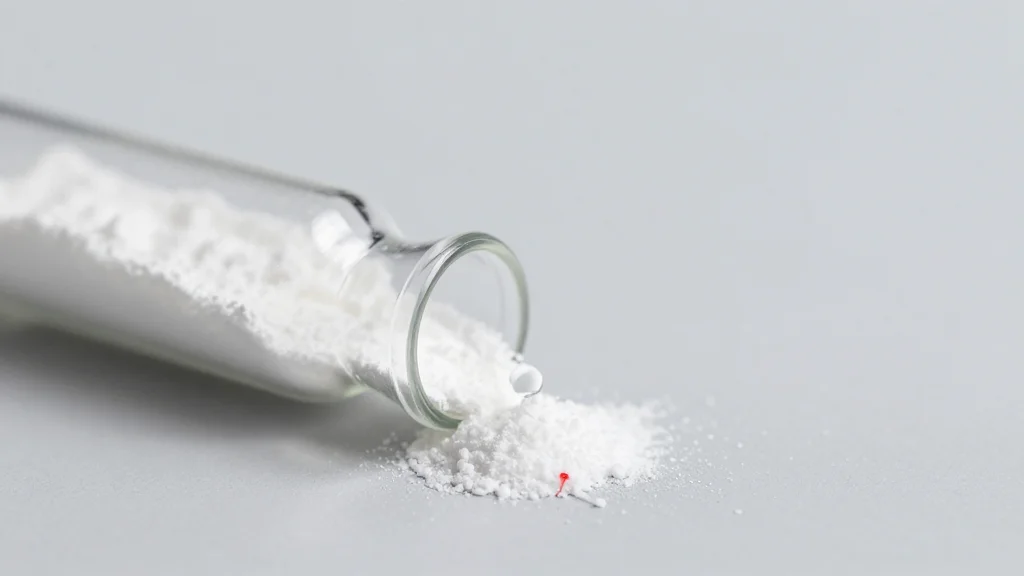
SynthoPlate, the product of a collaboration between Pittsburgh researchers, Case Western Reserve, and Haima Therapeutics, addresses these challenges by packaging functional platelet mimics in a powdered form that rehydrates with sterile water. In pre‑clinical rat models, the reconstituted product halted uncontrolled bleeding and improved survival rates, outperforming untreated controls. The technology leverages a biodegradable polymer scaffold that mimics platelet adhesion and aggregation, while remaining non‑toxic even at doses 250 times the therapeutic level. Backed by a $4.6 million Department of Defense grant, the program is slated for Phase I human trials in early 2027, focusing first on critically injured patients who lack access to conventional platelets.
Should clinical trials confirm safety and efficacy, SynthoPlate could transform emergency medical logistics. Ambulances, air‑lift helicopters, and forward‑deployed military units would carry a compact, room‑temperature‑stable hemostatic kit, reducing reliance on cold‑chain infrastructure. The broader biotech market may see a surge in synthetic blood product development, as investors and regulators recognize the strategic value of off‑the‑shelf solutions for mass casualty events and routine trauma care. Ultimately, the technology promises to close a critical gap in the blood supply chain, delivering faster, more reliable bleeding control and potentially saving tens of thousands of lives each year.
Pittsburgh researchers develop shelf-stable artificial platelets to stop severe bleeding
Comments
Want to join the conversation?
Loading comments...