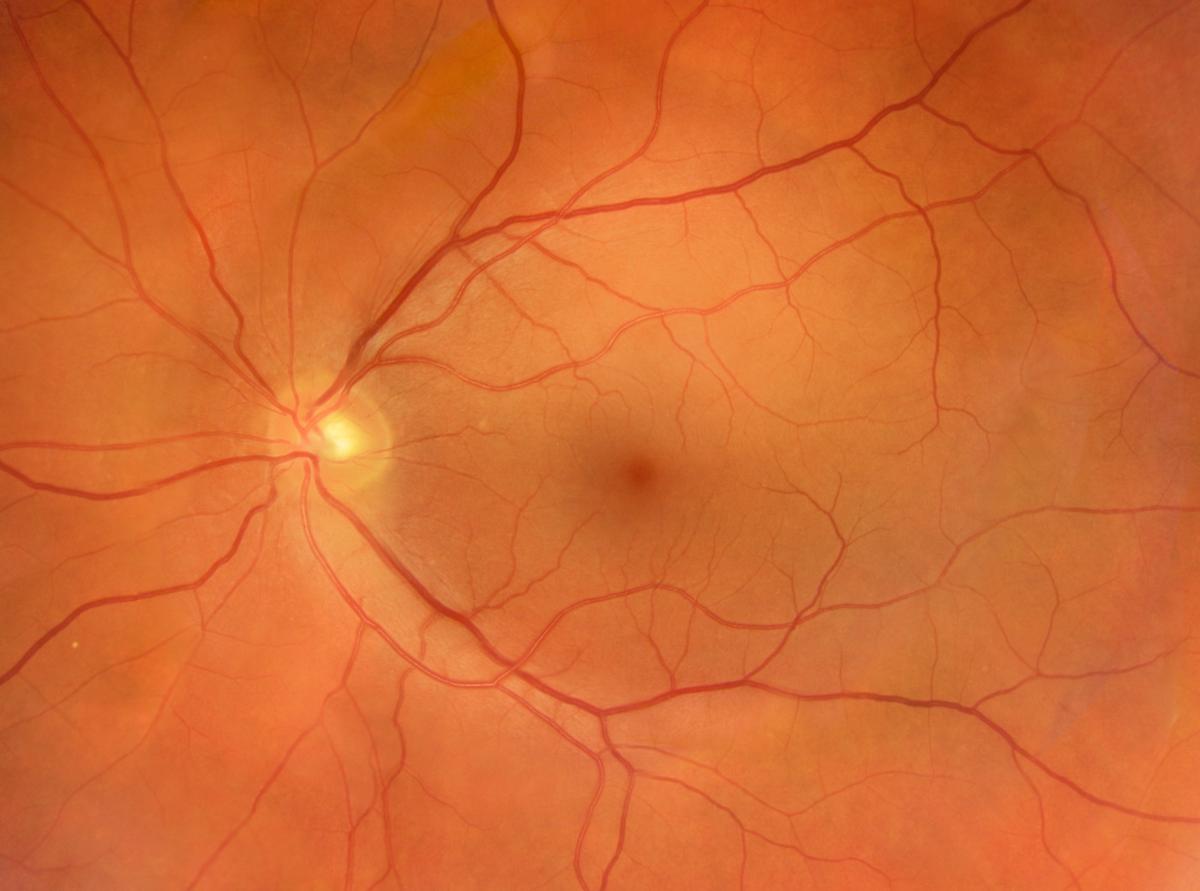
AI Eye Scans Reveal Who May Be at Higher Risk of Osteoporosis
Why It Matters
Early, non‑invasive detection of osteoporosis could close the diagnostic gap left by costly DEXA scans, enabling preventive treatment and reducing fracture‑related healthcare costs.
Key Takeaways
- •RetiAGE links older retinal age to lower bone mineral density.
- •UK Biobank shows 12% higher osteoporosis risk per SD increase.
- •Adding RetiAGE improves OST C‑index from 0.585 to 0.635.
- •Study spans 1,965 Singapore and 43,938 UK participants.
Pulse Analysis
Osteoporosis remains under‑diagnosed because dual‑energy X‑ray absorptiometry (DEXA) is expensive, requires specialized equipment, and is typically reserved for high‑risk patients. As a result, many individuals discover the disease only after a fracture, driving up medical costs and morbidity. AI‑driven retinal imaging offers a novel, low‑cost alternative by capturing systemic aging signals that reflect skeletal health, turning a routine eye exam into a potential early‑warning tool.
The recent PLOS Digital Health study introduced RetiAGE, a deep‑learning score derived from 129,236 retinal images, to estimate whether a person’s eyes appear biologically older than 65. In the Singaporean PIONEER cohort, higher RetiAGE scores were inversely associated with femoral and hip BMD, while in the UK Biobank, each standard‑deviation rise in retinal age raised the hazard of developing osteoporosis by 12% over a 12‑year follow‑up. When combined with the Osteoporosis Self‑assessment Tool, RetiAGE boosted the C‑index from 0.585 to 0.635 and yielded a 2.5% net reclassification improvement, demonstrating measurable gains in predictive accuracy across diverse ethnic groups.
If validated in broader clinical settings, retinal‑based screening could be integrated into optometry practices or primary‑care visits, delivering population‑scale risk assessment without radiation exposure or significant cost. However, the model was originally trained on Korean data and may need calibration for different imaging devices and demographics. Future work should focus on prospective trials, device standardization, and health‑system pathways to ensure that AI‑derived retinal age becomes a reliable adjunct to existing osteoporosis screening protocols, ultimately reducing fracture incidence and associated expenditures.
AI eye scans reveal who may be at higher risk of osteoporosis
Comments
Want to join the conversation?
Loading comments...