Using ‘Digital Twins’ to Address Chronic Metabolic Conditions
Why It Matters
The solution proves that data‑rich, behavior‑focused digital twins can reverse chronic metabolic disease at scale, offering a cost‑effective alternative to expensive drug regimens and reshaping employer‑sponsored health benefits.
Key Takeaways
- •Twin Health's digital twin achieved 71% A1C <6.5% in trial
- •92% of users engage daily with the app after one year
- •Walmart and 35 Blackstone portfolio firms have thousands of employees enrolled
- •Program cuts medication use, adds 8% muscle, improves hypertension and liver health
- •Payments tied to outcomes force partners to share risk and reward
Pulse Analysis
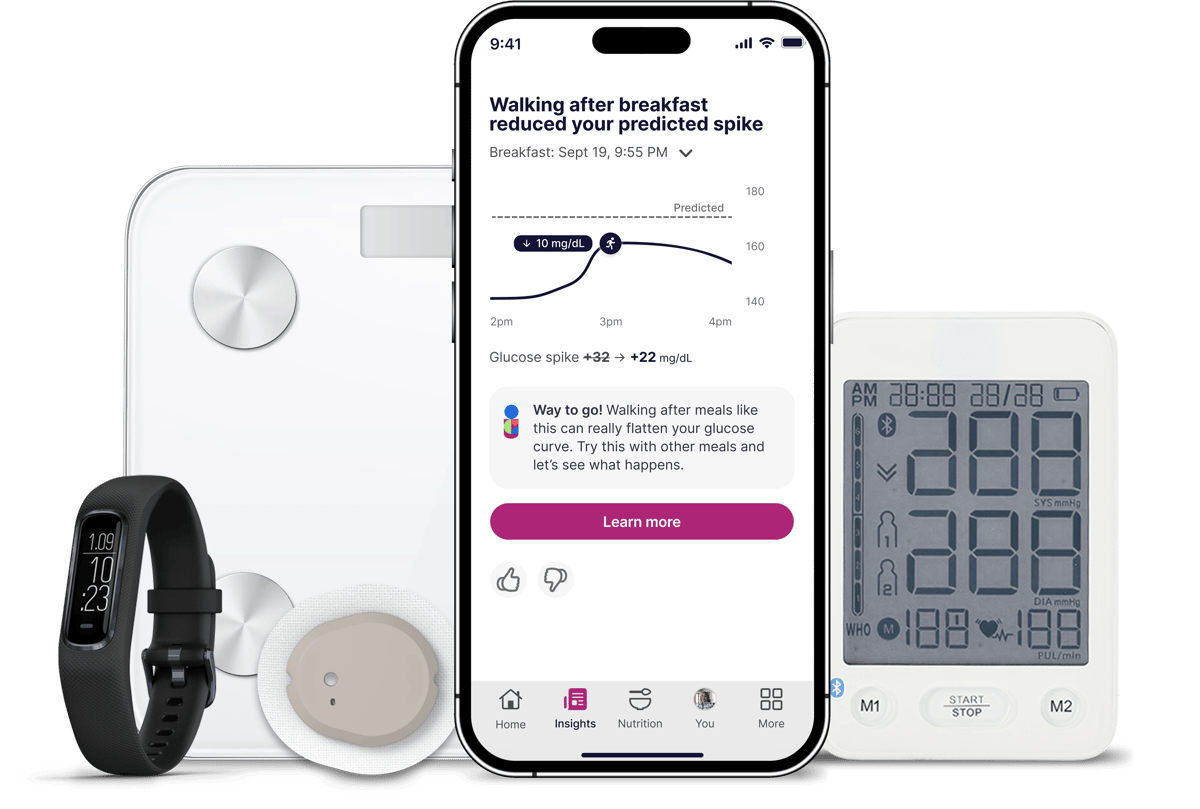
The rise of digital‑twin technology is redefining chronic disease management by turning raw sensor streams into actionable metabolic models. Twin Health aggregates data from smart scales, continuous glucose monitors, activity trackers and quarterly bloodwork to construct a real‑time replica of an individual’s metabolism. This virtual twin continuously simulates how tiny behavioral tweaks—standing after meals, swapping rice for vegetables, or a brief walk—alter glucose curves, enabling the app to deliver precise nudges backed by immediate feedback. As wearables become ubiquitous, such granular, AI‑driven personalization is emerging as a competitive edge for health‑tech firms seeking to move beyond generic diet plans.
Clinical validation came with the Cleveland Clinic’s randomized trial, where 71% of Twin Health participants hit an A1C under 6.5% and dropped all medications except metformin, compared with just 2% in standard care. The study also reported an 8% increase in muscle mass and improvements across blood pressure, liver fat and kidney markers. High engagement—92% daily app usage after a year—demonstrates that the combination of human coaching and data‑driven nudges can sustain behavior change. Employers such as Walmart and a network of 35 Blackstone‑owned companies have rolled out the program to thousands of workers, leveraging the platform to curb rising health‑care costs tied to diabetes and obesity.
Beyond employer wellness, the outcome‑based payment model positions Twin Health as a partner rather than a vendor. Health plans and payer consortia, including the Blues groups under Health Care Services Corporation, reimburse only for measurable improvements like A1C reduction, weight loss and medication tapering. This risk‑sharing framework encourages broader adoption, especially as the company eyes Medicare and cardiac‑rehab markets. By targeting insulin resistance, inflammation and visceral fat, the digital twin could expand into cardiovascular event prevention, fatty‑liver disease management and sustainable GLP‑1 weaning, potentially reshaping value‑based care across multiple chronic‑disease domains.
Using ‘Digital Twins’ to Address Chronic Metabolic Conditions
Comments
Want to join the conversation?
Loading comments...