
Digitized Dysfunction: Why Healthcare Must Eliminate Work — Not Just Automate It
Healthcare’s digital overhaul has largely added, not removed, administrative work. Clinicians now spend more than half of their day navigating electronic health records and fragmented portals, prompting hospitals to hire extra staff to manage the overload. The authors argue that true transformation requires platform‑centric, patient‑journey designs that eliminate unnecessary steps rather than merely automating them. Redefining ROI around clinician time, outcome improvements, and cost savings is essential for sustainable change.

Telemedicine Adoption, US Ambulatory Visits, and Total Medical Spending, 2019-2023
The study examined 3.04 million U.S. adults from 2019‑2023 using multipayer claims to gauge how regional telemedicine adoption impacted total ambulatory visits and per‑member spending. High‑adoption hospital referral regions recorded a 2.4% dip in visit volume and a 0.5% reduction in...
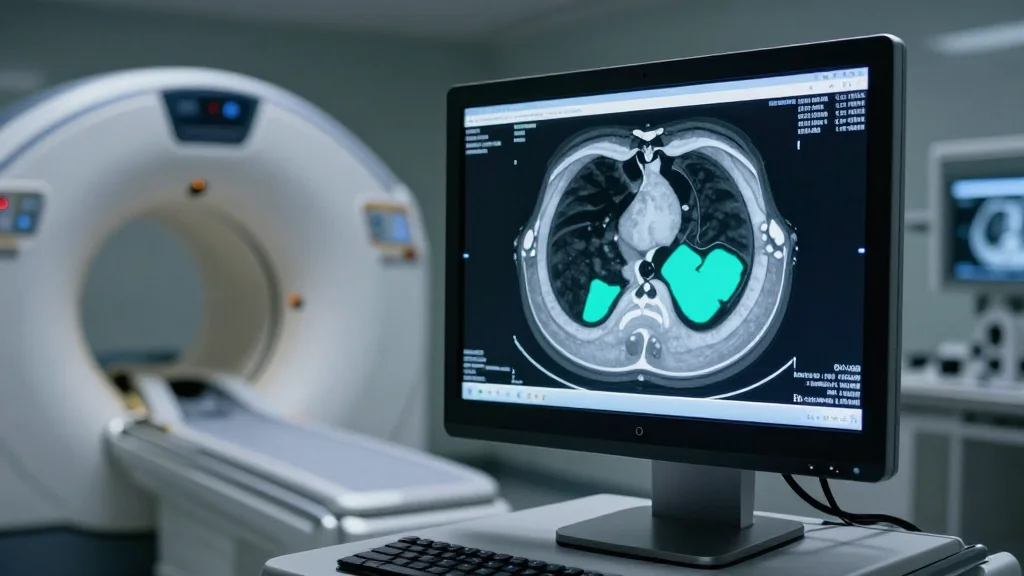
Radiologist-AI Combo Has Highest Potential to Improve Pulmonary Embolism Detection, Experts Charge
A new study from the Neiman Health Policy Institute shows that pairing radiologists with AI yields the highest potential to improve pulmonary embolism (PE) detection. Researchers applied Aidoc's AI to 32,500 CT pulmonary angiography exams from 2021‑2023, achieving 99.2% sensitivity...
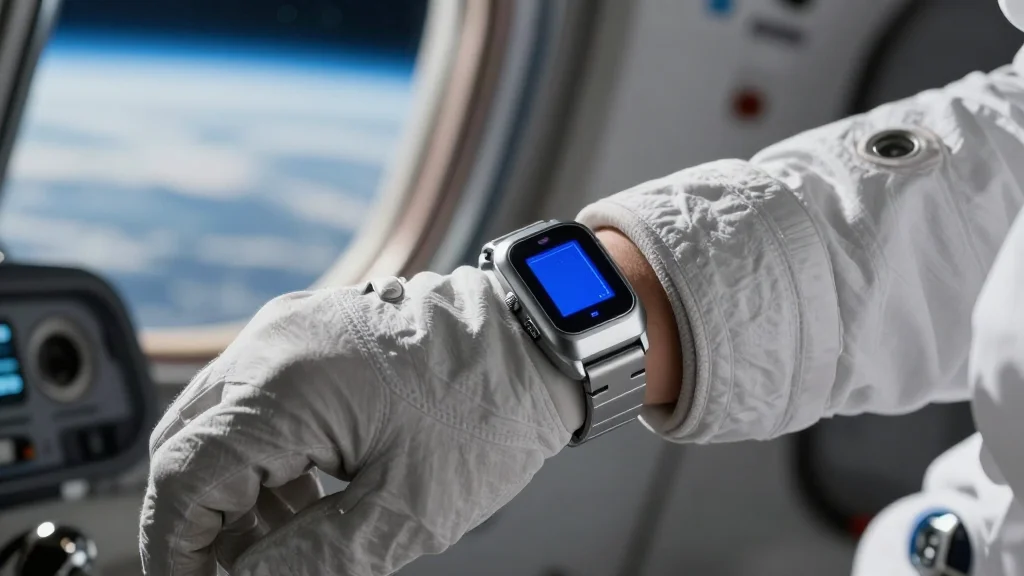
Wristwatch-Like Device Enables Assessment of Health Risks for Astronauts on Mission to the Moon
NASA confirmed that the Artemis 2 crew will wear a wristwatch‑like actigraph developed by Brazil’s Condor Instruments. The device combines accelerometers, light‑spectrum and temperature sensors to map sleep‑wake cycles and melanopic exposure in real time. By capturing circadian data during the...

Study Reveals the Key Ingredients for Successful Social Media Mental Health Interventions
A meta‑analysis of 17 randomized trials involving 5,624 participants shows that social‑media‑based mental‑health programs produce moderate‑high reductions in stress and low‑moderate improvements in anxiety and depression. The benefits are amplified when interventions are human‑guided, socially oriented, and compared against care‑as‑usual...

LRVHealth’s Keith Figlioli on the Evolving Landscape of AI Procurement
Keith Figlioli, managing partner at LRVHealth, outlined a three‑layer framework for AI procurement in healthcare—core enterprise platforms, foundation‑model platforms, and specialized use‑case solutions. He emphasized the growing influence of hyperscalers like Microsoft and Google, which are embedding AI tools such...

Morning Headlines 5/14/26
Healthcare providers are actively testing generative AI tools for clinical decision‑making, but adoption remains experimental. Critics note that AI often projects confidence even when its recommendations are inaccurate. Quebec’s recent attempt at a custom‑built AI platform for its health system...

CMS Taps 30 Healthcare Organizations for Prior Authorization Initiative
CMS launched the Electronic Prior Authorization Acceleration initiative, naming 30 early‑adopter organizations to speed electronic prior‑auth adoption before the 2027 federal rule. Participants include major health systems such as Cleveland Clinic and EHR vendors Epic, Oracle, Athenahealth, and Meditech. The...
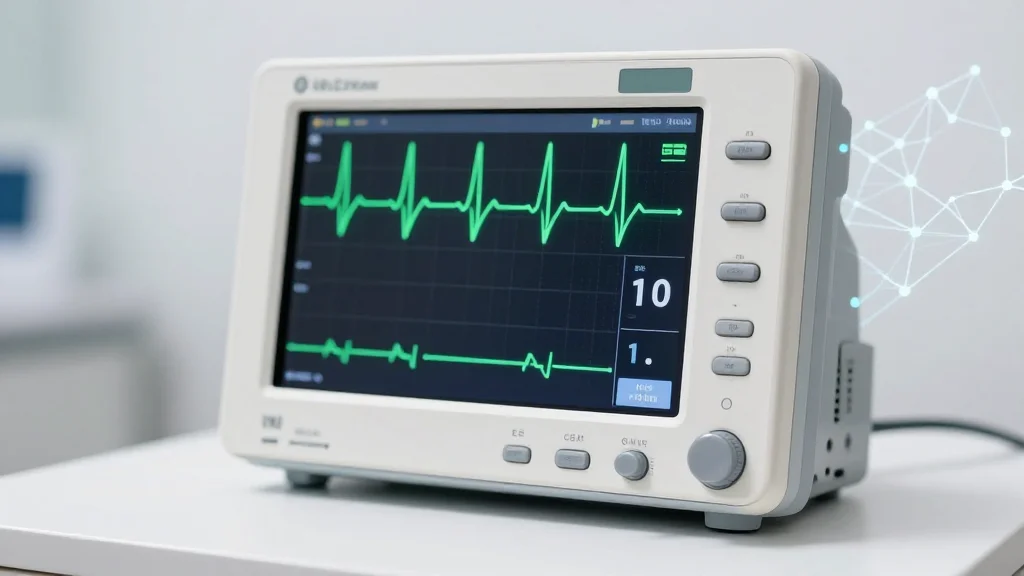
AI Uses 12-Lead ECGs to Predict Long-Term Stroke Risk
Researchers at Brigham and Women’s Hospital and its Boston affiliates have unveiled ECG2Stroke, an AI model that reads standard 12‑lead electrocardiograms to forecast long‑term ischemic stroke risk. Trained on data from more than 100,000 patients, the convolutional neural network achieved...
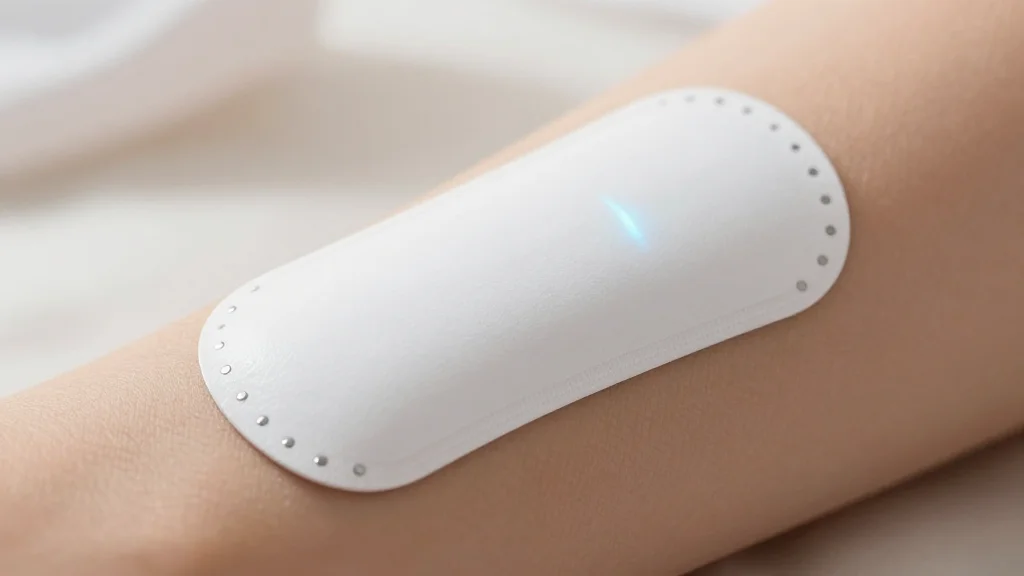
Wearable Sweat Sensor Monitors Multiple Biomarkers Continuously for 21 Days
University of California, Irvine researchers unveiled the IREM‑W₂MS₃, a battery‑free, wireless wearable patch that continuously monitors cortisol, glucose, lactate and urea in sweat for up to 21 days. The device regenerates its sensing surface via low‑voltage pulses, preventing performance loss...

Re: King’s Speech: Government Unveils NHS Modernisation Bill Amid Labour Turmoil
The UK government’s NHS Modernisation Bill aims to introduce a single electronic patient record that clinicians can access anywhere. Earlier attempts under the Blair administration faltered due to public privacy fears, but today patients appear more receptive and technology is...

FDA Approves Grifols Malaria Blood Screening Assay
The U.S. Food and Drug Administration has cleared Grifols’ Procleix Plasmodium assay for malaria screening of blood donors. The nucleic‑acid test uses magnetic target capture, transcription‑mediated amplification and chemiluminescence to identify ribosomal RNA from five human‑infecting Plasmodium species. It runs on...

Brain Signal Predicts and Restores Attention in Children
Researchers at SickKids identified a millisecond‑scale brain signal that predicts attention lapses in children. Using machine‑learning on intracranial recordings, they created a closed‑loop system that delivers a brief electrical pulse exactly when the signal appears, instantly restoring focus. The same...

Fewer Biopsies, Happier Patients: Why Molecular Blood Testing Is a Game-Changer for Managing Heart Transplant Recipients
Heart‑transplant patients have long depended on frequent endomyocardial biopsies, a process that can involve up to 14 invasive procedures in the first year and carries risks of perforation, bleeding, and sampling error. CareDx’s HeartCare platform introduces two complementary molecular blood...
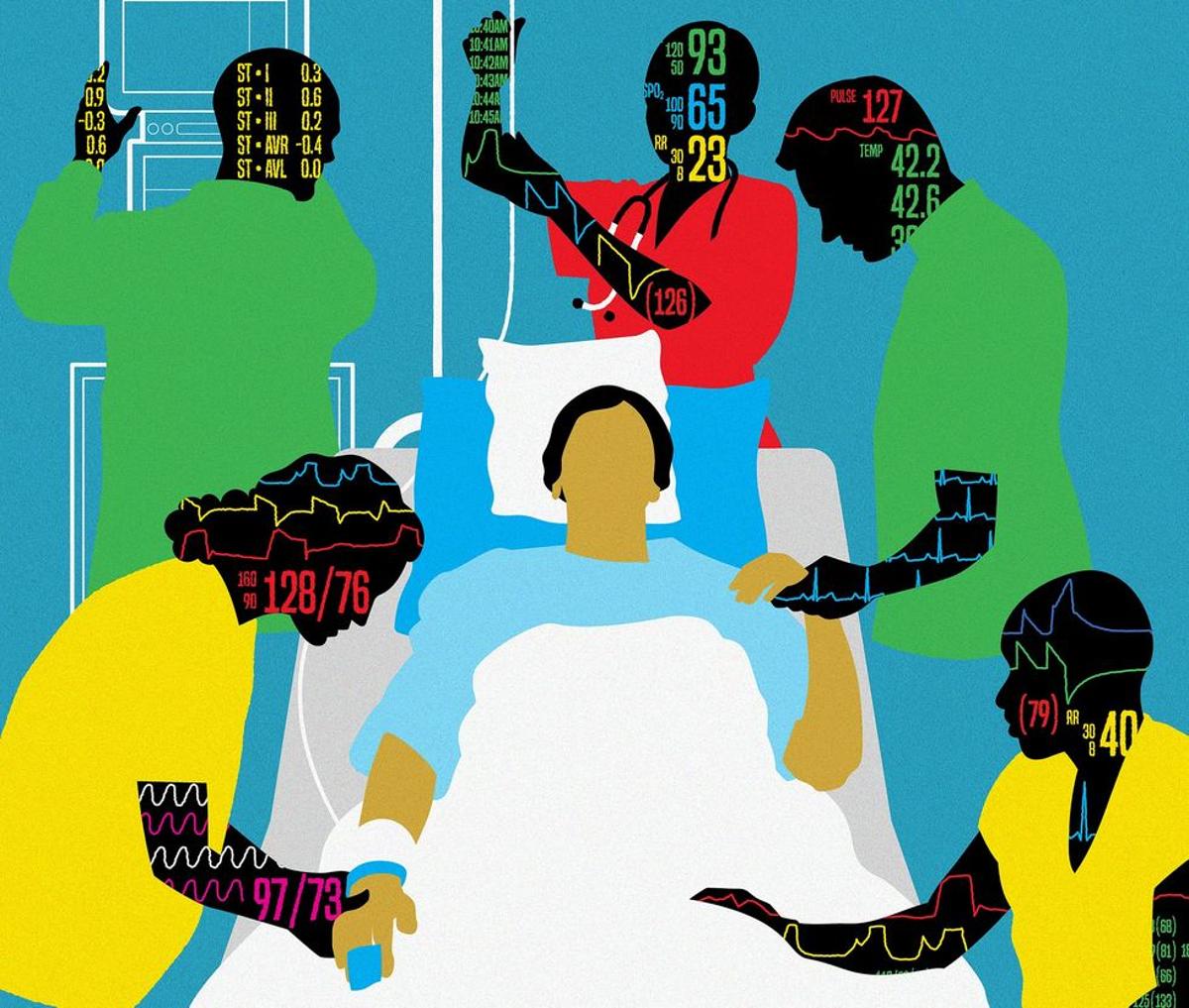
Can AI Chatbots Reason Like Doctors?
A study published in Science on April 30 found that OpenAI’s o1‑preview large language model outperformed two internal‑medicine physicians on clinical reasoning tasks using real emergency‑room records, achieving an exact or near‑exact diagnosis 82% of the time versus 79% and...
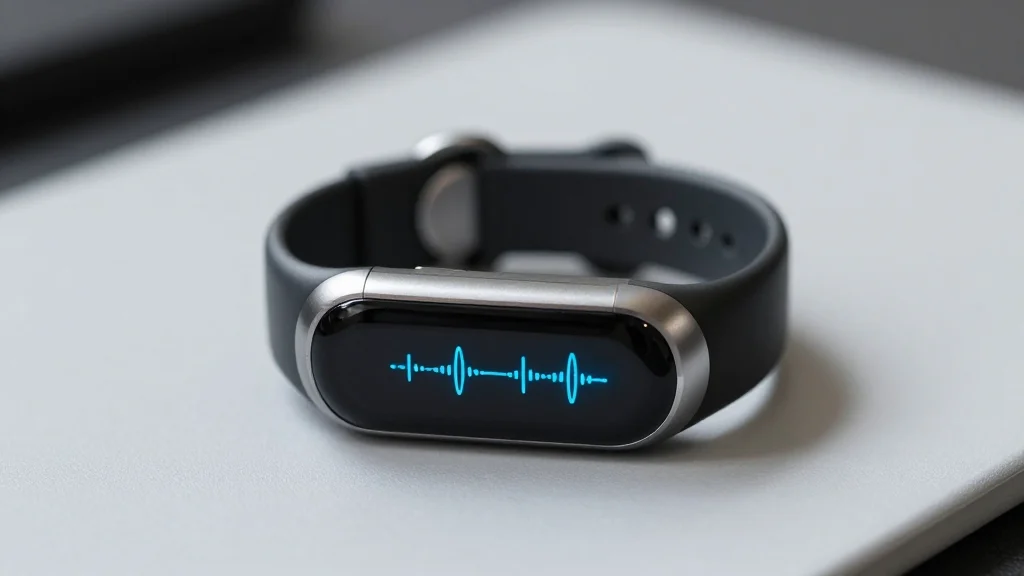
Whoop and the Future of the Quantified Self
WHOOP is expanding its wearable platform into a clinical‑grade Health Operating System by adding on‑demand video telehealth, EHR synchronization with HealthEx, and a generative AI layer called My Memory. The telehealth feature launches in the United States in summer 2026,...

From Trial-and-Error to Data-Driven Oncology Decision Making: AI-Enabled Functional Precision Medicine Is Rewriting the Future of Cancer Treatment
AI‑enabled functional precision medicine (FPM) platforms combine patient‑derived tumor testing, multi‑omic profiling, robotics and machine learning to recommend therapies tailored to an individual’s cancer. Traditional genomics‑driven precision oncology benefits only a small fraction of patients—about 8% are eligible for genome‑driven...

Australian Budget Looks to Advance Interoperability and Promote Sharing of Health Data
The 2026 Australian Federal Budget earmarks AUD 598.3 million (≈ USD 395 million) over two years to upgrade the My Health Record platform, alongside AUD 79.2 million (≈ USD 52 million) for state‑level digital health reforms. A further AUD 2 billion (≈ USD 1.32 billion) will fund the Thriving Kids programme and a new National...

Deep Learning-Powered Biochip to Detect Genetic Markers
Researchers at Nanyang Technological University have unveiled a nanophotonic biochip that, paired with deep‑learning image analysis, can detect microRNA biomarkers in just 20 minutes. The platform uses a colour‑camera‑enabled chip and a Mask R-CNN algorithm to image and classify thousands...
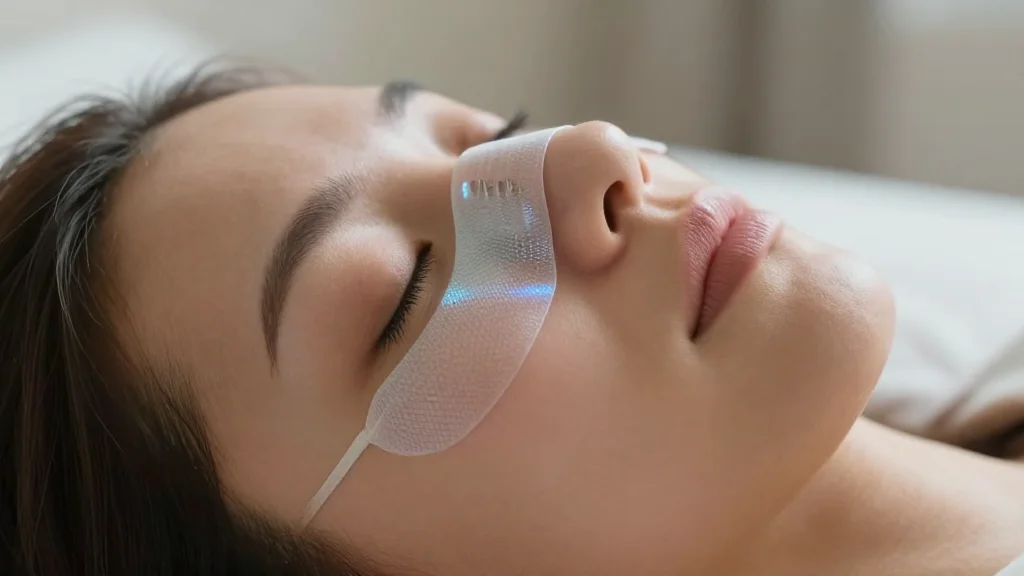
Soft, Skin-Interfaced Electronics Enable Cannula-Free Wireless Monitoring of Sleep Respiration
Researchers have unveiled a soft, skin‑interfaced nasal patch that monitors sleep respiration without a cannula. The ultrathin device translates airflow‑induced tissue deformation into strain signals using a laser‑induced graphene sensor and liquid‑metal interconnects. A modular architecture separates a disposable skin‑contact...

Nexsen Secures First Asian Hospital Partner for Diagnostic Commercialisation
Nexsen (ASX: NXN) has signed a binding term sheet with GHK Hospital, the operator of Hong Kong’s 500‑bed Gleneagles Hospital, to validate and commercialise its rapid point‑of‑care diagnostics across North Asia. The initial validation will focus on Group B Streptococcus...

AI-Powered Handheld Microscope May Improve Early Cancer Detection
Researchers at Rice University and MD Anderson have created PrecisionView, a pen‑sized handheld endomicroscope that combines AI‑designed optics with deep‑learning reconstruction. The device delivers cellular‑level resolution across a field of view five times larger and a depth of field eight...

Ontario AG Finds Flaws in AI Scribes
Ontario’s auditor general released a scathing report on AI‑driven medical scribes, revealing that a majority of the 20 evaluated systems produced hallucinated content and factual errors. Nine of the tools fabricated treatment recommendations, twelve recorded incorrect medications, and seventeen omitted...

PointClickCare Wins Award for Best EHR
PointClickCare has been named the best electronic health record solution in the 2026 MedTech Breakthrough Awards, chosen from over 4,000 global nominations. The ONC‑certified platform serves more than 30,000 provider organizations across skilled‑nursing, senior‑living, and physician practice groups, delivering AI‑infused...

$62.3M for eHealth Sask Upgrades Not Enough?
eHealth Saskatchewan has secured up to $62.3 million CAD (≈$45 million USD) for system upgrades over the next three fiscal years, targeting data‑center hardware, Windows 10 migration and new security tools. The funding follows the 2019 Ryuk ransomware attack that compromised more than...

Digital CBT Reduces Mental Disorders and Boosts Access to Care in College Students
A population‑based randomized trial across 26 U.S. colleges tested a digital cognitive‑behavioral therapy (CBT) guided self‑help program delivered after universal mental‑health screening. Over a two‑year follow‑up the intervention lowered the combined prevalence of anxiety, depression and eating disorders by roughly...

These Optical Sensors Don't Just See—They Think Fast Enough to Change Surgery, Space Exploration and More
Texas A&M researchers unveiled electrochromic hyperspectral embedding (ECHSE), a sensor that processes and compresses optical data internally, shifting AI from cloud servers to the hardware itself. Published in Nature Sensors, the framework shows compact photodetectors can perform hyperspectral classification without...

Health Leaders Join Forces to Launch Women’s Health AI Consortium
On May 12, Willow Innovations and Ema EQ announced the Women’s Health AI (WHAI) Consortium, the first industry body dedicated to AI standards in women’s health. The group brings together leaders such as Clue, Thrive Global, Oura and Willow to set ethical, bias‑reduction...

AI Startup Knit Health Raises $11.6M in Seed Funding
AI startup Knit Health, spun out of UC Berkeley, announced a $11.6 million seed round led by Uncork Capital and Frist Cressey Ventures. The company is building a Large Clinical Behavior Model (LCBM) that learns from real clinical decision patterns across...
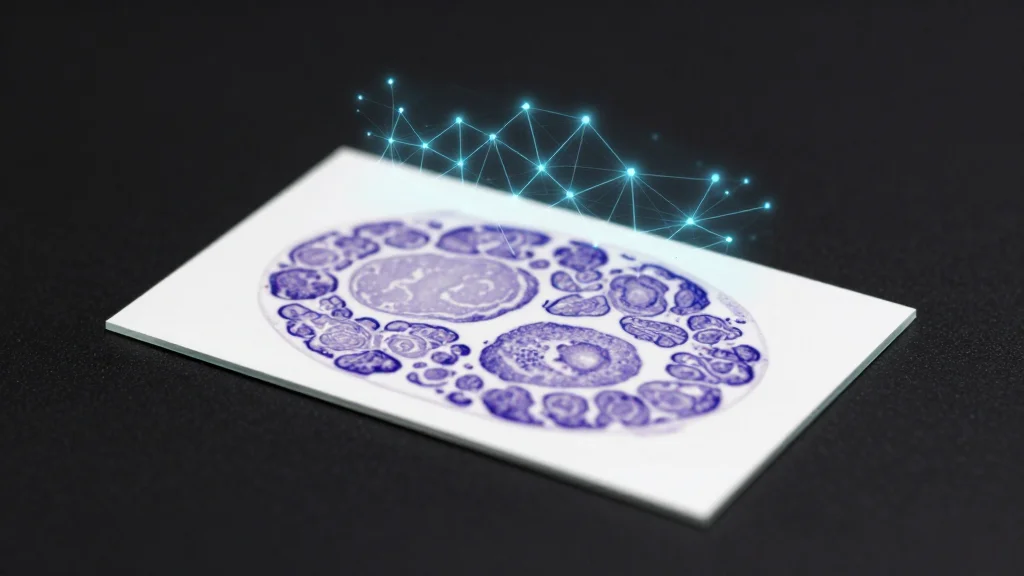
Artera Gets FDA Clearance for AI Breast Cancer Risk Prediction Tool
Artera, a 2023 startup backed by $90 million including Johnson & Johnson’s venture arm, received FDA clearance for its AI‑driven ArteraAI Breast tool. The system analyzes digitized pathology slides and clinical data to predict the likelihood of distant metastases in early‑stage, hormone‑receptor‑positive, HER2‑negative...
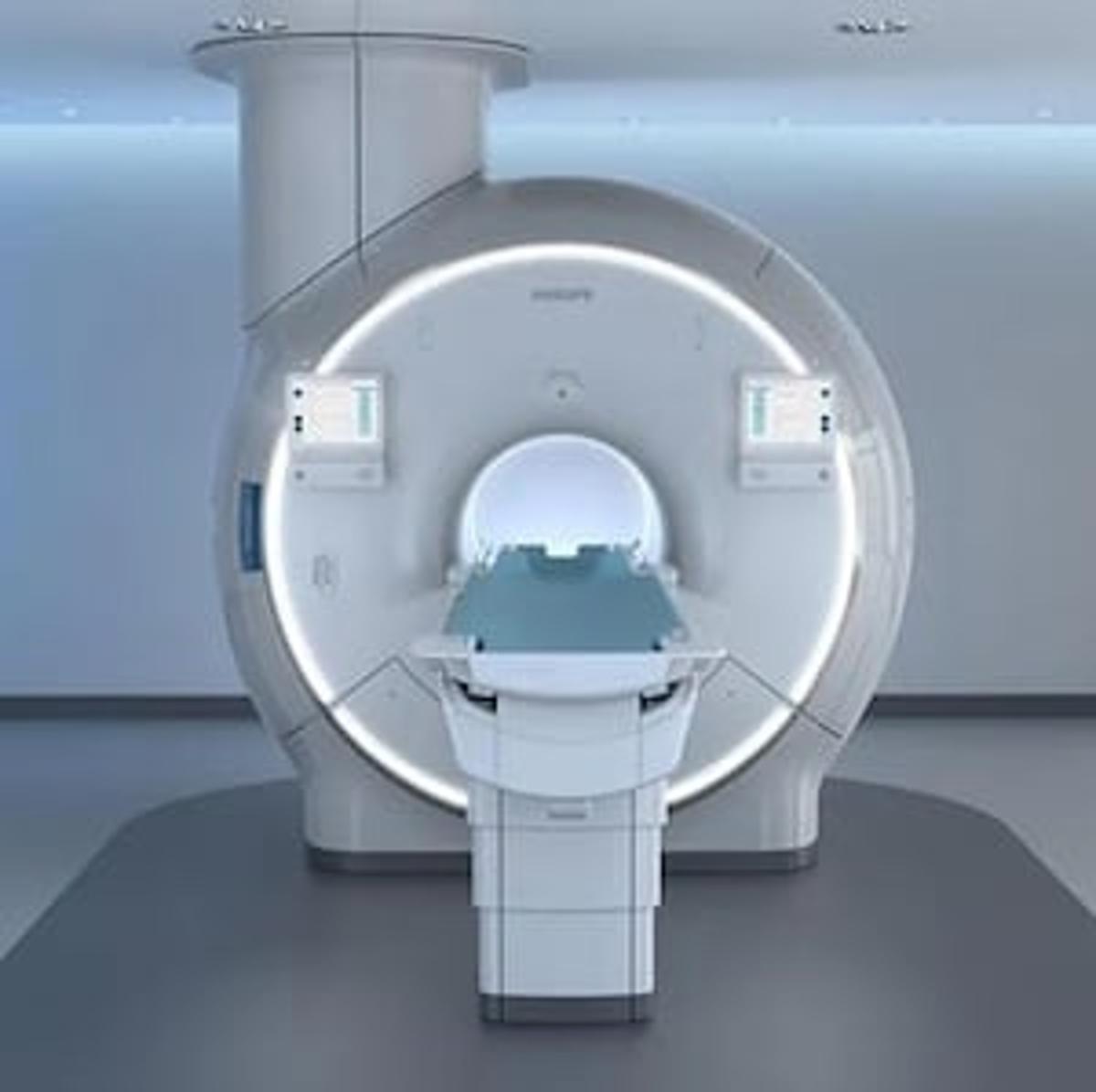
Philips Introduces Titanion MRI System
Philips unveiled the Titanion MR, an ultra‑high‑gradient 3.0 T MRI system, at ISMRM 2026. The scanner delivers 150 mT/m gradients at a 250 T/m/s slew rate and features a 55 cm field of view, low‑eddy‑current design, and AI‑driven SmartSpeed Precise software. These capabilities enable...

First-of-Its-Kind Drainage Device Helps Limit Heart Failure Rehospitalizations
The investigational WhiteSwell eLym catheter‑based system, designed for lymphatic drainage, was implanted in 40 acute decompensated heart‑failure patients in the DELTA‑HF trial. Ninety‑eight percent experienced lowered thoracic duct pressure, leading to an average 15‑lb weight loss and stable kidney function....
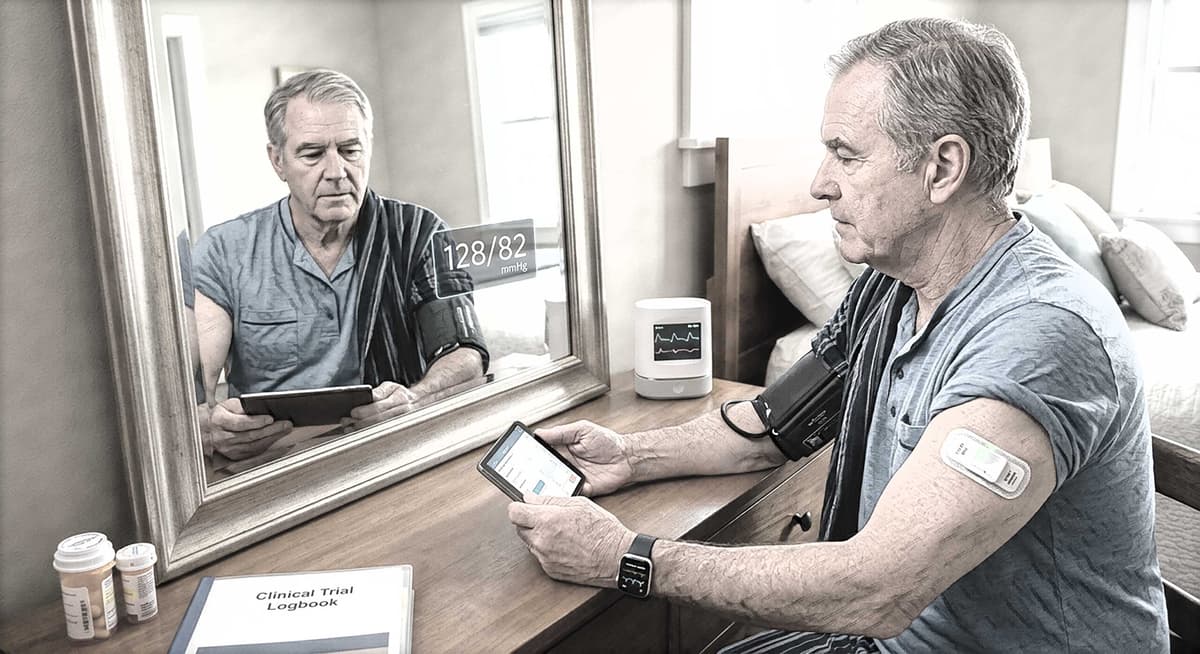
From Gimmick to Gold Standard
Clinical wearables have transitioned from wellness gadgets to FDA‑recognized trial endpoints, with more than 1,000 interventional studies between 2001 and 2025 already incorporating sensor data. Advances in sensor fidelity, AI‑driven analytics, and regulatory acceptance are enabling continuous cardiac, metabolic, and...

HL7 CEO Rachel Dunscombe: Going From Specifications to Scaling Up
Rachel Dunscombe, HL7’s new CEO, used the WEDI spring keynote to shift the conversation from drafting specifications to scaling interoperable solutions. She highlighted the role of FHIR accelerators such as Gravity, Codex, Vulcan and Helios in turning standards into real‑world...
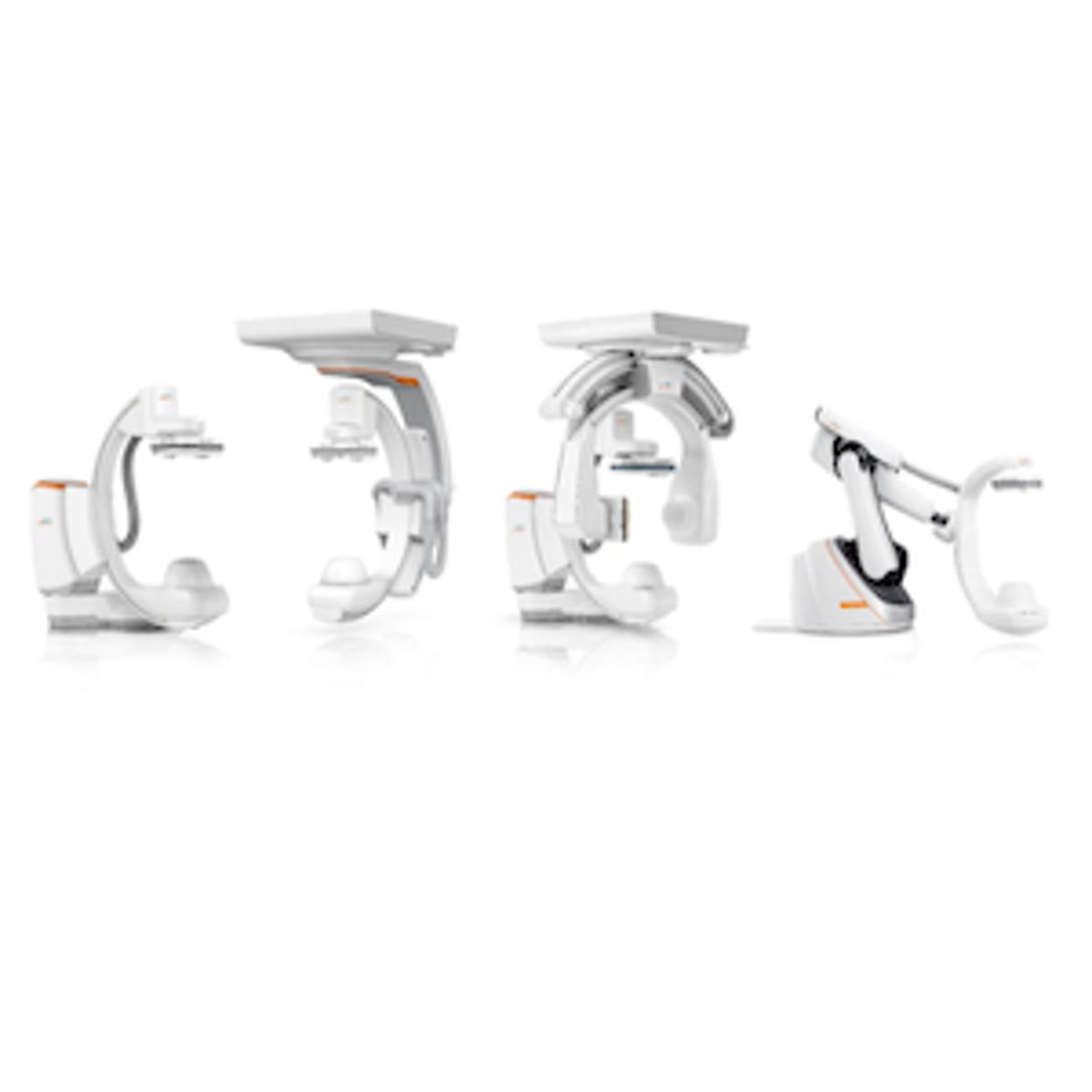
FDA Grants Clearance for Six Interventional Imaging Systems From Siemens Healthineers
Siemens Healthineers received FDA clearance for six new Artis interventional imaging systems, each equipped with the Optiq AI imaging chain. The portfolio spans floor, biplane, ceiling and robotic‑mounted configurations across the Vision, Icono.explore and Genio platforms. Optiq AI applies deep‑learning...
Knowledge, Attitude, and Practice Regarding Multi-Parameter Monitor Alarms Among ICU Nurses: A Multi-Center Cross-Sectional Study
A multi‑center cross‑sectional study of 813 ICU nurses in nine Chinese tertiary hospitals measured knowledge, attitudes, and practices (KAP) toward multi‑parameter monitor alarms. The average KAP score was 66.22 ± 6.70, translating to an 80.76% score rate, indicating a moderate competency level....

Just a Single Vowel Can Shed Light on HF Hospitalization Risk: TIM-HF3
AI‑driven software that analyzes a single sustained vowel can predict heart‑failure hospitalizations more accurately than daily weight tracking, according to the TIM‑HF3 trial presented at ESC Heart Failure 2026. The study enrolled 105 German NYHA II/III patients and recorded weekly /i/ vowel...

Five Ways Technology Can Transform Chronic Care Management
The CDC reports over 129 million Americans—about 37% of the population—live with a chronic condition, driving nearly 90% of the $4.5 trillion annual U.S. healthcare spend. Traditional chronic care management (CCM) relies on fragmented, manual workflows that limit reach to only the...

How to Protect Revenue in a Digital-First Ecosystem
The HFMA report warns that as hospitals shift to a digital‑first, patient‑centric ecosystem, revenue cycle management must move from reactive fixes to proactive, data‑driven controls. It argues that data integrity should be treated as a financial control, enabling AI and...

Intelligent, Trustworthy Operating Model Key to the Hospital of the Future
The HFMA Hospital of the Future survey shows technology has become foundational for hospitals, with 9 in 10 finance leaders naming AI and automation as the fastest industry drivers. Revenue cycle performance is seen as the top area for AI...
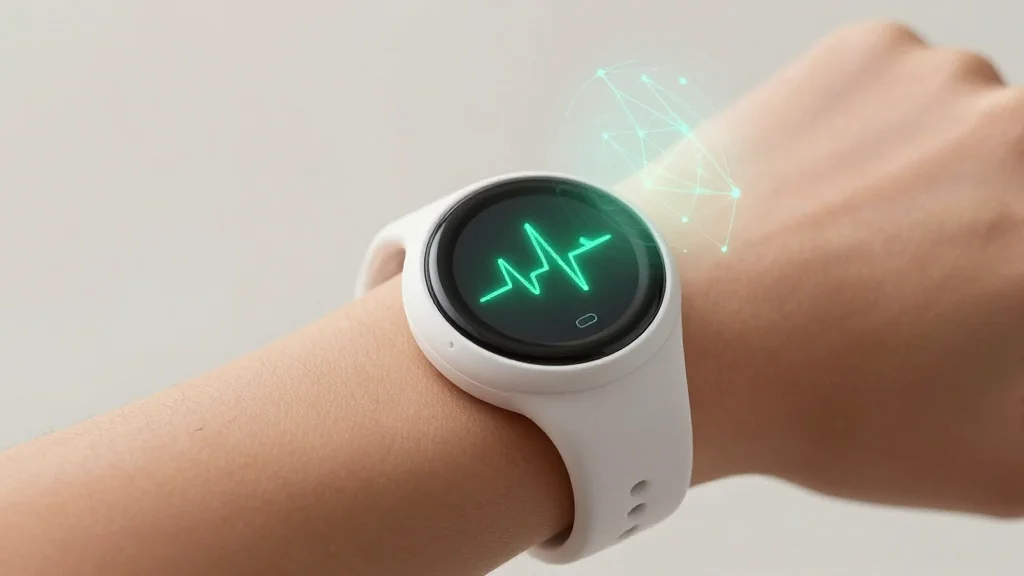
Focus on Patient Care and Access Transcends Hospital-Centric Model
Healthcare is moving from a hospital‑centric model to a distributed, digital care platform that spans ambulatory, virtual and home settings. Revenue‑cycle leaders must evolve their function into an enterprise‑wide capability that manages the full patient financial journey. AI and predictive...

The Accuracy Imperative and the Hospital of the Future
The article argues that while visible innovations like robotics, virtual care and AI‑enabled workflows capture headlines, the true foundation of the hospital of the future is data accuracy. Inaccurate records ripple through reimbursement, quality reporting, staffing and patient outcomes, turning...

You Can’t Build the Hospital of the Future on a Billing Model Designed for the Past
HFMA’s Hospital of the Future report envisions digital‑first care and AI‑enabled workflows, but highlights a critical gap in the patient financial experience. Only 28% of patient dollars settle cleanly, while 72% involve complex cases such as Medicaid churn, under‑insured, or...

AI in Transplant Diagnostics: Turning Complexity Into Clinical Clarity
Artificial intelligence is poised to transform transplant diagnostics by accelerating data analysis and improving risk prediction. Recent studies show AI‑driven kidney allocation models outperform traditional scores in forecasting graft survival and wait‑list mortality. However, adoption lags due to complex, non‑standardized...
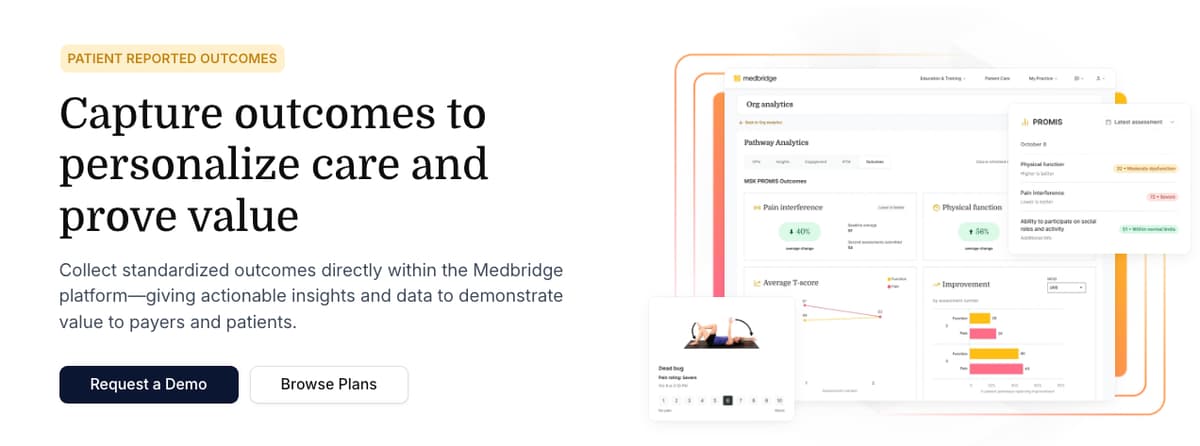
Medbridge Launches Outcomes Offering: Connecting Patient Care to Clinical Efficacy and Payment
Medbridge has introduced Medbridge Outcomes, a new module within its One Care platform that captures patient‑reported outcomes (PROs) for rehabilitation and physical‑therapy providers. The tool embeds data collection into clinicians’ daily workflow and aligns with CMS MIPS and quality‑reporting requirements,...

Aline Launches Aline Connect, an AI-Powered Outbound Agent Built Natively Into Its Senior Living CRM
Aline announced the general availability of Aline Connect, an AI‑powered outbound agent embedded directly in its senior‑living CRM. The tool automatically follows up on every digital inquiry, launching a 20‑touch, 90‑day outreach cadence that includes calls and texts. Early data...

Evolution Devices Announces First Multi-Site Clinical Sale of EvoWalk to Sheltering Arms Institute
Evolution Devices announced its first multi‑site clinical sale of the EvoWalk mobility system to the Sheltering Arms Institute. EvoWalk is a below‑knee wearable that delivers multi‑muscle functional electrical stimulation and captures AI‑driven metrics such as step count, gait speed, and...

NHS to Spend £900 Million on Healthcare AI
Britain’s National Health Service announced a £900 million (≈$1.15 billion) investment in artificial intelligence for healthcare. The funding will be allocated over an eight‑year period beginning in 2027. The program aims to accelerate AI‑driven diagnostics, patient triage, and operational efficiencies across NHS...
20/20 BioLabs Exclusively Licenses PSA Velocity Algorithm From the University of South Carolina
20/20 BioLabs announced an exclusive worldwide licensing deal with the University of South Carolina to commercialize a patented PSA velocity algorithm that flags rapidly rising prostate‑specific antigen levels. The tool identifies aggressive prostate tumors before PSA crosses the conventional 4.0 ng/mL...

Tolion Health AI Launches AI-Powered Tolion Brain Coach App for Brain Health, Longevity, and Prevention of Alzheimer’s Disease
Tolion Health AI unveiled the Tolion Brain Coach, an AI‑driven mobile app that extends its Brain Health Platform with personalized, preventive insights for cognitive wellness. The app pulls data from Apple Health and Google Health Connect, analyzing more than 15...