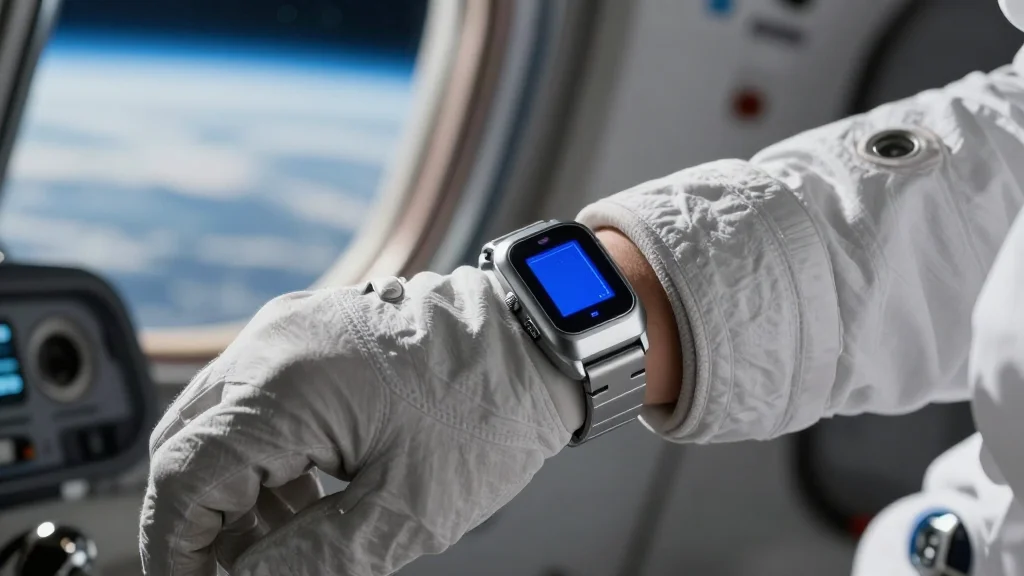
Wristwatch-Like Device Enables Assessment of Health Risks for Astronauts on Mission to the Moon
Companies Mentioned

NASA
Why It Matters
Accurate circadian monitoring is critical for mitigating sleep‑related performance risks on long‑duration missions, directly influencing crew safety and mission success. The partnership also showcases Brazil’s emerging space‑tech sector in a high‑visibility NASA program.
Key Takeaways
- •Condor Instruments' actigraph monitors movement, light, temperature, and melanopic exposure.
- •Device helps NASA assess circadian disruption on Artemis 2 crew.
- •Exporting 200‑300 units monthly, the startup serves 40+ countries.
- •Melanopic light data links blue‑cyan exposure to sleep hormone suppression.
- •Real‑time actigraph data will guide design of future deep‑space habitats.
Pulse Analysis
The actigraph’s sensor suite—accelerometers, multi‑band light detectors, and a skin‑temperature probe—provides a granular view of an astronaut’s biological clock. In microgravity, the absence of Earth’s 24‑hour light‑dark rhythm can desynchronize circadian rhythms, leading to sleep deprivation, reduced alertness, and impaired motor skills. By logging arm movement, ambient light spectra, and temperature fluctuations, the device translates raw data into actionable sleep‑quality metrics, allowing NASA to correlate physiological stress with mission events and to test countermeasures such as tailored lighting schedules.
Beyond the immediate mission, the actigraph illustrates how a small‑scale Brazilian startup has entered a market traditionally dominated by large U.S. and European firms. Condor Instruments now ships 200‑300 units each month to more than 40 countries, serving universities, hospitals, and research labs. Its ability to measure melanopic light—a key driver of melatonin suppression—has attracted interest from sleep‑medicine researchers and consumer‑tech companies seeking to mitigate blue‑light exposure. This commercial traction underscores the growing global ecosystem of wearable health tech that can be repurposed for extreme environments.
Looking ahead, data harvested from Artemis 2 will inform the design of habitats for the 2028 lunar south‑pole landing and eventual Mars missions. Insights into how light timing, temperature shifts, and activity patterns affect crew performance will shape lighting architecture, sleep‑station layouts, and autonomous health‑monitoring protocols. As NASA and its commercial partners prioritize crew health for multi‑year voyages, real‑time actigraphy could become a standard safety instrument, driving a new wave of investment in wearable biosensors across the aerospace sector.
Wristwatch-like device enables assessment of health risks for astronauts on mission to the moon
Comments
Want to join the conversation?
Loading comments...