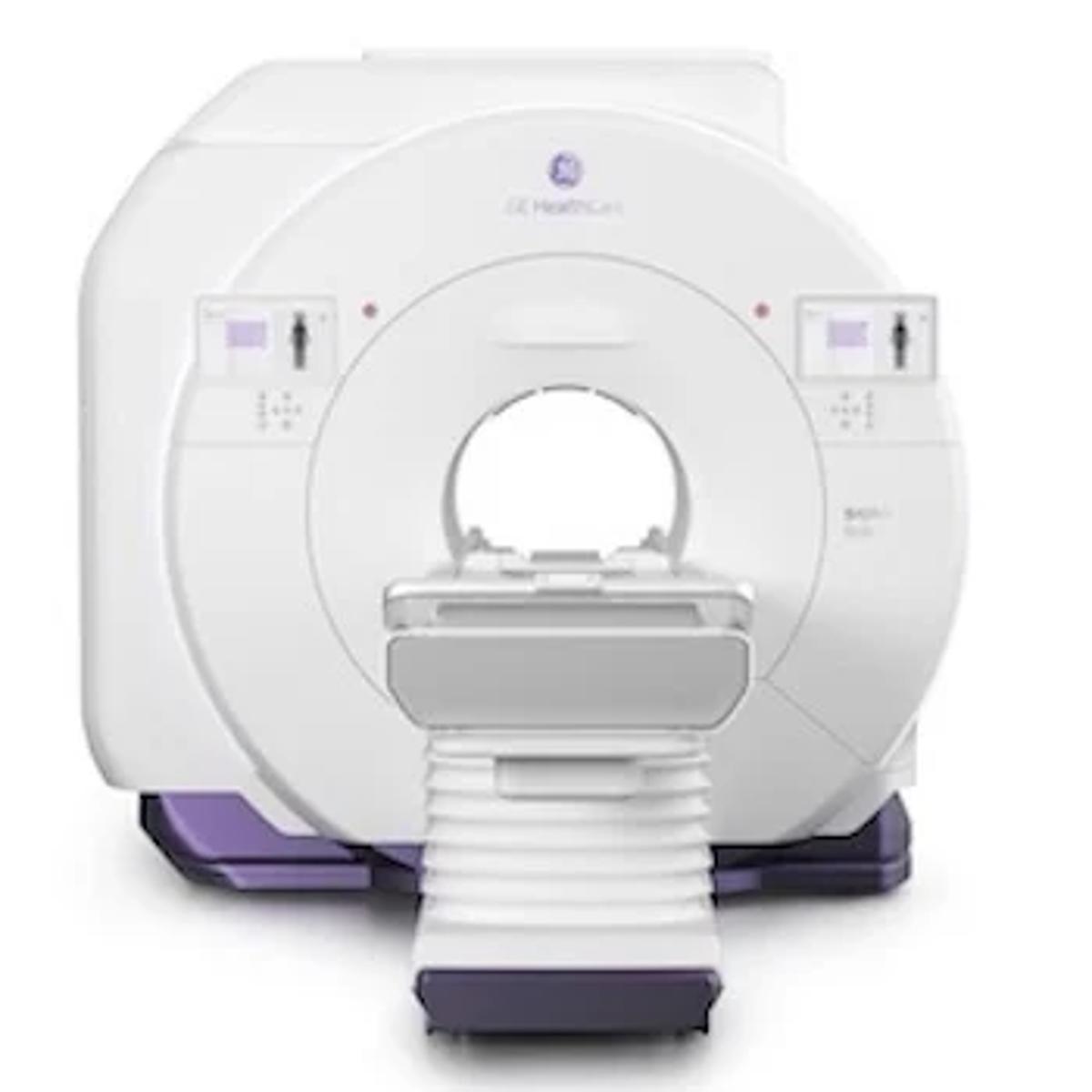
GE HealthCare Showcases AI-Powered MRI Technologies
Why It Matters
By cutting scan duration and energy use, GE’s AI‑enhanced MRI suite can boost patient throughput while lowering hospital expenses, accelerating the translation of research findings into clinical care.
Key Takeaways
- •SIGNA One AI workflow cuts MRI scan time up to 85%
- •Sonic DL pending FDA 510(k) will accelerate 2D MR exams
- •SIGNA Sprint uses helium‑free tech, reducing energy use
- •New MAGNUS head‑only scanner installed at KCL and West China
- •AIR Recon DL adds ZTE and low‑noise imaging capabilities
Pulse Analysis
Artificial intelligence is reshaping magnetic resonance imaging, and GE HealthCare is leveraging that shift at the ISMRM 2026 meeting. The company unveiled its next‑generation SIGNA platform, which bundles deep‑learning reconstruction, AI‑guided workflows and cloud‑based collaboration tools. By embedding these capabilities into both high‑field 3 T systems and the helium‑free SIGNA Sprint, GE aims to shorten exam times, boost image quality and lower operating costs. This move aligns with a broader industry push toward faster, more affordable scans that can keep pace with rising demand for advanced diagnostics.
The headline technical advance is Sonic DL, now pending FDA 510(k) clearance for 2‑D imaging, promising up to an 85 % reduction in scan duration across most routine exams. Coupled with AIR Recon DL’s new support for zero‑echo‑time (ZTE) and the ultra‑quiet Silenz mode, the platform delivers CT‑like bone detail without ionizing radiation and quieter patient experiences. SIGNA One’s one‑click switch between clinical and research modes simplifies protocol deployment, while the helium‑free Freelium magnet in SIGNA Sprint cuts helium consumption to under 1 %, reinforcing GE’s sustainability agenda.
Beyond hardware, GE is expanding its research ecosystem with SIGMA Studio and the MAGNUS head‑only prototype now operating at King’s College London and West China Hospital. These installations give neuroscientists access to high‑resolution diffusion and functional imaging powered by the same AI stack, accelerating translational studies in Alzheimer’s and other neurodegenerative diseases. As competitors such as Siemens Healthineers and Philips roll out their own AI‑enhanced MR solutions, GE’s integrated hardware‑software approach and emphasis on energy efficiency could become a differentiator in both academic and commercial markets.
GE HealthCare Showcases AI-Powered MRI Technologies
Comments
Want to join the conversation?
Loading comments...