New Coronary IVL Tech From Boston Scientific Impresses in First-in-Human Study
Companies Mentioned
Why It Matters
The study suggests a safer, more effective IVL option for complex coronary PCI, potentially reshaping calcified lesion treatment and expanding Boston Scientific’s market share in high‑margin cardiac devices.
Key Takeaways
- •Seismiq IVL catheter achieved 97.4% device success in 41 patients
- •30‑day major adverse event freedom reached 90.2%
- •Laser‑based IVL avoids copper‑wire variability and electromagnetic noise
- •FRACTURE trial will evaluate larger patient cohort for coronary IVL
Pulse Analysis
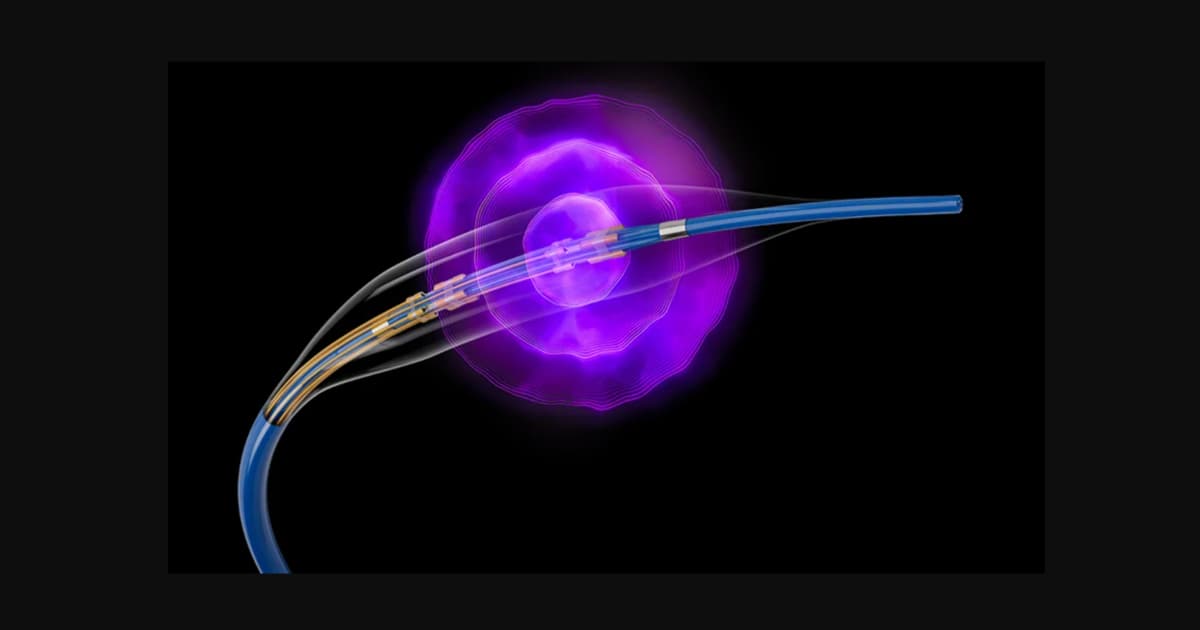
Boston Scientific’s entry into intravascular lithotripsy (IVL) began with the 2025 acquisition of Bolt Medical, positioning the company to extend its peripheral‑artery IVL platform into the coronary arena. The newly reported Seismiq 4CE Coronary IVL Catheter uses laser‑driven acoustic pressure waves to fracture calcified plaque, a technique previously limited to peripheral vessels. 4 % device‑success rate and delivered a median of 120 pulses per lesion, suggesting feasibility for routine percutaneous coronary intervention (PCI).
5 %, with the only failures linked to periprocedural myocardial infarctions. Researchers highlighted the optical‑fiber and tungsten‑emitter design as a key differentiator from traditional copper‑wire, arc‑discharge IVL systems, which can suffer pulse‑to‑pulse variability and generate electromagnetic interference that may affect cardiac conduction. By producing a uniform eight‑emitter energy field, Seismiq may more reliably fracture both concentric and eccentric calcium, potentially improving stent expansion and long‑term vessel patency.
Although the catheter is not yet FDA‑cleared for coronary use, its investigational availability in the United States paves the way for the upcoming FRACTURE trial, a larger, multicenter study designed to confirm efficacy and safety in a broader population. Success could expand Boston Scientific’s IVL portfolio and challenge competitors such as Shockwave Medical, which relies on copper‑wire technology. For interventional cardiologists, a laser‑based IVL option may reduce procedural complications and shorten case times, while investors may view the pending approval as a catalyst for revenue growth in the high‑margin coronary device market.
New coronary IVL tech from Boston Scientific impresses in first-in-human study
Comments
Want to join the conversation?
Loading comments...